x


 Ordina la riproduzione Acquista download
 Invia
Invia
 Dettagli opera
 Aggiungi ai preferiti
 Scarica
 Simili
 Radiografia
 Slideshow
Stampa giclée o su tela di qualità museale, con produzione rapida e diverse opzioni di finitura.





























Scegli tra le nostre dimensioni predefinite, che rispettano le proporzioni originali dell'opera d'arte.

È possibile inserire dimensioni personalizzate per adattare l'opera a una cornice o a uno spazio specifico. Se la dimensione selezionata non corrisponde alle proporzioni dell'immagine originale, procederemo al ritaglio dell'opera o all'estensione dell'immagine con un bordo specchiato o a tinta unita. Un mockup digitale ti verrà inviato per approvazione prima dell'inizio della produzione.
Si prega di notare che l'anteprima a schermo non riflette il ritaglio o l'estensione effettivi. Solo il mockup mostrerà accuratamente la composizione finale.
Sebbene siano disponibili dimensioni personalizzate, si raccomanda di selezionare una dimensione dall'elenco predefinito per preservare le proporzioni originali.
Consegna in tutto il mondo () in 2 settimane invece delle normali 4/5 settimane. (23 Luglio)


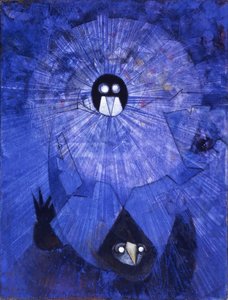
untitled (9522)
Dimensioni riproduzione
Max Ernst's "Untitled (9522)" is more than just a depiction of a beach scene; it’s an immersion into the subconscious, a meticulously crafted exploration of the surreal. Painted in 1943, during a period of intense artistic experimentation for the German-born artist, this work exemplifies Ernst’s core approach to Surrealism – not simply mimicking dreams, but actively constructing them through a deliberate process of association and disruption.
Understanding “Untitled (9522)” requires acknowledging the profound intellectual currents that shaped Max Ernst’s artistic vision. Born in 1891 in Brühl, Germany, Ernst was a voracious reader and student of philosophy, psychology, and art history – disciplines he pursued with an almost obsessive intensity. His academic background at Bonn University, where he studied under figures like Freud and Jung, profoundly influenced his approach to art. He wasn’t interested in merely representing the external world; instead, he sought to unlock the hidden realities residing within the human psyche. This pursuit led him to explore automatism – a technique of spontaneous creation without conscious control – as a means of accessing the unconscious mind.
The painting’s symbolism is deliberately ambiguous, inviting multiple interpretations. The birds, frequently associated with freedom and spirituality in art history, here seem trapped within their flight, perhaps reflecting the anxieties of wartime Europe. The shell, a recurring motif in Ernst's work, can be seen as representing both fragility and the remnants of the past. The beach itself – a liminal space between land and sea – further amplifies this sense of unease and transition. Ernst’s intention was to evoke a feeling of disorientation and psychological tension, prompting viewers to confront their own subconscious fears and desires.
"Untitled (9522)" was created during World War II, a period of immense upheaval and uncertainty. This context undoubtedly informs the painting’s unsettling atmosphere. Max Ernst’s work, particularly during this time, became increasingly preoccupied with themes of displacement, loss, and the fragility of human existence. His contribution to Surrealism extended beyond mere aesthetic experimentation; he was a pioneer in challenging conventional notions of reality and exploring the darker recesses of the human mind. His influence continues to resonate within contemporary art, solidifying his position as one of the 20th century’s most innovative and enduring artists.

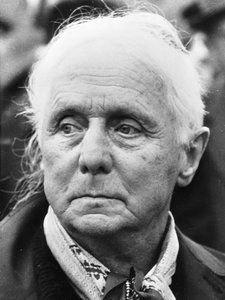
1891 - 1976 , Germania

Esplora i 10 capolavori dell'Espressionismo Surrealista con Most-Famous-Paintings.com! Scopri Salvador Dalí, Magritte e altri maestri: storia, tecnica e significato di opere iconiche per decorazioni uniche. Esplora la collezione online.

Scopri l'eleganza senza tempo dell'arte vintage con . Riproduzioni di alta qualità, personalizzazioni uniche e consulenza esperta per arredare la tua casa con stile e valore.
Esplora i 25 capolavori di Max Ernst, pioniere del Surrealismo. Scopri la storia, le tecniche e il simbolismo dietro ogni opera iconica. Trova riproduzioni arte su tela di alta qualità per decorare casa con Most-Famous-Paintings.com.

Explore the captivating world of Surrealism with Most-Famous-Paintings. Discover its origins, key artists like Dalí & Ernst, and enduring influence on art history. High-quality reproductions available.

Esplora i 10 capolavori del Surrealismo con Most-Famous-Paintings. Scopri le storie di Dalí, Magritte e Miró, il significato dei loro colori e tecniche uniche. Trova riproduzioni d'arte di alta qualità per la tua casa! Esplora la collezione online su Most-Famous-Paintings.com


Rimani aggiornato sulle ultime novità dell'arte, sulle offerte esclusive e sulle idee di decorazione.
Raccontaci del tuo progetto e i nostri esperti d'arte ti proporranno 3 suggerimenti artistici personalizzati.
Lascia che ci pensiamo noi: 3 opzioni su misura per te – Gratis!


 Condividi


 Scopri di più







 L'opzione vetro è disponibile solo per dimensioni inferiori a 110 cm