
Vendi la tua arte
Lista dei desideri Carrello acquisti Cart
Anteprima in scala realeAnteprima in scala reale Anteprima in ARAnteprima in AR Ordina stampa Ordina stampaOrdina la riproduzione dipinta a mano Ordina la riproduzione dipinta a mano CondividiCondividi
DettagliDettagli Aggiungi ai preferiti Aggiungi ai preferiti Scarica immagineScarica immagine Articoli similiArticoli simili RadiografiaRadiografia SlideshowSlideshow

St Jerome

Experience the profound beauty of Hans Memling’s ‘St Jerome’! This iconic Northern Renaissance masterpiece showcases exquisite detail and spiritual devotion, depicting the saint's pilgrimage with luminous oil paint and symbolic richness.

Scopri il Diptych of Jean de Cellier di Hans Memling, un capolavoro del Rinascimento nordico custodito al Louvre! Ammira i dettagli della scena religiosa e lasciati ispirare dalla maestria artistica.

Acquista un'immagine digitale ad alta risoluzione e ottimizzata, di qualità nettamente superiore all'anteprima online.

Ogni file è meticolosamente preparato dai nostri specialisti interni attraverso l'uso di strumenti avanzati e un sapiente ritocco manuale. Garantiamo che ogni immagine presenti una chiarezza eccezionale, una precisione cromatica impeccabile e dettagli raffinati.

Il file finale viene consegnato via e-mail entro 72 ore, ottimizzato per un uso immediato in contesti professionali, editoriali e di stampa. Si tratta della stessa qualità affidata ai più prestigiosi studi di design, editori e gallerie d'arte.

Immagine Digitale

Scarica un file ad alta risoluzione per uso personale, per la stampa e per progetti creativi. (Ordina stampa Ordina stampaOrdina la riproduzione dipinta a mano Ordina la riproduzione dipinta a mano)

Prezzo finale

$ 24,90

Incluso in ogni acquisto di immagini digitali

Consegna digitale professionale e garantita

Quando scegli Most-Famous-Paintings.com, non riceverai solo un'immagine: riceverai un'opera d'arte digitale professionalmente ottimizzata, realizzata con la massima precisione e accompagnata da una garanzia di soddisfazione. Ecco tutto ciò che include il tuo ordine, automaticamente:

shipping_icon
Consegna rapida via email

Riceverai il file dell'immagine digitale ad alta risoluzione via email entro 72 ore dall'ordine, pronto per un uso immediato.

canvas_icon
File digitale potenziato dall'IA

La tua opera d'arte viene ottimizzata professionalmente attraverso l'uso di strumenti avanzati di intelligenza artificiale e una revisione manuale, garantendo il massimo livello di dettaglio, nitidezza e accuratezza cromatica.

insurance_icon
Riconsegna gratuita a vita

Hai eliminato o perso accidentalmente il tuo file? Non preoccuparti: te lo invieremo di nuovo in qualsiasi momento, gratuitamente.

tax_icon
Nessun costo di importazione, mai

Goditi la tua opera d'arte istantaneamente senza costi doganali, dazi o spese di spedizione: i download digitali sono sempre esenti da tasse.

color_icon
Garanzia di fedeltà cromatica

Garantiamo che la tua immagine digitale rifletta i colori originali con la massima fedeltà, grazie all'uso di strumenti professionali e a una gestione accurata del colore.

return_icon
Garanzia soddisfazione 60 giorni

Se non sei soddisfatto della tua immagine digitale, la revisioneremo o ti rimborseremo il 100% entro 60 giorni, senza domande.

guarantee_icon
Garanzia di rimborso al 100%

Non sei soddisfatto? Ricevi un rimborso completo entro 60 giorni dal ricevimento del tuo file digitale, senza dover fornire spiegazioni.

discount_icon
Sconti per ordini multipli

Acquista 3 immagini, risparmia il 10% - Acquista 5, risparmia il 15% - Acquista 10+, risparmia il 20%. Ideale per progetti creativi, gallerie e agenzie.

Dettagli rapidi

  • Subject or theme: Religious devotion
  • Year: 1485
  • Dimensions: 88 x 52 cm
  • Influences: Rogier van der Weyden
  • Movement: Northern Renaissance
  • Title: St Jerome
  • Medium: Oil on oak

Quiz d'arte

Per ogni domanda è presente una sola risposta corretta.

Domanda 1:
What artistic movement is Hans Memling’s ‘St. Jerome’ considered to be?
Domanda 2:
The painting depicts St. Jerome kneeling before what symbol of faith?
Domanda 3:
What material was used to create ‘St. Jerome’?
Domanda 4:
The rocky landscape in the background contributes to what aspect of the artwork?
Domanda 5:
What is notable about Memling’s technique in ‘St. Jerome’?

Descrizione del collezionabile

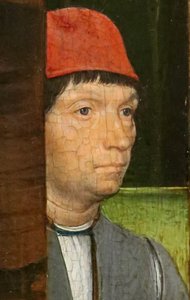
Hans Memling’s St Jerome: A Testament to Faith and Detail

Hans Memling’s “St Jerome,” completed in 1490 during the height of the Northern Renaissance, transcends mere depiction; it embodies a profound meditation on piety and artistic mastery. Created in Bruges, Belgium—a city renowned for its burgeoning art scene under Burgundian patronage—this painting exemplifies the meticulous observation of nature and humanist ideals that defined the era.

Style & Technique: Memling’s approach aligns seamlessly with the prevailing stylistic trends of his time. He skillfully employs oil paint on oak, achieving unparalleled luminosity and textural richness. The artist meticulously renders the rocky landscape—a deliberate choice reflecting the spiritual pilgrimage undertaken by St. Jerome—with painstaking detail, capturing subtle variations in stone color and surface roughness. This technique underscores Memling’s commitment to realism, mirroring the humanist fascination with accurately representing the natural world.

Historical Context: The painting emerged during a period of significant intellectual and artistic ferment. The Renaissance spirit permeated Europe, fostering an interest in classical ideals alongside burgeoning scientific inquiry. Memling's workshop benefited immensely from this cultural dynamism, producing numerous commissions that showcased innovative artistic approaches. St. Jerome’s iconography—often portrayed as a hermit wrestling with demons—carried considerable symbolic weight within Christian tradition, representing asceticism and spiritual struggle.

Symbolism & Composition: The central figure of St. Jerome is positioned before a crucifix, symbolizing his unwavering devotion to Christ. His posture conveys humility and earnest prayer, while the lion beneath him symbolizes courage and dominion over temptation—a recurring motif in biblical narratives. Memling’s compositional choices contribute to the painting's dramatic impact, utilizing perspective to create depth and layering textures to heighten visual interest. The muted palette—dominated by earthy tones—enhances the solemn atmosphere of the scene.

Emotional Impact: “St Jerome” resonates deeply with viewers through its evocative portrayal of spiritual contemplation. Memling’s masterful execution captures not only the physical appearance of St. Jerome but also his inner turmoil and unwavering faith. The painting serves as a powerful reminder of humanity's capacity for introspection and devotion—a timeless testament to artistic excellence and enduring religious symbolism.

  • Artist: Hans Memling
  • Year Created: 1490
  • Medium: Oil on Oak
  • Location: Kunstmuseum Basel, Switzerland
  • Style: Northern Renaissance

This artwork is a remarkable achievement of artistic craftsmanship and spiritual expression—a piece that continues to inspire admiration for its beauty and insight.

Biografia dell'artista

Hans Memling: The Bruges Master of Detail and Patronage

Hans Memling (c. 1430 – August 11, 1494), born in Seligenstadt, Germany, stands as a pivotal figure in Early Netherlandish painting—a movement characterized by exquisite realism, meticulous observation of nature, and profound spiritual contemplation. Though his formative years were spent primarily within the Rhineland’s artistic milieu, Memling's trajectory ultimately led him to Bruges, Belgium, where he established himself as one of the foremost artists of his time and cultivated a prolific workshop that disseminated his distinctive style across Europe. His early life remains shrouded in mystery, but biographical accounts suggest he emerged from Mainz around 1430. His artistic education commenced under the tutelage of Rogier van der Weyden, a titan of Flemish painting whose mastery of oil paint and sculptural modeling profoundly shaped Memling's technique. This apprenticeship instilled in him an unwavering dedication to detail—a hallmark that would define his oeuvre. Van der Weyden’s influence is palpable in Memling’s meticulous rendering of drapery folds and the subtle shading techniques he employed, demonstrating a shared commitment to capturing the nuances of human form and texture.

Bruges & The Workshop: A Hub for Artistic Innovation

By 1465, Memling secured citizenship in Bruges, a burgeoning commercial hub and artistic epicenter—a city renowned for its patronage of the arts and its vibrant mercantile spirit. Recognizing the potential for collaborative creativity, he founded a workshop staffed by numerous assistants, fostering an environment of innovation and stylistic consistency. This workshop became internationally celebrated for producing stunning reproductions of masterpieces—a testament to Memling’s skill as both artist and pedagogue. He meticulously oversaw every aspect of production, ensuring that each painting adhered to his exacting standards of craftsmanship and artistic vision. The workshop's output included altarpieces, portraits, and decorative panels—all bearing the unmistakable stamp of Memling’s distinctive style.

A Style Defined by Precision & Patronage

Memling’s artistic style is instantly recognizable: characterized by luminous color palettes, delicately rendered drapery folds, and an astonishing level of anatomical accuracy. He meticulously studied human anatomy—drawing inspiration from classical sculpture—to achieve unparalleled realism in his portraits and religious scenes alike. Unlike many contemporaries who favored expressive brushstrokes, Memling prioritized meticulous observation and painstaking execution, resulting in images imbued with serene beauty and profound spiritual depth. His approach mirrored the humanist ideals prevalent during the Renaissance, reflecting a belief in the importance of rational inquiry and artistic representation as vehicles for conveying moral truths. The artist’s palette favoured rich hues—particularly reds and blues—creating dramatic contrasts that heightened visual impact.

Notable Works & Artistic Achievements

Memling's most enduring legacy resides in his monumental fresco “The Last Judgment” at St John’s Hospital in Bruges—a masterpiece of composition, color theory, and psychological drama. Executed with breathtaking precision and imbued with a palpable sense of solemnity, the fresco exemplifies Memling’s mastery of artistic technique and his ability to communicate complex theological concepts through visual imagery. Alongside “The Last Judgment,” Memling produced numerous iconic paintings including “Cristo Circondato da Angeli Musicisti” and “L'adorazione dei Magi”, demonstrating his versatility as an artist and cementing his reputation as one of the foremost figures of Early Netherlandish painting. These works continue to inspire awe and admiration for their artistic beauty and spiritual significance.

Influence & Legacy: Shaping Flemish Renaissance Art

Memling’s influence extended far beyond his own lifetime, shaping the trajectory of Flemish Renaissance art and inspiring subsequent generations of artists—particularly Quentin Massys, who established the Antwerp School—solidifying Memling's position as a cornerstone of Flemish artistic heritage. His unwavering dedication to detail and profound understanding of human psychology remain remarkably relevant in our contemporary appreciation of art history, ensuring that Hans Memling’s name will forever be associated with excellence, innovation, and enduring beauty.
Hans Memling

Hans Memling

Germania

In breve

  • Artistic Movement Or Style: Pittura fiamminga antica
  • Artists Who Influenced This Artist: ['Rogier van der Weyden']
  • Date Of Birth: c. 1430
  • Date Of Death: 11 agosto 1494
  • Full Name: Hans Memling
  • Nationality: Germano-Fiammingo
  • Notable Artworks:
    • St Johns Hospital
    • L'ultima giudicatura
    • Scene dalla Passione
  • Place Of Birth: Seligenstadt, Germania

