x

Acquista un'immagine digitale ad alta risoluzione e ottimizzata, di qualità nettamente superiore all'anteprima online.
Ogni file è meticolosamente preparato dai nostri specialisti interni attraverso l'uso di strumenti avanzati e un sapiente ritocco manuale. Garantiamo che ogni immagine presenti una chiarezza eccezionale, una precisione cromatica impeccabile e dettagli raffinati.
Il file finale viene consegnato via e-mail entro 72 ore, ottimizzato per un uso immediato in contesti professionali, editoriali e di stampa. Si tratta della stessa qualità affidata ai più prestigiosi studi di design, editori e gallerie d'arte.
Scarica un file ad alta risoluzione per uso personale, per la stampa e per progetti creativi. ( Ordina stampa Ordina la riproduzione dipinta a mano)
Quando scegli Most-Famous-Paintings.com, non riceverai solo un'immagine: riceverai un'opera d'arte digitale professionalmente ottimizzata, realizzata con la massima precisione e accompagnata da una garanzia di soddisfazione. Ecco tutto ciò che include il tuo ordine, automaticamente:

Riceverai il file dell'immagine digitale ad alta risoluzione via email entro 72 ore dall'ordine, pronto per un uso immediato.

La tua opera d'arte viene ottimizzata professionalmente attraverso l'uso di strumenti avanzati di intelligenza artificiale e una revisione manuale, garantendo il massimo livello di dettaglio, nitidezza e accuratezza cromatica.

Hai eliminato o perso accidentalmente il tuo file? Non preoccuparti: te lo invieremo di nuovo in qualsiasi momento, gratuitamente.

Goditi la tua opera d'arte istantaneamente senza costi doganali, dazi o spese di spedizione: i download digitali sono sempre esenti da tasse.

Garantiamo che la tua immagine digitale rifletta i colori originali con la massima fedeltà, grazie all'uso di strumenti professionali e a una gestione accurata del colore.

Se non sei soddisfatto della tua immagine digitale, la revisioneremo o ti rimborseremo il 100% entro 60 giorni, senza domande.

Non sei soddisfatto? Ricevi un rimborso completo entro 60 giorni dal ricevimento del tuo file digitale, senza dover fornire spiegazioni.

Acquista 3 immagini, risparmia il 10% - Acquista 5, risparmia il 15% - Acquista 10+, risparmia il 20%. Ideale per progetti creativi, gallerie e agenzie.
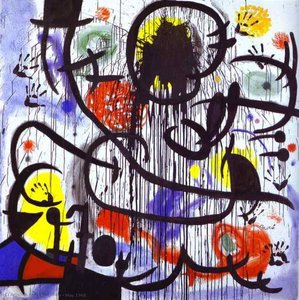
To stand before this depiction is to be enveloped by a vibrant, almost palpable wave of sound. The composition centers around an array of musical instruments—a gleaming guitar taking precedence, flanked by the elegant curve of a violin and the assertive flare of a trumpet. These are not mere objects arranged for display; they are captured moments of potential energy, frozen mid-performance. The artist has masterfully orchestrated these elements, scattering them across the canvas as if caught in the joyful chaos of a bustling street festival or an intimate, electrifying gathering. One can almost hear the interplay between the plucked strings, the soaring notes of the brass, and the rich tones emanating from the wood.
Beyond the gleaming hardware of the instruments, the painting pulses with life through its human element. Several figures populate the scene, their presence suggesting a community united by rhythm and melody. Whether they are musicians deeply engrossed in their craft or an audience captivated by the spectacle, each person contributes to the overall narrative tapestry. The artist’s skill lies in rendering this dynamic interaction—the proximity of some figures to the central guitar suggests intimacy and focus, while others recede into the background, adding depth and scope to the lively tableau. It is a celebration not just of music, but of human connection forged through shared artistic experience.
The technique employed here speaks to a masterful handling of texture and light. The way the artist has rendered the polished wood of the instruments contrasts beautifully with the implied movement in the crowd and the suggestion of an open, perhaps even burning, landscape hinted at by the title. This juxtaposition—the permanence of crafted objects against the ephemeral nature of sound and emotion—lends the piece a profound emotional resonance. It is energetic without being frantic; it is dramatic yet deeply soulful. For collectors and designers alike, this work offers an immediate infusion of warmth and cultured vibrancy into any space.
The collection of instruments itself carries rich symbolism. Music has always been a universal language, capable of articulating joys too grand for words and sorrows too deep for speech. Here, the confluence of various forms—the plucked string, the bowed resonance, the blown note—suggests the multifaceted nature of human experience. The title, Burning Landscape, adds an intriguing layer; perhaps the passion of the music itself is what ignites the scene, transforming a mere gathering into something incandescent and unforgettable. It speaks to the enduring, vital spirit found at the heart of creative endeavor.
Reproducing this artwork allows one to curate an atmosphere of perpetual celebration within the sanctuary of their own home or studio. Its dynamic composition ensures that it functions beautifully as a focal point, drawing the eye into its rich narrative depth. Whether paired with deep jewel tones or kept against a more neutral backdrop, the inherent energy captured by Paul Jackson Pollock’s vision promises to elevate any interior design scheme, transforming a room from merely decorated to truly inspired.

Paul Jackson Pollock, born in Cody, Wyoming, in 1912, was a restless spirit from the outset. His early life was marked by frequent relocation as his father pursued work as a land surveyor across the vast landscapes of the American West. This itinerant existence instilled in young Pollock a deep connection to the natural world and an exposure to diverse cultures, particularly through encounters with Native American art during those surveying trips – impressions that would subtly permeate his artistic vision later in life.
Pollock’s formal artistic training began at the Manual Arts High School in Los Angeles, followed by studies at the Art Students League of New York under the tutelage of Thomas Hart Benton. Benton, a prominent figure in the Regionalist movement, emphasized rhythmic composition and narrative themes rooted in American life. While Pollock initially absorbed these lessons, his inherent inclination leaned toward more abstract explorations. He was also profoundly impacted by Mexican muralists like José Clemente Orozco, whose powerful depictions of social struggle resonated deeply with him. These early influences laid a foundation, but it was the burgeoning world of Surrealism that truly unlocked Pollock’s artistic potential.
The 1930s saw Pollock experimenting with various techniques, seeking alternatives to traditional brushwork. He began pouring paint, exploring its fluidity and unpredictable nature. However, it was around 1947 that his artistic trajectory underwent a radical transformation. Abandoning the easel altogether, Pollock laid canvases directly on the floor, initiating what would become known as his “drip painting” technique.
This wasn’t merely about applying paint; it was about embodying the act of creation itself. Pollock's canvases became arenas for physical expression, capturing the immediacy of his gestures and emotions. The resulting paintings are characterized by their “all-over” composition – a lack of central focus that invites the viewer to explore the entire surface as a unified field of energy. Intricate networks of lines and colors intertwine, creating a visual complexity that is both captivating and challenging. He employed unconventional tools—sticks, knives, even syringes—to manipulate the paint in unpredictable ways, further emphasizing the spontaneous nature of his process.
This innovative approach positioned Pollock as a central figure in the burgeoning Abstract Expressionist movement, which emerged in post-World War II New York City. Abstract Expressionism prioritized spontaneous gesture, large scale, and non-representational imagery, reflecting a broader cultural shift away from traditional artistic conventions. His marriage to fellow artist Lee Krasner was also pivotal; she provided unwavering emotional support and actively encouraged his artistic development, recognizing the groundbreaking nature of his work.
Pollock’s most celebrated works—such as Number 1, 1950 (Lavender Mist), One: Number 31, 1950, Blue Poles: Number 11, 1952, and Convergence—are testaments to his revolutionary technique. These paintings are not simply images; they are records of a performance, imbued with the artist’s physical presence and emotional intensity. The dynamic energy that emanates from these canvases is palpable, drawing viewers into a world of pure abstraction.
His style transcends mere aesthetics; it's an exploration of process over product. Pollock sought to capture the immediacy of his actions and emotions on canvas, rejecting traditional notions of composition and representation. He delved into Jungian psychology, exploring archetypes and the subconscious in his art, seeking to tap into universal symbols and primal energies.
Pollock’s impact on the history of art is immeasurable. He fundamentally altered the way artists approached painting, breaking free from easel-based methods and embracing a more performative approach. His work helped solidify New York City's position as a global center for modern art, shifting the focus away from European dominance. His influence can be seen in the work of countless artists who followed, including those associated with Color Field painting and later forms of abstract expressionism.
Though initially met with mixed reviews—some critics dismissed his work as chaotic or lacking skill—Pollock’s reputation grew steadily after his untimely death in 1956 at the age of 44. Today, he is universally recognized as one of the most important and influential artists of the 20th century, a visionary who dared to challenge conventions and redefine the boundaries of artistic expression.

1912 - 1956 , Stati Uniti d'America


Rimani aggiornato sulle ultime novità dell'arte, sulle offerte esclusive e sulle idee di decorazione.
Raccontaci del tuo progetto e i nostri esperti d'arte ti proporranno 3 suggerimenti artistici personalizzati.
Lascia che creiamo per te una selezione di 3 opzioni su misura – Gratis!


 Anteprima in scala reale
 Condividi
 Condividi
 Dettagli

 Scarica immagine
 Articoli simili
 Radiografia
 Slideshow
 Leggi tutto