


x
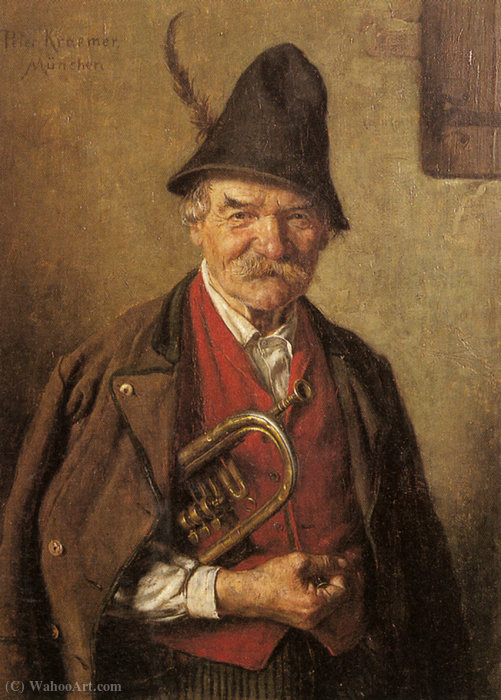
Olio su tela dipinto a mano nelle tue dimensioni e con la tua cornice, realizzato su ordinazione dai nostri artisti. ( Acquista stampa Acquista immagine)





























Scegli tra le nostre dimensioni predefinite, che rispettano le proporzioni originali dell'opera d'arte.

È possibile inserire dimensioni personalizzate per adattare l'opera a una cornice o a uno spazio specifico. Se la dimensione selezionata non corrisponde alle proporzioni dell'immagine originale, provvederemo a ritagliare l'opera o a estendere il dipinto con elementi aggiuntivi dipinti a mano. Un mockup digitale ti sarà inviato per approvazione prima dell'inizio della produzione.
Si prega di notare che l'anteprima a schermo non riflette il ritaglio o l'estensione effettivi. Solo il mockup mostrerà accuratamente la composizione finale.
Sebbene siano disponibili dimensioni personalizzate, consigliamo di selezionare una dimensione dall'elenco predefinito per preservare le proporzioni originali.
Consegna in tutto il mondo () in 3/4 settimane anziché nelle normali 5 settimane. (25 Agosto). Nessun compromesso sulla qualità.


Tyrolean musicians
Dimensioni riproduzione

Born in Zweibrücken, Germany, in 1857, Peter Kraemer II emerged from a lineage deeply rooted in the artistic traditions of Bavaria. His family’s history was interwoven with creativity; his father, Peter Krämer I, distinguished himself as an artist, notably for his depictions of the American Liberation War, and had studied under Julius Schnorr von Carolsfeld – a renowned figure in German Romanticism. This familial connection to art provided Kraemer II with an invaluable foundation, immersing him from a young age in the techniques and sensibilities of painting. While details about his early formal training remain somewhat sparse, it’s clear that he absorbed a profound appreciation for visual storytelling and the expressive potential of color and form.
Kraemer's artistic journey began during a period of significant social and cultural change in Germany. The late 19th century witnessed a resurgence of interest in regional identity and folklore, fueled by nationalist sentiments and a desire to preserve traditional crafts and customs. This context profoundly shaped Kraemer’s subject matter – he chose to capture the essence of Bavarian life, particularly its rural landscapes and the lives of its people.
Kraemer II quickly established himself as a master of genre painting, specializing in scenes that offered intimate glimpses into the everyday routines and customs of rural Bavaria. Unlike grand historical or mythological subjects favored by many artists of his time, Kraemer focused on the humble realities of peasant life – hunters pausing for rest, musicians gathering in village squares, farmers tending their fields, and elderly men engaged in quiet pursuits. His paintings are not merely depictions; they’re imbued with a palpable sense of authenticity, capturing the weathered faces, worn clothing, and simple joys of his subjects.
Kraemer II's artistic style is characterized by a remarkable blend of realism and sentimentality. He employed a technique that combined meticulous detail with a loose, expressive brushstroke, creating paintings that are both technically proficient and emotionally resonant. His palette was typically muted, dominated by earthy tones – browns, greens, and ochres – reflecting the colors of the Bavarian landscape. He favored watercolor as his primary medium, allowing for delicate washes of color and a sense of atmospheric depth.
Influenced by the Realist movement, Kraemer’s work shares a commitment to depicting everyday life with honesty and sincerity. However, he also incorporated elements of Romanticism – particularly in his use of light and shadow – to evoke a sense of nostalgia and longing for a bygone era. His paintings are not simply records of the past; they're meditations on memory, tradition, and the enduring spirit of the Bavarian people.
Peter Kraemer II enjoyed considerable success during his lifetime, exhibiting his work in galleries throughout Germany and Bavaria. He was particularly well-regarded for his depictions of elderly men, capturing their wisdom, experience, and connection to the land with remarkable sensitivity. His paintings are now held in several collections, including those of the Auktionshaus Stahl in Hamburg, where they continue to be appreciated for their artistic merit and historical significance.
Kraemer’s work offers a valuable window into the cultural landscape of 19th-century Bavaria. Through his paintings, he preserved the traditions, customs, and values of a region that was undergoing rapid social and economic change. His legacy as a master of genre painting endures, reminding us of the beauty and dignity found in the everyday lives of ordinary people.

1857 - 1936

Explore the grandeur of Flemish Baroque art. Uncover the dramatic legacy of Peter Paul Rubens and the mastery of light and color. Discover museum-grade, hand-painted oil reproductions and custom commissions at Most-Famous-Paintings.com—where history meets fine craftsmanship.


Rimani aggiornato sulle ultime novità dell'arte, sulle offerte esclusive e sulle idee di decorazione.
Raccontaci del tuo progetto e i nostri esperti d'arte ti proporranno 3 suggerimenti artistici personalizzati.
Lascia che creiamo per te una selezione di 3 opzioni su misura – Gratis!


 Anteprima in scala reale
 Invia
Invia Condividi
 Dettagli opera

 Scarica immagine
 Simili
 Radiografia
 Slideshow
 Espandi i dettagli







 L'opzione vetro è disponibile solo per dimensioni inferiori a 110 cm


