


x

 Oil On BoardContemporary Abstract
 2011Contemporary
 153.0 x 121.0 cm
 Collezione del Consiglio d'Arte
Olio su tela dipinto a mano nelle tue dimensioni e con la tua cornice, realizzato su ordinazione dai nostri artisti. ( Acquista stampa Acquista immagine)
Scegli tra le nostre dimensioni predefinite, che rispettano le proporzioni originali dell'opera d'arte.

È possibile inserire dimensioni personalizzate per adattare l'opera a una cornice o a uno spazio specifico. Se la dimensione selezionata non corrisponde alle proporzioni dell'immagine originale, provvederemo a ritagliare l'opera o a estendere il dipinto con elementi aggiuntivi dipinti a mano. Un mockup digitale ti sarà inviato per approvazione prima dell'inizio della produzione.
Si prega di notare che l'anteprima a schermo non riflette il ritaglio o l'estensione effettivi. Solo il mockup mostrerà accuratamente la composizione finale.
Sebbene siano disponibili dimensioni personalizzate, consigliamo di selezionare una dimensione dall'elenco predefinito per preservare le proporzioni originali.
Consegna in tutto il mondo () in 3/4 settimane anziché nelle normali 5 settimane. (25 Agosto). Nessun compromesso sulla qualità.


4th degrees communication styles
Dimensioni riproduzione
In the mesmerizing realm of Phillip Macdonell Allen, the boundaries between reality and the subconscious begin to dissolve. His masterpiece, 4th degrees communication styles, serves as a profound gateway into a world where geometry meets hallucination. At first glance, the viewer is greeted by a vibrant, mountainous landscape that pulses with an electric energy. A striking zigzag pattern climbs across the central peak like a celestial staircase, guiding the eye upward through a rhythmic dance of deep blues and radiant yellows. This interplay of color does more than just decorate the canvas; it creates a sense of movement, as if the very earth is breathing and shifting beneath the gaze of the scattered yellow birds that drift through the scene like fragments of sunlight.
The composition possesses a surrealist charm, blending recognizable motifs with an otherworldly logic. A solitary clock rests on the left periphery, while a chair sits quietly near the center, grounding the abstract peaks in a strangely domestic, yet dreamlike, reality. These elements invite the viewer to contemplate the passage of time and the stillness of thought within a vast, kaleidoscopic universe. For the collector or interior designer, this piece offers a captivating focal point that commands attention through its unique visual vocabulary, making it an ideal centerpiece for spaces that value intellectual depth and avant-garde aesthetics.
What truly distinguishes Allen’s work is his masterful command over the physical properties of paint. The technique employed in 4th degrees communication styles transcends traditional flat imagery through a sophisticated use of impasto. Allen often applies thick, sculptural globules of paint to the borders of his works, creating a three-dimensional frame that defies the conventional limits of the canvas. This tactile border acts as a visceral skin, a threshold between the external world of the viewer and the internal, hallucinatory dreamscape contained within the painting. It creates an illusion of perspective where the art seems to simultaneously expand outward into the room and encroach upon the viewer’s personal space.
This heavy, textured approach is balanced by incredibly lucid and delicate brushstrokes within the central imagery. The artist utilizes the graphic properties of oil on board to create a paradox between the raw process of painting and the refined representation of form. This tension between the "waste" of thick, messy paint and the "beauty" of the resulting image is the heartbeat of his style. For those seeking a high-quality reproduction, capturing this specific interplay of light and heavy texture is essential to preserving the emotional weight and the physical presence that Allen’s original works possess.
While the imagery feels contemporary and even psychedelic, it is deeply rooted in historical reverence. The visual language of 4th degrees communication styles draws direct inspiration from the magnificent mosaic ceilings of the Baptistery of San Giovanni in Florence. This connection to Renaissance splendor imbues the abstract forms with a sense of sacred geometry and timelessness. The way the light seems to dance across the blue and yellow pigments mirrors the shimmering effect of ancient gold-ground mosaics, bridging the gap between modern abstraction and classical artistry.
Ultimately, Allen’s work is an exploration of communication—not just between people, but between the seen and the unseen. The painting functions as a visual dialogue between memory, history, and the immediate sensory experience. It is a piece that does not merely sit on a wall; it inhabits a room, offering a window into a meticulously constructed universe of color and light. Whether placed in a sophisticated gallery setting or a curated residential collection, this artwork promises to inspire profound contemplation and provide a lasting sense of wonder.

Phillip Macdonell Allen, born in New York City in 1967, is a contemporary painter whose work occupies a fascinating space between the visceral energy of Abstract Expressionism and a deeply considered engagement with materiality. His canvases are not merely surfaces to be covered with color; they’re layered environments, imbued with a sense of both urgency and quiet contemplation. Allen's trajectory has been shaped by a lineage rooted in artistic legacy – his father, a gifted artist influenced by Hans Hoffman and the first generation of Abstract Expressionists, instilled within him a profound respect for tradition while simultaneously encouraging an exploration of diverse stylistic approaches. This dual inheritance—a grounding in historical painting alongside a willingness to experiment—forms the bedrock of Allen’s distinctive visual language.
Early influences extended beyond his father's artistic sphere, encompassing the grandeur and luminosity of 16th-century Venetian masters like Veronese. Allen was captivated by their ability to create a sense of boundless space and solidity simultaneously, a feat he strives to achieve in his own work. He sought to emulate this mastery, not through direct imitation, but through an absorption of techniques and a desire to capture the same emotional weight—a pursuit that led him to meticulously study materials and methods employed by these Renaissance giants. This fascination with the past isn’t merely academic; it informs a present-day practice deeply invested in the physicality of paint itself.
At the heart of Allen’s work lies a profound engagement with the properties of paint. He doesn't simply apply color to a surface; he manipulates it—building up layers, creating textures, and allowing the inherent qualities of the medium to dictate the direction of his process. His canvases are often characterized by thick impasto, irregular drips, and a deliberate resistance to conventional notions of composition. This physicality isn’t arbitrary; it's integral to the meaning he seeks to convey.
Allen’s approach can be described as “material-driven,” prioritizing the tactile experience of painting over pre-conceived ideas about subject matter or form. He frequently employs a technique reminiscent of action painting, but without the overt gestures associated with artists like Pollock. Instead, his movements are more subtle, almost meditative—a careful orchestration of gesture and substance. The resulting surfaces are complex and layered, inviting viewers to engage with them on multiple levels.
Allen’s paintings frequently explore themes of memory, loss, and the ephemeral nature of experience. Titles like “Low Memory” suggest a preoccupation with fragments of recollection—fleeting moments that resist easy categorization or definition. The recurring motif of tears, depicted in muted colors and layered textures, adds another layer of complexity to this thematic landscape. These aren’t simply representations of sadness; they are symbols of vulnerability, loss, and the inherent contradictions within human experience.
Furthermore, Allen's work often incorporates elements of surrealism and dream imagery. The juxtaposition of recognizable forms with unexpected details—such as the cartoon sperm shapes in “Low Memory (Single 2nd Tear Version)” – creates a sense of disorientation and invites viewers to engage in active interpretation. These symbolic resonances are not explicitly stated; they emerge through careful observation and a willingness to embrace ambiguity.
Phillip Macdonell Allen’s work has garnered significant critical attention, with reviews praising his innovative approach to materiality and his ability to evoke complex emotional responses. Critics have noted the influence of both Abstract Expressionism and Venetian painting on his practice, as well as his willingness to challenge conventional notions of representation. His paintings are currently held in collections by prominent figures such as David Ross, Ted Stebbins, Walter Hopps, and others, solidifying his position as a significant contemporary artist.
Allen’s legacy extends beyond the individual artworks he has created. He is also a dedicated educator, sharing his knowledge and expertise with emerging artists through teaching positions at various institutions. His commitment to fostering artistic development ensures that his influence will continue to resonate within the art world for years to come. His work stands as a testament to the enduring power of painting—a medium capable of capturing both the beauty and the complexity of the human experience.

1967 -

Esplora i 10 dipinti più iconici dominati dal blu ardesia! Scopri la storia, gli artisti e le tecniche dietro capolavori impressionisti e moderni. Trova riproduzioni artistiche di alta qualità per decorare casa con .
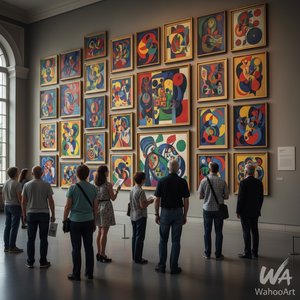
Esplora i 25 capolavori di Wassily Kandinsky, pioniere dell'arte astratta. Scopri la storia, il significato e le tecniche dietro ogni dipinto iconico. Trova riproduzioni d'arte di alta qualità per decorare la tua casa su Most-Famous-Paintings.com.

Esplora i 10 capolavori dell'Espressionismo Astratto con ! Scopri Pollock, Rothko e De Kooning: storia, tecnica e significato di opere iconiche per arredare la tua casa con arte di alta qualità. Esplora la collezione online!
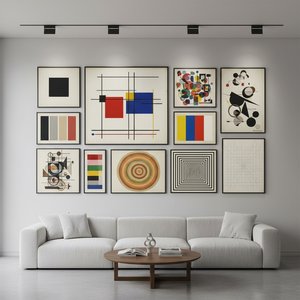
Esplora i 10 capolavori dell'Astrazione Geometrica: Mondrian, Malevich e Kandinsky rivoluzionano l'arte moderna. Scopri la storia, i colori e le tecniche di questi movimenti iconici. Stampe d'arte di alta qualità su Most-Famous-Paintings.com!

Explore the rich history of blue in art! Discover its symbolism, from ancient pigments to modern masterpieces by Kandinsky & Seurat. Uncover the psychological impact and cultural meanings behind this captivating hue.


Rimani aggiornato sulle ultime novità dell'arte, sulle offerte esclusive e sulle idee di decorazione.
Raccontaci del tuo progetto e i nostri esperti d'arte ti proporranno 3 suggerimenti artistici personalizzati.
Lascia che creiamo per te una selezione di 3 opzioni su misura – Gratis!


 Anteprima in scala reale
 Invia
Invia Condividi
 Dettagli opera

 Scarica immagine
 Simili
 Radiografia
 Slideshow
 Espandi i dettagli




































 L'opzione vetro è disponibile solo per dimensioni inferiori a 110 cm


