x

 Oil On CanvasWallArtFrench Baroque
 1640Early Modern
 393.0 x 250.0 cm
 Musée du Louvre
Olio su tela dipinto a mano nelle tue dimensioni e con la tua cornice, realizzato su ordinazione dai nostri artisti. ( Acquista stampa Acquista immagine)





























Scegli tra le nostre dimensioni predefinite, che rispettano le proporzioni originali dell'opera d'arte.

È possibile inserire dimensioni personalizzate per adattare l'opera a una cornice o a uno spazio specifico. Se la dimensione selezionata non corrisponde alle proporzioni dell'immagine originale, provvederemo a ritagliare l'opera o a estendere il dipinto con elementi aggiuntivi dipinti a mano. Un mockup digitale ti sarà inviato per approvazione prima dell'inizio della produzione.
Si prega di notare che l'anteprima a schermo non riflette il ritaglio o l'estensione effettivi. Solo il mockup mostrerà accuratamente la composizione finale.
Sebbene siano disponibili dimensioni personalizzate, consigliamo di selezionare una dimensione dall'elenco predefinito per preservare le proporzioni originali.
Consegna in tutto il mondo () in 3/4 settimane anziché nelle normali 5 settimane. (23 Agosto). Nessun compromesso sulla qualità.


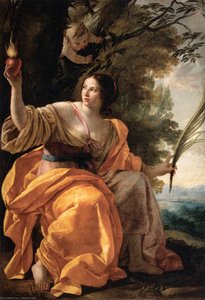
Presentation in the Temple
Dimensioni riproduzione
To stand before this magnificent depiction of Presentation in the Temple is to be enveloped by a palpable sense of sacred drama. The air itself seems thick with reverence, capturing that pivotal moment when the divine narrative unfolds for all to witness. Simon Vouet, masterfully channeling the energy of the Baroque era, has gifted us a scene teeming with life—a vibrant confluence of human emotion and celestial wonder. One cannot help but feel the weight of history and faith pressing down from the richly colored atmosphere surrounding Mary and Jesus as they are presented within the hallowed walls of the temple.
The sheer scale, measuring 393 x 250 cm, commands attention, much like a grand fresco adorning a palazzo wall. Vouet’s handling of light is nothing short of breathtaking; it does not merely illuminate the figures but seems to emanate from the spiritual core of the event itself. Observe the composition: it is a carefully orchestrated ballet of humanity and the supernatural. From the foreground, where intimate exchanges occur, the eye is drawn back through layers of activity—the surrounding observers, engaged in hushed conversation or rapt attention. Above them all, angels drift like luminous thoughts across the upper register, their presence suggesting an unseen, heavenly approval.
Every element within this canvas whispers a story of profound meaning. The gathering itself is rich with symbolic weight; it marks not just a ritual observance but the public acknowledgment of Christ’s divine status. Notice the inclusion of the dog near the bottom left corner—a subtle yet potent detail that often symbolizes fidelity and unwavering devotion, grounding the ethereal drama in tangible loyalty. Vouet populates this scene with at least thirteen figures, each playing a role in the grand tapestry of faith. The interplay between these numerous characters creates a dynamic tension, allowing the viewer to meditate on themes of witness, piety, and divine revelation.
As a pioneer of French Baroque painting, Simon Vouet imbued this work with an emotional intensity that transcends mere depiction. His style moves beyond the cool detachment of earlier periods; here, we feel the warmth of Mary’s concern, the solemnity of the priests, and the awe of the onlookers. The rich palette, characteristic of the period around 1640, utilizes deep jewel tones juxtaposed with brilliant highlights, giving the entire scene a luxurious, almost tactile quality. Owning or displaying a reproduction of this piece is to invite a masterpiece of emotional resonance into your space—a constant reminder of art’s power to elevate the everyday moment into something eternal.

Simon Vouet fu una figura fondamentale nella transizione della pittura francese dal Manierismo allo stile Barocco. Nato in una famiglia di artisti – suo padre Laurent era un pittore e suo fratello Aubin si dedicò anch'egli all’arte – Vouet ricevette una formazione precoce che pose le basi per il suo futuro successo. Suo nipote, Ludovico Dorigny, avrebbe continuato l'eredità artistica della famiglia.
Durante il suo soggiorno italiano, Vouet assorbì una vasta gamma di influenze. Studiò le tecniche di illuminazione drammatica pioniere da Caravaggio, abbracciò elementi del Manierismo italiano e analizzò meticolosamente le palette cromatiche e la tecnica dello sotto in su (prospettiva accorciata) impiegata da Paolo Veronese. Si ispirò anche alle opere di Carracci, Guercino, Lanfranco e Guido Reni, sintetizzando questi diversi stili in una visione artistica unica.
L'eredità di Simon Vouet si fonda sul suo ruolo fondamentale come ponte tra l’arte italiana e quella francese. Importò con successo il dinamismo e la grandiosità del Barocco italiano, trasformandolo in uno stile che risuonava con i gusti della corte e dell'aristocrazia francese. La sua influenza è innegabile nello sviluppo della pittura francese durante il XVII secolo, e i suoi contributi continuano ad essere riconosciuti dagli storici dell’arte oggi.

1590 - 1649 , Francia

Explore the profound elegance of Baroque Classicism. Discover how 17th-century masters synthesized dramatic emotion with classical order through the lens of the Counter-Reformation and the works of legends like Carlo Maratta and Andrea Sacchi.

Explore the dramatic power of Baroque art through an expert guide to light, shadow, and emotion. Discover how the Counter-Reformation shaped 17th-century masterpieces and learn about the profound techniques used by the Old Masters to inspire awe.

Explore the dramatic evolution from Mannerist distortion to Baroque grandeur. Discover how light, shadow, and emotion redefined art history through a masterclass in technical mastery and religious fervor.

Explore the profound differences between Baroque drama and Rococo elegance. Our expert guide delves into art history, chiaroscuro, and the evolution of European masterpieces for collectors and enthusiasts seeking deep historical context.

Explore the profound drama of 17th-century Baroque art. Discover how masters used chiaroscuro, movement, and emotional intensity to redefine history through the lens of the Counter-Reformation. An expert guide for art historians and collectors seeking deep cultural insight.


Rimani aggiornato sulle ultime novità dell'arte, sulle offerte esclusive e sulle idee di decorazione.
Raccontaci del tuo progetto e i nostri esperti d'arte ti proporranno 3 suggerimenti artistici personalizzati.
Lascia che creiamo per te una selezione di 3 opzioni su misura – Gratis!


 Anteprima in scala reale
 Invia
Invia Condividi
 Dettagli opera

 Scarica immagine
 Simili
 Radiografia
 Slideshow
 Espandi i dettagli







 L'opzione vetro è disponibile solo per dimensioni inferiori a 110 cm