x


 Acquista stampa Acquista download
 Invia
Invia
 Dettagli opera
 Aggiungi ai preferiti
 Scarica
 Simili
 Radiografia
 Slideshow
Olio su tela dipinto a mano nelle tue dimensioni e con la tua cornice, realizzato su ordinazione dai nostri artisti.





























Scegli tra le nostre dimensioni predefinite, che rispettano le proporzioni originali dell'opera d'arte.

È possibile inserire dimensioni personalizzate per adattare l'opera a una cornice o a uno spazio specifico. Se la dimensione selezionata non corrisponde alle proporzioni dell'immagine originale, provvederemo a ritagliare l'opera o a estendere il dipinto con elementi aggiuntivi dipinti a mano. Un mockup digitale ti sarà inviato per approvazione prima dell'inizio della produzione.
Si prega di notare che l'anteprima a schermo non riflette il ritaglio o l'estensione effettivi. Solo il mockup mostrerà accuratamente la composizione finale.
Sebbene siano disponibili dimensioni personalizzate, consigliamo di selezionare una dimensione dall'elenco predefinito per preservare le proporzioni originali.
Consegna in tutto il mondo () in 3/4 settimane anziché nelle normali 5 settimane. (18 Luglio). Nessun compromesso sulla qualità.


The Letter
Dimensioni riproduzione
Sir John Lavery's "The Letter," painted in 1908, isn’t merely a portrait; it’s a carefully constructed tableau of domestic intimacy and subtle emotional depth. Captured with the Impressionistic brushstrokes characteristic of his later work, the painting depicts a woman seated on a plush bed, completely absorbed in reading a letter – an act that immediately invites speculation about its contents and the recipient's impact. Lavery masterfully eschews overt drama, instead focusing on capturing a fleeting moment of quiet contemplation, a stillness that speaks volumes about the subject’s inner world.
The painting’s composition is deceptively simple yet profoundly effective. The woman, positioned slightly off-center, anchors the scene while the four-poster bed and flowing curtains create a sense of enveloping comfort and privacy. Notice how Lavery uses the architecture to subtly guide the viewer's eye – the receding lines of the bed frame and window draw us into the intimate space, mirroring the subject’s absorption in her reading. The color palette is deliberately muted—soft yellows, creams, and pale blues dominate—evoking a sense of warmth and serenity, while touches of pink in the woman’s dress and cheeks offer delicate highlights that prevent the scene from becoming overly somber.
Lavery’s Impressionistic style is evident in every brushstroke. He employs a technique of layering thin washes of oil paint, building up color gradually to create luminous effects and a sense of atmospheric depth. The visible texture of the paint—the loose, broken strokes—contribute significantly to the painting's overall feeling of immediacy and spontaneity. Unlike more rigid academic styles, Lavery prioritized capturing the *impression* of light and color rather than precise detail. This is particularly noticeable in the rendering of the fabrics – the velvet curtains appear almost weightless, while the woman’s dress flows with a subtle grace.
The artist's influence from Whistler is palpable; Lavery shared Whistler’s interest in capturing fleeting moments and exploring the interplay of light and color. However, unlike Whistler’s often abstract compositions, Lavery grounds his work in recognizable subjects—portraits, landscapes, and scenes of everyday life—making them accessible to a wider audience. “The Letter” exemplifies this balance between artistic experimentation and narrative clarity.
Beyond its surface beauty, "The Letter" is rich with symbolic potential. The act of reading a letter inherently carries layers of meaning – anticipation, revelation, perhaps even heartbreak or longing. The woman’s posture—her head bent slightly downward, her gaze fixed on the page—suggests deep concentration and vulnerability. She's not simply reading; she’s receiving something that profoundly affects her.
Considering Lavery’s own life – his early loss of parents, his subsequent moves between Glasgow and London, and his later years spent in Ireland – it’s possible to interpret the painting as a reflection on themes of connection, isolation, and the enduring power of communication. The letter itself becomes a conduit for unspoken emotions and hidden desires. The subtle details—the delicate lace collar, the worn velvet cushion—add further layers of meaning, hinting at a life lived within the confines of domesticity.
“The Letter” is a quintessential example of Sir John Lavery’s remarkable talent for capturing the spirit of his age. Painted during a period of rapid social change in Britain, it offers a glimpse into the private lives of the upper classes – their rituals, their affections, and their quiet moments of reflection. Lavery's ability to portray both outward elegance and inner complexity cemented his reputation as one of the most sought-after portraitists of his time. Reproductions of this evocative work continue to resonate with viewers today, offering a timeless reminder of the power of a single, carefully observed moment.

Sir John Lavery RA è stato un pittore irlandese molto apprezzato, rinomato per i suoi ritratti affascinanti e le suggestive rappresentazioni di scene belliche. Nato a Belfast, dimostrò talento artistico fin da giovane, frequentando l'Accademia Haldane a Glasgow negli anni '70 dell'Ottocento prima di perfezionare ulteriormente le sue abilità all'Académie Julian a Parigi nei primi anni dell'Ottocento.
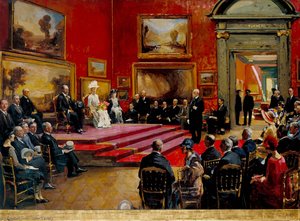
Tornato a Glasgow, Lavery si associò agli artisti della influente Glasgow School. Un momento cruciale arrivò nel 1888 quando ricevette l'incarico di dipingere la visita ufficiale della Regina Vittoria alla Esposizione Internazionale di Glasgow. Questo prestigioso incarico lanciò la sua carriera come ritrattista richiesto dalla società, spingendolo a trasferirsi a Londra poco dopo.
Come William Orpen, Lavery fu nominato artista ufficiale durante la Prima Guerra Mondiale. Tuttavia, persistenti problemi di salute e un grave incidente automobilistico causato da un raid di Zeppelin gli impedirono di servire sul fronte occidentale. Invece, si concentrò sulla documentazione di scene belliche all'interno della Gran Bretagna, catturando barche, aeroplani e dirigibili.
Dopo la guerra, Lavery fu nominato cavaliere ed eletto alla Royal Academy nel 1921. La sua vita personale si intrecciò con eventi storici significativi; lui e sua moglie, Hazel, svolsero un ruolo discreto nella Guerra d'Indipendenza irlandese e nella Guerra Civile, fornendo la loro casa di Londra per i negoziatori irlandesi. Immortalizzò Michael Collins con il suo dipinto "Michael Collins, Love of Ireland," ora ospitato alla Hugh Lane Municipal Gallery.
Lo stile artistico di Lavery mescolava elementi dell'Impressionismo con un occhio attento a catturare personalità e atmosfera. I suoi ritratti sono celebrati per il loro realismo, eleganza e la perspicace rappresentazione del carattere. Era anche abile nel dipingere paesaggi e scene della vita quotidiana.
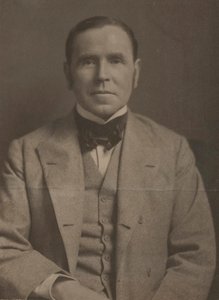
1856 - 1941 , Irlanda

Esplora i 10 capolavori impressionisti di Monet, Renoir e Degas che hanno rivoluzionato la pittura. Scopri storie, tecniche e colori iconici. Trova riproduzioni d'arte di alta qualità per decorare casa su Most-Famous-Paintings.com!
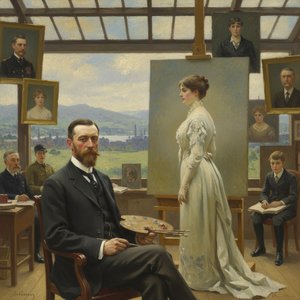
Esplora la vita e l'opera di Sir John Lavery, maestro dell'Impressionismo scozzese. Scopri i suoi ritratti iconici, le influenze artistiche e il contributo all'arte britannica del XIX secolo.
Commissiona un ritratto di coppia ad olio unico e senza tempo. Artisti esperti creano opere d'arte personalizzate, simboliche ed emozionanti per tramandare la vostra storia familiare. Scopri il valore dell'arte come eredità.
Scopri la rinascita della pittura ad olio! Riproduzioni di alta qualità realizzate da esperti artisti. Consulenza personalizzata e opere uniche per arredare con stile e valore.

Scopri Lilla Cabot Perry, pioniera dell'Impressionismo americano e ritrattista della società bostoniana. Approfondisci la sua vita, le influenze di Monet e l'eredità artistica con Most-Famous-Paintings.


Rimani aggiornato sulle ultime novità dell'arte, sulle offerte esclusive e sulle idee di decorazione.
Raccontaci del tuo progetto e i nostri esperti d'arte ti proporranno 3 suggerimenti artistici personalizzati.
Lascia che ci pensiamo noi: 3 opzioni su misura per te – Gratis!


 Condividi


 Scopri di più







 L'opzione vetro è disponibile solo per dimensioni inferiori a 110 cm