x

Stampa giclée o su tela di qualità museale, con produzione rapida e diverse opzioni di finitura. ( Ordina la riproduzione dipinta a mano Acquista download)





























Scegli tra le nostre dimensioni predefinite, che rispettano le proporzioni originali dell'opera d'arte.

È possibile inserire dimensioni personalizzate per adattare l'opera a una cornice o a uno spazio specifico. Se la dimensione selezionata non corrisponde alle proporzioni dell'immagine originale, procederemo al ritaglio dell'opera o all'estensione dell'immagine con un bordo specchiato o a tinta unita. Un mockup digitale ti verrà inviato per approvazione prima dell'inizio della produzione.
Si prega di notare che l'anteprima a schermo non riflette il ritaglio o l'estensione effettivi. Solo il mockup mostrerà accuratamente la composizione finale.
Sebbene siano disponibili dimensioni personalizzate, si raccomanda di selezionare una dimensione dall'elenco predefinito per preservare le proporzioni originali.
Consegna in tutto il mondo () in 2 settimane invece delle normali 4/5 settimane. (18 Agosto)


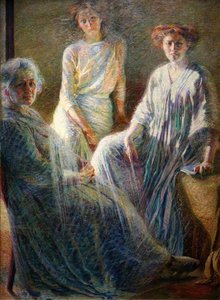
Mourning
Dimensioni della riproduzione
Umberto Boccioni's 1910 painting, “Mourning,” is not simply a depiction of grief; it’s a visceral embodiment of the Futurist movement’s radical rejection of traditional artistic representation. This stark black and white image, featuring three central figures amidst a field of delicate flowers, immediately confronts the viewer with an unsettling tableau – a scene saturated with loss and rendered with a deliberate, almost violent energy. The photograph captures a moment frozen in time, yet vibrates with the dynamism that defined Boccioni’s artistic vision. The composition itself is deliberately fractured, mirroring the shattered emotional state of those depicted, and reflecting the Futurist desire to capture not just appearances but the *feeling* of movement and disruption.
Boccioni’s technique is characterized by bold, fragmented brushstrokes and a flattened perspective— hallmarks of the Futurist style. He sought to represent not a static image but rather the *impression* of movement and disruption. Lines are deliberately broken and overlapping, creating a sense of instability and conveying the raw emotion of the scene. The monochromatic palette further amplifies this effect, stripping away any distractions and focusing attention on the stark forms and dramatic gestures. This approach reflects the Futurist fascination with speed, technology, and the dynamism of modern life – themes powerfully expressed through the distortion of form and space.
Created in 1910, “Mourning” emerged during a period of intense social and political upheaval in Italy. The Futurist movement was born out of a desire to break free from the perceived stagnation of traditional art and embrace the energy of the industrial age. Boccioni’s work reflects this broader cultural shift, using themes of death and loss as a means of exploring larger questions about modernity, progress, and humanity's place in a rapidly changing world. The act of holding the deceased bodies can be interpreted as a symbolic representation of confronting mortality – a central concern for many artists during this era.
"Mourning" is more than just a historical artifact; it’s a profoundly moving work that continues to resonate with viewers today. Boccioni's masterful manipulation of form, space, and emotion creates a powerful and unsettling experience. This painting stands as a testament to the Futurist movement's revolutionary spirit and its enduring influence on 20th-century art. A hand-painted reproduction offers an unparalleled opportunity to bring this iconic work into your home or office, allowing you to contemplate its complex themes and appreciate Boccioni’s groundbreaking artistic vision.

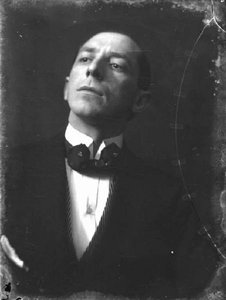
1882 - 1916 , Italia

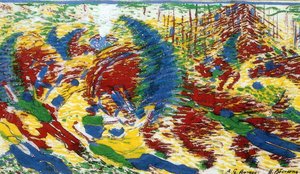
Explore the dynamic world of Italian Futurism. Discover how masters like Umberto Boccioni captured speed, power, and modernity through revolutionary techniques. A definitive guide for art historians and collectors seeking to understand the movement that redefined the machine age.

Explore the profound artistry of black and white photography. From the chemistry of gelatin silver to the chiaroscuro of the Old Masters, discover how monochrome captures the eternal essence of light, form, and emotion for the discerning art collector.

Explore the dramatic world of Italian Baroque art. Discover how masters like Caravaggio used chiaroscuro and tenebrism to revolutionize painting through light, shadow, and profound realism. A definitive guide for history lovers and art collectors.


Rimani aggiornato sulle ultime novità dell'arte, sulle offerte esclusive e sulle idee di decorazione.
Raccontaci del tuo progetto e i nostri esperti d'arte ti proporranno 3 suggerimenti artistici personalizzati.
Lascia che creiamo per te una selezione di 3 opzioni su misura – Gratis!


 Anteprima in scala reale
 Condividi
 Condividi
 Dettagli

 Scarica immagine
 Articoli simili
 Radiografia
 Slideshow

 Leggi tutto







 L'opzione vetro è disponibile solo per dimensioni inferiori a 110 cm