x

 Acrilico su telaArte da pareteHigh Renaissance
 1505
1505 92.0 x 126.0 cm
 Musée du Petit Palais
Olio su tela dipinto a mano nelle tue dimensioni e con la tua cornice, realizzato su ordinazione dai nostri artisti. ( Passa alla stampa Passa all'immagine)





























Scegli tra le nostre dimensioni predefinite, che rispettano le proporzioni originali dell'opera d'arte.

È possibile inserire dimensioni personalizzate per adattare l'opera a una cornice o a uno spazio specifico. Se la dimensione selezionata non corrisponde alle proporzioni dell'immagine originale, provvederemo a ritagliare l'opera o a estendere il dipinto con elementi aggiuntivi dipinti a mano. Un mockup digitale ti sarà inviato per approvazione prima dell'inizio della produzione.
Si prega di notare che l'anteprima a schermo non riflette il ritaglio o l'estensione effettivi. Solo il mockup mostrerà accuratamente la composizione finale.
Sebbene siano disponibili dimensioni personalizzate, consigliamo di selezionare una dimensione dall'elenco predefinito per preservare le proporzioni originali.
Consegna in tutto il mondo () in 3/4 settimane anziché nelle normali 5 settimane. (8 Agosto). Nessun compromesso sulla qualità.


Holy Conversation
Dimensioni della riproduzione
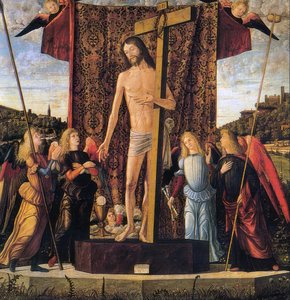
Vittore Carpaccio’s “Holy Conversation,” completed around 1505 in Venice, stands as a testament to the enduring power of narrative painting within the High Renaissance. More than just a depiction of biblical figures—Jesus Christ and Mary Magdalene—it's an immersive experience into a pivotal moment of spiritual contemplation, skillfully rendered with meticulous detail and infused with Venetian artistic sensibilities.
Born in Venice around 1465, Vittore Carpaccio emerged from the influential Bellini school, inheriting its commitment to realism while forging a distinctive path. Unlike many of his contemporaries who embraced humanist ideals and experimented with innovative compositional techniques, Carpaccio remained steadfastly rooted in tradition. His style prioritized clarity and emotional resonance over intellectual abstraction, favoring instead a luminous palette and an expressive handling of brushstrokes—a stylistic hallmark that distinguishes him from the broader Renaissance movement.
The painting transports us to a Venetian piazza bathed in sunlight. Carpaccio meticulously recreated the atmosphere of his time, capturing the textures of stone walls, weathered buildings, and lush greenery—elements that contribute significantly to the scene’s palpable sense of place. The composition is carefully balanced, guiding the viewer's gaze towards the central figures—Jesus and Mary Magdalene—who engage in a solemn dialogue. Surrounding them are additional individuals, subtly integrated into the landscape, enhancing the narrative depth.
Carpaccio’s mastery of tempera on canvas is evident in every brushstroke. He achieved remarkable luminosity through layering thin glazes of pigment—a technique perfected by Bellini himself—creating a captivating interplay of light and shadow that imbues the figures with an ethereal quality. The color palette leans towards muted hues, reflecting the Venetian artistic tradition’s preference for naturalistic tones rather than flamboyant chromatic displays. However, Carpaccio skillfully employs vibrant accents to draw attention to key elements within the composition.
"Holy Conversation" is part of a larger cycle depicting Saint Ursula’s legend—a tale of pilgrimage and miraculous healing—and it encapsulates the spiritual fervor of its time. The figures embody piety and humility, conveying a profound sense of reverence for divine grace. Carpaccio’s meticulous attention to detail extends beyond mere visual representation; he seeks to evoke emotion and stimulate contemplation, inviting viewers to engage with the narrative on a deeper level.
“Holy Conversation” continues to inspire artists and collectors alike. Its serene beauty and masterful execution exemplify the Venetian Renaissance’s artistic achievements—a legacy that resonates powerfully even today. Reproductions of this iconic artwork offer an opportunity to appreciate Carpaccio's genius and immerse oneself in a moment of spiritual contemplation, mirroring the original painting’s enduring emotional impact.


1465 - 1526 , Italia

Esplora l'arte di Vittore Carpaccio e il Rinascimento veneziano. Approfondisci la storia della Scuola di San Giorgio degli Schiavoni, il suo ciclo pittorico unico e la poetica del dettaglio che lo rende un maestro.

Esplora i 10 capolavori del Rinascimento Maturo con ! Scopri Leonardo, Michelangelo, Raffaello e altri maestri. Dipinti iconici, storie affascinanti e riproduzioni d'arte di alta qualità per la tua casa. Esplora la collezione online!
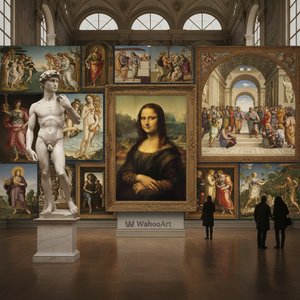
Esplora i 10 capolavori del Rinascimento – Leonardo, Michelangelo, Raffaello e altri maestri. Scopri la storia, le tecniche e l'impatto di queste opere iconiche. Trova riproduzioni d'arte di alta qualità su !

Explore the High Renaissance's artistic brilliance! Discover Da Vinci, Michelangelo & Raphael’s masterpieces, humanist ideals, and groundbreaking techniques. Learn about patronage & its lasting impact on art history.
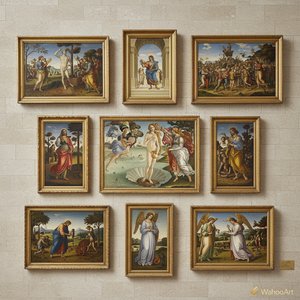
Esplora i 10 capolavori del Rinascimento italiano: Leonardo, Michelangelo, Raffaello e altri maestri. Scopri la storia, il simbolismo e le tecniche di queste opere iconiche. Trova riproduzioni d'arte di alta qualità su !


Rimani aggiornato sulle ultime novità dell'arte, sulle offerte esclusive e sulle idee di decorazione.
Raccontaci del tuo progetto e i nostri esperti d'arte ti proporranno 3 suggerimenti artistici personalizzati.
Lascia che creiamo per te una selezione di 3 opzioni su misura – Gratis!


 Anteprima in scala reale
 Condividi
 Condividi
 Dettagli

 Scarica immagine
 Articoli simili
 Radiografia
 Slideshow
 Leggi tutto







 L'opzione vetro è disponibile solo per dimensioni inferiori a 110 cm