


x


 Preview
 Ordina la riproduzione Acquista download
 Invia
Invia
 Dettagli opera
 Aggiungi ai preferiti
 Scarica
 Simili
 Radiografia
 Slideshow
Stampa giclée o su tela di qualità museale, con produzione rapida e diverse opzioni di finitura.





























Scegli tra le nostre dimensioni predefinite, che rispettano le proporzioni originali dell'opera d'arte.

È possibile inserire dimensioni personalizzate per adattare l'opera a una cornice o a uno spazio specifico. Se la dimensione selezionata non corrisponde alle proporzioni dell'immagine originale, procederemo al ritaglio dell'opera o all'estensione dell'immagine con un bordo specchiato o a tinta unita. Un mockup digitale ti verrà inviato per approvazione prima dell'inizio della produzione.
Si prega di notare che l'anteprima a schermo non riflette il ritaglio o l'estensione effettivi. Solo il mockup mostrerà accuratamente la composizione finale.
Sebbene siano disponibili dimensioni personalizzate, si raccomanda di selezionare una dimensione dall'elenco predefinito per preservare le proporzioni originali.
Consegna in tutto il mondo () in 2 settimane invece delle normali 4/5 settimane. (26 Luglio)


Spring Dream
Dimensioni riproduzione
William-Adolphe Bouguereau’s “Spring Dream” is more than just a depiction of a serene female figure; it’s an immersion into a world meticulously crafted to evoke the very essence of Romantic beauty. Painted in the style deeply rooted in classical ideals, this oil on canvas transports the viewer to a verdant forest sanctuary, where innocence and grace intertwine with a profound sense of timelessness. The composition immediately draws the eye to the central figure, seated upon a stone ledge, her posture radiating an almost ethereal calm. Around her flutter three cherubic infants – winged embodiments of joy and protection – engaged in playful gestures that further amplify the painting’s idyllic atmosphere. Bouguereau's masterful handling of light and shadow, employing a technique reminiscent of chiaroscuro, dramatically enhances the figures' forms, lending them an almost sculptural quality while simultaneously blurring the boundaries between reality and dream.
The technical execution of “Spring Dream” is nothing short of extraordinary. Bouguereau’s meticulous brushwork creates a remarkable softness in the transitions between colors, resulting in a surface that appears both luminous and incredibly tactile. The artist's deliberate attention to texture – from the polished smoothness of the woman’s garments and the stone ledge to the rougher surfaces of the foliage – adds significant depth and realism to the scene. The color palette, dominated by warm golds, browns, and reds contrasted with cooler greens and blues, is not merely decorative; it serves to heighten the emotional impact of the work, evoking feelings of warmth, tranquility, and perhaps even a touch of melancholy. The use of atmospheric perspective – subtly muted tones in the distant trees – skillfully guides the viewer’s eye into the heart of the composition, creating an illusion of vastness and reinforcing the sense of depth.
Beyond its technical brilliance, “Spring Dream” is rich in symbolic meaning. The cherubic figures, representing love, joy, and divine protection, are central to the painting’s narrative. Their playful interactions with the woman suggest a harmonious union between earthly beauty and celestial grace. The setting itself – a lush forest teeming with life – symbolizes rebirth and renewal, aligning perfectly with the themes of spring. The subject matter, rooted in classical mythology, speaks to enduring human values such as innocence, purity, and the pursuit of beauty. This painting resonates with the artistic conventions of its time, reflecting Bouguereau’s commitment to portraying idealized forms and narratives.
"Spring Dream" firmly establishes itself within the context of French Romanticism, a movement that prioritized emotion, imagination, and an appreciation for nature. While influenced by artists like William-Adolphe Bouguereau, it showcases his unique style – characterized by meticulous detail, luminous color palettes, and an unwavering commitment to portraying beauty in its most idealized form. Bouguereau’s work was hugely influential during the 19th century, and continues to be admired for its technical skill and emotional resonance. This painting represents a pinnacle of Bouguereau's career, demonstrating his mastery of light, color, and composition – qualities that have secured his place as one of the most celebrated artists of the Romantic era.

William-Adolphe Bouguereau ricevette la sua formazione artistica all'École des Beaux-Arts di Parigi. Studiò sotto François-Edouard Picquenot, una figura significativa nel suo sviluppo iniziale. Bouguereau fu fortemente influenzato dalle opere di Raffaello e Tiziano, evidente nei suoi ricchi colori e nelle composizioni dettagliate. Questa base classica plasmò il suo approccio alla pittura per tutta la sua carriera.
Lo stile artistico di Bouguereau è caratterizzato dal realismo, catturando meticolosamente l'emozione umana e l'anatomia con notevole precisione. Era un maestro nel rappresentare la forma femminile, spesso ritraendo figure mitologiche e scene di genere con una bellezza idealizzata. Alcune delle sue opere più notabili includono:
I dipinti di Bouguereau spesso presentavano temi mitologici, scene allegoriche e raffigurazioni idealizzate delle donne, riflettendo i gusti popolari del pubblico frequentatore dei Salon.
L'opera di Bouguereau si è evoluta nel tempo, pur mantenendo un forte impegno per il realismo accademico. Inizialmente influenzato da Raffaello e Tiziano, sviluppò uno stile distintivo caratterizzato da una resa impeccabile dell'anatomia umana, una particolare attenzione alla luce e all'ombra, e una capacità di evocare emozioni sottili attraverso l'espressione dei volti. La sua abilità nel rappresentare la figura femminile lo rese particolarmente popolare, ma anche oggetto di critiche da parte degli artisti impressionisti che preferivano un approccio più libero e spontaneo.
Nonostante abbia raggiunto un'immensa popolarità durante la sua vita, il lavoro di Bouguereau cadde in disgrazia nei primi anni del XX secolo quando le tendenze artistiche si spostarono verso l'astrazione e il modernismo. Tuttavia, la sua eredità ha sperimentato una significativa ripresa negli ultimi anni. Gli storici dell'arte e i collezionisti ora riconoscono la sua abilità tecnica e la dedizione ai valori artistici tradizionali.
Le opere di Bouguereau si possono trovare in prestigiosi musei in tutto il mondo:
I suoi dipinti fanno anche parte di numerose collezioni private, contribuendo ulteriormente al suo fascino duraturo.

1825 - 1905 , Francia

Esplora i 25 capolavori di Claude Monet, il maestro dell'Impressionismo. Scopri la storia, i colori e le tecniche dietro ninfee, paesaggi iconici e dipinti famosi. Trova riproduzioni artistiche di alta qualità per arredare casa con stile su Most-Famous-Paintings.com.

Esplora i 25 capolavori di Dante Gabriel Rossetti, pittore preraffaellita simbolo del romanticismo vittoriano. Scopri storie, tecniche e colori unici delle sue opere più famose. Trova riproduzioni d'arte di alta qualità per la tua casa su Most-Famous-Paintings.com
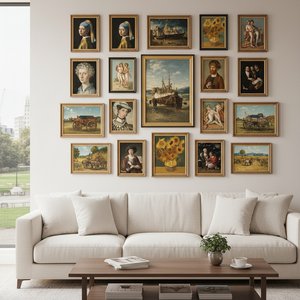
Esplora i 25 capolavori della National Gallery di Londra! Van Gogh, Monet, Rembrandt e altri maestri rivivono in storie d'arte uniche. Trova stampe su tela e riproduzioni artistiche per decorare la tua casa con stile. Scopri tutte le opere su Most-Famous-Paintings.com

Scopri i 25 capolavori di Marianne North, pittrice vittoriana e botanica appassionata. Ammira paesaggi esotici, fiori dipinti con colori vivaci e la sua arte unica. Riproduzioni artistiche su Most-Famous-Paintings.com per decorare casa con stile.
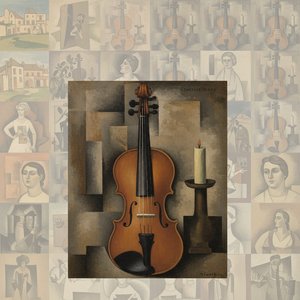
Esplora i 25 capolavori di Georges Braque, pioniere del Cubismo. Scopri la storia, le tecniche e l'impatto di opere iconiche come 'The Patience'. Trova riproduzioni d'arte di alta qualità per decorare casa tua su Most-Famous-Paintings.com.


Rimani aggiornato sulle ultime novità dell'arte, sulle offerte esclusive e sulle idee di decorazione.
Raccontaci del tuo progetto e i nostri esperti d'arte ti proporranno 3 suggerimenti artistici personalizzati.
Lascia che ci pensiamo noi: 3 opzioni su misura per te – Gratis!


 Condividi


 Scopri di più







 L'opzione vetro è disponibile solo per dimensioni inferiori a 110 cm


