x

 Preview
 Ordina la riproduzione Acquista download
 Invia
Invia
 Dettagli opera
 Aggiungi ai preferiti
 Scarica
 Simili
 Radiografia
 Slideshow
 Olio su telaOpere d'arte da pareteAmerican Impressionism
 1910
1910 74.0 x 91.0 cm
 Metropolitan Museum of Art
Stampa giclée o su tela di qualità museale, con produzione rapida e diverse opzioni di finitura.





























Scegli tra le nostre dimensioni predefinite, che rispettano le proporzioni originali dell'opera d'arte.

È possibile inserire dimensioni personalizzate per adattare l'opera a una cornice o a uno spazio specifico. Se la dimensione selezionata non corrisponde alle proporzioni dell'immagine originale, procederemo al ritaglio dell'opera o all'estensione dell'immagine con un bordo specchiato o a tinta unita. Un mockup digitale ti verrà inviato per approvazione prima dell'inizio della produzione.
Si prega di notare che l'anteprima a schermo non riflette il ritaglio o l'estensione effettivi. Solo il mockup mostrerà accuratamente la composizione finale.
Sebbene siano disponibili dimensioni personalizzate, si raccomanda di selezionare una dimensione dall'elenco predefinito per preservare le proporzioni originali.
Consegna in tutto il mondo () in 2 settimane invece delle normali 4/5 settimane. (28 Luglio)


Pesce
Dimensioni riproduzione
“Fish,” painted by William Merritt Chase in 1910, is more than simply a depiction of aquatic life; it's a captivating meditation on abundance, transience, and the masterful interplay between observation and artistic interpretation. This remarkable work, executed with Chase’s signature bravura brushwork, offers a glimpse into the heart of American Impressionism while simultaneously echoing the rich traditions of 17th-century Spanish still lifes. The painting's enduring appeal lies not just in its subject matter – the elegant forms of a striped bass and a salmon – but also in the evocative atmosphere Chase creates through his deliberate use of light, shadow, and tonal contrast.
The composition immediately draws the eye to the dominant striped bass, positioned prominently on the left, a gesture that subtly asserts its importance within the scene. Chase skillfully employs a triangular arrangement, anchoring the piece with this substantial fish and utilizing the smaller salmon and weakfish to create visual interest and guide the viewer’s gaze across the canvas. The dark background, almost entirely devoid of detail, serves as a dramatic foil, intensifying the luminosity of the fish themselves. This technique is reminiscent of the Spanish masters – Velázquez and Zurbarán, for example – who frequently employed similar strategies to heighten the impact of their subjects. Chase's training in Munich undoubtedly informed his approach, introducing him to the bold brushstrokes and dynamic lighting favored by German artists, yet he seamlessly integrated these influences with a distinctly American sensibility.
The painting’s monochromatic palette – a carefully orchestrated range of grays – is crucial to its success. Rather than relying on vibrant hues, Chase utilizes subtle gradations in tone to define the contours of the fish, suggesting their scales and fins with remarkable precision. The artist masterfully renders textures; the smooth, moist flesh of the salmon contrasts sharply with the rough, reflective surface of the bass’s scales. Light plays a pivotal role, seemingly originating from an unseen source above and slightly to the left, casting dramatic highlights on the upper surfaces and deep shadows beneath. This chiaroscuro effect not only adds depth and volume but also imbues the scene with a sense of drama and immediacy. The deliberate absence of color forces the viewer to focus entirely on form, texture, and the interplay of light and shadow – elements that are central to Chase’s artistic vision.
While “Fish” avoids overt symbolism, it subtly evokes a sense of both abundance and melancholy. The still life arrangement speaks to the bounty of nature, yet the dark background creates an undercurrent of somberness, hinting at the fleeting nature of beauty and life itself. The positioning of the fish – seemingly poised on the edge of existence – can be interpreted as a poignant reminder of mortality. Chase’s work invites contemplation, prompting us to consider not only the visual splendor of the scene but also its deeper emotional resonance. It's a piece that lingers in the memory long after viewing, a testament to the artist’s ability to capture both the beauty and fragility of the natural world.
Most-Famous-Paintings offers exquisite, hand-painted reproductions of William Merritt Chase’s “Fish,” allowing you to bring this captivating artwork into your home or office. Each reproduction is meticulously crafted by skilled artists, ensuring that it faithfully captures the original's atmosphere and artistic nuances. Explore our collection today and experience the timeless beauty of this remarkable painting.

William Merritt Chase fu una figura chiave nell'arte americana della fine del XIX secolo, riconosciuto sia come un importante esponente dell'Impressionismo che come un influente educatore. Le sue tele vibranti, raffiguranti scene di vita quotidiana, paesaggi e ritratti, catturarono lo spirito di un’America in rapida trasformazione. Oltre ai suoi successi artistici, l'eredità di Chase si estende alla fondazione della Chase School (poi Parsons The New School for Design), che ha plasmato significativamente l'istruzione artistica americana.
William Merritt Chase occupa una posizione vitale nella storia dell'arte americana. Ha colmato il divario tra le precedenti tradizioni accademiche e l’emergente movimento impressionista, contribuendo in modo significativo allo sviluppo di un'identità artistica americana distintiva. Il suo impegno nell'insegnamento ha assicurato che il suo approccio innovativo alla pittura continuasse a ispirare generazioni di artisti, consolidando la sua eredità sia come pittore talentuoso che come educatore influente.

1849 - 1916 , Stati Uniti d'America

Crea una natura morta personalizzata per il tuo hotel con Most-Famous-Paintings! Artisti esperti realizzano riproduzioni su tela di alta qualità, trasformando le tue foto in opere d'arte uniche. Consulenza gratuita e spedizione internazionale.

Explore the life & art of Alice Pike Barney, a pioneering American Impressionist painter who defied convention and fostered Washington D.C.'s vibrant arts scene. Discover her unique style, portraits, and lasting legacy.
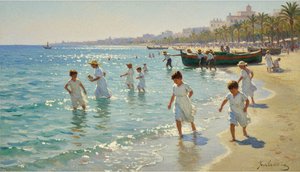
Esplora la vita e l'opera di Joaquín Sorolla, il maestro della luce spagnola. Scopri le sue tecniche impressioniste, i temi ricorrenti e l'eredità artistica che lo rende un’icona dell'arte. Approfondimenti esclusivi su Most-Famous-Paintings.

Explore the rich history of still life painting with Most-Famous-Paintings. Discover Dutch Masters, decode vanitas symbolism & learn about collecting timeless art. Expert insights and museum-quality reproductions.

Explore the captivating world of Severin Roesen, a major American still life painter influenced by Dutch masters. Discover his lush compositions and the symbolism within his art – a window into 19th-century America.


Rimani aggiornato sulle ultime novità dell'arte, sulle offerte esclusive e sulle idee di decorazione.
Raccontaci del tuo progetto e i nostri esperti d'arte ti proporranno 3 suggerimenti artistici personalizzati.
Lascia che ci pensiamo noi: 3 opzioni su misura per te – Gratis!


 Condividi

 Scopri di più







 L'opzione vetro è disponibile solo per dimensioni inferiori a 110 cm