


x

 OilWallArtCamden Town Group
 1918Modern
 51.0 x 51.0 cm
 Tate Liverpool
Olio su tela dipinto a mano nelle tue dimensioni e con la tua cornice, realizzato su ordinazione dai nostri artisti. ( Acquista stampa Acquista immagine)





























Scegli tra le nostre dimensioni predefinite, che rispettano le proporzioni originali dell'opera d'arte.

È possibile inserire dimensioni personalizzate per adattare l'opera a una cornice o a uno spazio specifico. Se la dimensione selezionata non corrisponde alle proporzioni dell'immagine originale, provvederemo a ritagliare l'opera o a estendere il dipinto con elementi aggiuntivi dipinti a mano. Un mockup digitale ti sarà inviato per approvazione prima dell'inizio della produzione.
Si prega di notare che l'anteprima a schermo non riflette il ritaglio o l'estensione effettivi. Solo il mockup mostrerà accuratamente la composizione finale.
Sebbene siano disponibili dimensioni personalizzate, consigliamo di selezionare una dimensione dall'elenco predefinito per preservare le proporzioni originali.
Consegna in tutto il mondo () in 3/4 settimane anziché nelle normali 5 settimane. (24 Agosto). Nessun compromesso sulla qualità.


Attic Room
Dimensioni riproduzione
In the quiet corners of art history, certain works possess the unique ability to transform a mere space into a profound emotional experience. William Whitehead Ratcliffe’s Attic Room, painted in 1918, is one such masterpiece. This intimate portrayal of a domestic interior invites the viewer to step away from the clamor of the modern world and enter a realm of contemplative solitude. The painting captures a bedroom setting tucked within the eaves of an attic, where the soft, natural light filtering through a distant window breathes life into the humble objects scattered throughout the room. There is a palpable sense of peace in this composition, as if time itself has slowed to match the gentle rhythm of a resting soul.
The composition is masterfully arranged to guide the eye through a narrative of quiet companionship between objects. On the left, a bed serves as the anchor of the room, suggesting a place of rest and vulnerability. Nearby, a solitary chair waits, perhaps for a reader or a dreamer, adding a layer of human presence even in the absence of figures. The placement of two vases—one central and one toward the periphery—along with a delicate bottle, creates a rhythmic balance that speaks to the artist's training in the decorative arts. These elements are not merely decorations; they are the silent protagonists of a domestic drama, each contributing to an atmosphere of cozy, lived-in comfort.
As a pioneer of the Camden Town Group, Ratcliffe brought a specific sensibility to his work—a dedication to capturing the vibrancy and immediacy of everyday life. In Attic Room, we see this through a technique that emphasizes texture and light. The way the light interacts with the surfaces of the furniture and the ceramic vessels suggests a profound understanding of how atmosphere is constructed through subtle tonal shifts. The brushwork, while controlled, retains a tactile quality that makes the fabric of the bed and the smoothness of the glass feel almost tangible to the viewer.
For the discerning collector or interior designer, this piece offers more than just visual beauty; it offers a mood. The painting’s palette and its focus on the "beauty in the mundane" make it an extraordinary choice for creating a focal point in a sophisticated living space. Whether placed in a sunlit study or a quiet corner of a bedroom, a high-quality reproduction of this work brings with it the historical weight of early twentieth-century English modernism. It serves as a window into a period where artists sought to find the extraordinary within the ordinary, making it an enduring inspiration for those who value art that speaks to the heart and elevates the home.

In the vibrant, often turbulent tapestry of early twentieth-century British art, certain names resonate with thunderous fame, while others whisper with a more profound, enduring grace. William Whitehead Ratcliffe belongs to that latter, more intimate category. A pioneer of the Camden Town Group, Ratcliffe was an artist whose life was characterized by a steadfast commitment to his craft, far removed from the pursuit of fleeting celebrity. Born on October 6th, 1870, in the tranquil village of Clenchwarton near Kings Lynn, Norfolk, his journey began in the modest surroundings of a draper’s assistant's family. Though his early years took him to the industrial landscape of Gorton, Manchester, the seeds of his artistic soul were sown through a disciplined pursuit of beauty and design.
Ratcliffe’s path was never one of sudden inspiration, but rather a gradual, deliberate unfolding of talent. While working as a clerk for a cotton merchant, he sought out evening classes at the Manchester School of Art. It was here that he encountered the influential Walter Crane, a master of the decorative arts who instilled in Ratcliffe a lifelong appreciation for the harmony between pattern and landscape. This early training in wallpaper design, gained while working for the Wallpaper Manufacturers’ Combine, would later manifest in his paintings as a unique sensitivity to texture, rhythm, and the quiet elegance of domestic objects.
The turn of the century brought Ratcliffe to London, a move that would irrevocably alter the trajectory of his life. Drawn to the utopian ideals of the Garden City Movement, he settled in Letchworth Garden City in 1906. This experimental community became more than just a residence; it became a sanctuary for artistic experimentation and fellowship. It was within this setting that Ratcliffe formed a vital artistic circle alongside Harold Gilman and Richard Barry Parker. Under the mentorship and spirited encouragement of Gilman, Ratcliffe underwent a profound metamorphosis, turning his back on the commercial world of illustration to embrace the rigorous and rewarding pursuit of fine art.
Seeking to deepen his technical mastery, Ratcliffe enrolled at the Slade School of Fine Art in London. Studying under figures such as Frank Dobson, he refined his understanding of form and composition, blending the decorative sensibilities of his youth with a burgeoning interest in the immediacy of modern life. This period of formal education provided the structural foundation upon which he would build his most evocative works, allowing him to bridge the gap between the structured world of design and the fluid, emotive realm of painting.
The work of William Whitehead Ratcliffe is often characterized by a remarkable ability to find the extraordinary within the ordinary. As a member of the Camden Town Group, he shared their dedication to capturing the vibrancy of everyday existence, yet his approach often leaned toward a more contemplative, almost spiritual, stillness. His landscapes and interiors are not merely depictions of places, but explorations of atmosphere and emotion.
Consider the following hallmarks of his enduring artistic contribution:
Though he may not have shared the widespread fame of his contemporary Harold Gilman, Ratcliffe’s significance lies in his unwavering authenticity. He remained a full-time artist throughout his life, supported by the very community and family ties that nurtured his early growth. When he passed away in January 1955, he left behind a body of work that serves as a poignant reminder of the beauty found in the quiet corners of the world—a testament to an artist who found greatness not in the spotlight, but in the gentle rhythm of a life lived through art.

1870 - 1955

Explore the life & work of Robert Bevan, a pioneer of British Post-Impressionism and founding member of the Camden Town Group. Discover his vibrant landscapes and lasting impact on early 20th-century art.
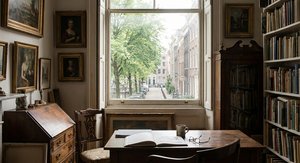
Explore the fascinating history of domestic interiors in art! From Dutch Masters to Impressionism, discover how artists captured home life & social meaning. Expert analysis and insights at Most-Famous-Paintings.

Scopri come integrare l'arte contemporanea negli interni classici con stile ed eleganza. Consigli esperti, ispirazioni e soluzioni personalizzate per una casa di lusso unica.

Elevate your interior design with our expert guide to harmonizing art styles & architecture. Discover timeless pieces, color palettes, & custom artwork solutions for balanced, luxury spaces. Expert advice included!

Scopri come creare un'estetica interiore duratura ispirata a Rinascimento, Impressionismo e Pop Art. Consigli esperti per arredare con stile e valorizzare le opere d'arte.


Rimani aggiornato sulle ultime novità dell'arte, sulle offerte esclusive e sulle idee di decorazione.
Raccontaci del tuo progetto e i nostri esperti d'arte ti proporranno 3 suggerimenti artistici personalizzati.
Lascia che creiamo per te una selezione di 3 opzioni su misura – Gratis!


 Anteprima in scala reale
 Invia
Invia Condividi
 Dettagli opera

 Scarica immagine
 Simili
 Radiografia
 Slideshow
 Espandi i dettagli







 L'opzione vetro è disponibile solo per dimensioni inferiori a 110 cm


