x

Stampa giclée o su tela di qualità museale, con produzione rapida e diverse opzioni di finitura. ( Ordina la riproduzione dipinta a mano Acquista download)





























Scegli tra le nostre dimensioni predefinite, che rispettano le proporzioni originali dell'opera d'arte.

È possibile inserire dimensioni personalizzate per adattare l'opera a una cornice o a uno spazio specifico. Se la dimensione selezionata non corrisponde alle proporzioni dell'immagine originale, procederemo al ritaglio dell'opera o all'estensione dell'immagine con un bordo specchiato o a tinta unita. Un mockup digitale ti verrà inviato per approvazione prima dell'inizio della produzione.
Si prega di notare che l'anteprima a schermo non riflette il ritaglio o l'estensione effettivi. Solo il mockup mostrerà accuratamente la composizione finale.
Sebbene siano disponibili dimensioni personalizzate, si raccomanda di selezionare una dimensione dall'elenco predefinito per preservare le proporzioni originali.
Consegna in tutto il mondo () in 2 settimane invece delle normali 4/5 settimane. (18 Agosto)


The Backrush
Dimensioni della riproduzione
Winslow Homer’s “The Backrush,” completed in 1883, isn't merely a depiction of the Atlantic Ocean; it’s an embodiment of American spirit—a testament to perseverance amidst turbulent forces. Unlike many artists of his era preoccupied with grand narratives or idealized landscapes, Homer focused intently on capturing the raw immediacy of everyday life, specifically the relentless energy of coastal storms.
Executed entirely in watercolor, “The Backrush” exemplifies Homer’s unparalleled skill in manipulating this medium. Watercolor allows for subtle gradations of color and luminosity—qualities crucial to conveying the feeling of surging water and shifting light. Homer employed a layering technique, applying washes of pigment over subsequent layers to build up texture and depth. Notice how he captures the foam crests with delicate brushstrokes, creating an illusion of movement that draws the viewer’s eye into the heart of the storm.
Homer’s work emerged during the waning years of Romanticism—a movement characterized by its fascination with emotion and imagination. However, Homer tempered Romantic idealism with a grounding in observation. He meticulously documented scenes from rural America—fishermen battling waves, children playing on rocky shores—reflecting a broader trend toward realism within the artistic landscape. The painting speaks to anxieties about industrialization and urbanization, presenting nature as both formidable adversary and source of solace.
The crashing waves in “The Backrush” serve as potent symbols—representing not just meteorological phenomena but also the difficulties inherent in human existence. Yet, Homer doesn’t portray defeat; instead, he depicts resilience. The fishermen continue their struggle despite the overwhelming force of the storm, embodying a spirit of determination and fortitude. Furthermore, the birds circling overhead symbolize hope—a reminder that even amidst chaos, beauty persists.
"The Backrush" achieves what Romantic artists termed “the sublime”—a feeling of awe mingled with terror. Homer skillfully evokes this emotional response through his masterful use of color and texture. The dominant hues—deep blues and greens—reflect the ocean’s vastness and power, while the textured brushstrokes convey the physicality of the storm. Viewing this painting inspires contemplation on our relationship to nature and confronts us with the inescapable reality that life is often fraught with obstacles. It remains a powerfully evocative image, resonating with viewers across generations.

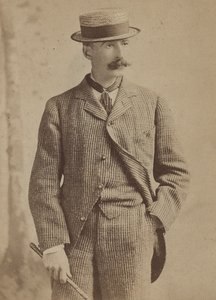
1836 - 1910 , Stati Uniti d'America

Explore the luminous world of American Impressionism. Discover the history of plein air painting, the mastery of artists like Robert Julian Onderdonk, and the enduring beauty of light-drenched landscapes through this expert art history guide.


Rimani aggiornato sulle ultime novità dell'arte, sulle offerte esclusive e sulle idee di decorazione.
Raccontaci del tuo progetto e i nostri esperti d'arte ti proporranno 3 suggerimenti artistici personalizzati.
Lascia che creiamo per te una selezione di 3 opzioni su misura – Gratis!


 Anteprima in scala reale
 Condividi
 Condividi
 Dettagli

 Scarica immagine
 Articoli simili
 Radiografia
 Slideshow
 Leggi tutto







 L'opzione vetro è disponibile solo per dimensioni inferiori a 110 cm


![Segno Dello Shop Indiano [rovescio, Indiano A Destra] — Winslow Homer, American Folk Realism](/media/artworks/images/thumbnails/64/50/64503c03f780433687607891aba35c23.jpg)