x

迅速な制作と多彩な仕上げオプションを備えた、ミュージアムクオリティのジークレーまたはキャンバスプリント。 ( 手描き画への切り替え 画像に切り替え)





























作品のオリジナル比率に合わせた、当店の規定サイズからお選びください。

特定のフレームやスペースに合わせて、ご自身でサイズを指定することも可能です。選択されたサイズが元の画像の比率と一致しない場合、作品をトリミングするか、鏡面反射または単色での塗りつぶしによって画像を拡張いたします。制作を開始する前に、ご確認用のデジタルモックアップをお送りいたします。
画面上のプレビューには、実際のトリミングや拡張は反映されませんのでご注意ください。最終的な構図を正確に確認できるのは、モックアップのみとなります。
カスタムサイズも承っておりますが、元の比率を維持するためには、あらかじめ用意されたリストからサイズを選択することをお勧めいたします。

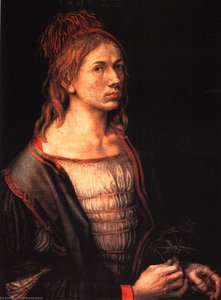
Harebells
複製画のサイズ
Albrecht Dürer's "Harebells," a captivating oil painting brimming with the vibrant energy of nature, stands as a testament to the artist’s unparalleled skill and his pivotal role in shaping the Northern Renaissance. Executed around 1507, this work transcends a simple depiction of flowers; it is an intensely personal exploration of beauty, proportion, and the very essence of observation – qualities that would define Dürer's legacy. The painting immediately draws the eye to the meticulously rendered bouquet, a riot of color and form that speaks volumes about the artist’s deep understanding of both botanical detail and artistic composition. It’s a piece that invites prolonged contemplation, revealing new nuances with each viewing.
Beyond its technical brilliance, “Harebells” resonates with the symbolic language of the Renaissance. Flowers held profound meaning within this era, often representing virtues, emotions, or allegorical concepts. While the precise symbolism of each bloom in Dürer’s bouquet remains open to interpretation, the overall effect evokes a sense of harmony and balance – a core tenet of Renaissance artistic philosophy. The meticulous detail with which he renders each flower suggests an appreciation for the natural world and a desire to capture its beauty with scientific precision. This reflects the humanist ideals that were gaining prominence during Dürer’s time, emphasizing human potential and the importance of observation.
Created in the early 16th century, “Harebells” reflects a period of immense artistic and intellectual ferment. Dürer was deeply influenced by Italian Renaissance masters like Leonardo da Vinci and Botticelli, yet he forged his own distinctive style—one characterized by rigorous observation, technical virtuosity, and a profound understanding of perspective and proportion. This painting exemplifies his commitment to exploring the relationship between art and science, reflecting a growing interest in natural history and anatomical accuracy that was characteristic of the era. Dürer’s work served as an important bridge between the Gothic and Renaissance artistic traditions, solidifying his place as one of the most influential artists of the Northern Renaissance.


1471 - 1528 , ドイツ
葛飾北斎の25選:『神奈川沖浪裏』や『富嶽三十六景』など、浮世絵の世界を深く探求。木版画の技法と日本美術の美をMost-Famous-Paintingsで。高品質なアートプリントで空間に感動を。コレクションはこちら。
初期ルネサンス美術の革新を彩る10選。ボッティチェリ、ダ・ヴィンチの名作から、時代を超越する美と技術を紐解きます。壁掛けアートやインテリアにインスピレーションを。Most-Famous-Paintings.comで至宝のコレクションをオンラインで発見しましょう!
ラファエロの傑作25選🎨 ルネサンス巨匠の物語と芸術の世界を紐解きます。美しい絵画複製や壁掛けアートで、お部屋に名画の彩りを。Most-Famous-Paintings.comで、美術史に残る作品群をご覧ください✨

Explore 10 famous paintings bathed in captivating dusty rose tones! From Monet to Bouguereau, discover romantic Impressionism & Renaissance masterpieces. Find museum-quality art reproductions and elevate your home decor with Most-Famous-Paintings.com. Explore the full collection online.
ゴヤ傑作25選:ロマン主義を代表するスペインの巨匠、フランシスコ・デ・ゴヤの世界へ。黒衣の女からマハまで、魂を揺さぶる絵画の物語と技法を紐解きます。Most-Famous-Paintingsで高品質なアートレプリカを見つけ、インテリアに深みと風格を。今すぐコレクションをご覧ください。


最新の美術ニュース、限定オファー、そしてインテリアのアイデアをいち早くお届けします。
お客様のプロジェクトについてお聞かせください。当社の美術専門家が、お客様に合わせた3つのパーソナライズされた芸術提案をご提供いたします。
あなたにぴったりの3作品を無料で厳選いたします


 プレビュー
プレビュー
 シェアする
シェアする シェアする
シェアする
 詳細を見る
詳細を見る

 ダウンロード
 似ている作品
 X線調査
X線調査 スライドショー

 詳細を見る
詳細を見る









 ガラスオプションは、110cm未満のサイズでのみご利用いただけます。