


x
 Oil On CanvasWallArtExpressionism
 1917Early Medieval
 81.0 x 45.0 cm
 Museu de Arte
迅速な制作と多彩な仕上げオプションを備えた、ミュージアムクオリティのジークレーまたはキャンバスプリント。 ( 手描きの絵画を購入 画像を購入)





























作品のオリジナル比率に合わせた、当店の規定サイズからお選びください。

特定のフレームやスペースに合わせて、ご自身でサイズを指定することも可能です。選択されたサイズが元の画像の比率と一致しない場合、作品をトリミングするか、鏡面反射または単色での塗りつぶしによって画像を拡張いたします。制作を開始する前に、ご確認用のデジタルモックアップをお送りいたします。
画面上のプレビューには、実際のトリミングや拡張は反映されませんのでご注意ください。最終的な構図を正確に確認できるのは、モックアップのみとなります。
カスタムサイズも承っておりますが、元の比率を維持するためには、あらかじめ用意されたリストからサイズを選択することをお勧めいたします。

Chakoska
複製画のサイズ
Amedeo Modigliani's 1917 painting, *Chakoska*, is not merely a portrait; it’s an exquisitely rendered distillation of the artist’s signature style and a poignant exploration of human vulnerability. Housed within the esteemed collection of the Museu de Arte in São Paulo, Brazil, this oil-on-canvas work transcends its modest dimensions (81 x 45 cm) to offer a profound glimpse into the heart of Expressionism and the deeply personal world of one of art’s most enigmatic figures. The painting immediately draws the eye to the subject's face – a study in elongated features, particularly her nose, which is both prominent and subtly unsettling, reflecting Modigliani’s deliberate manipulation of form to convey emotion rather than simply replicate reality.
Modigliani’s distinctive style, born from a confluence of influences including Post-Impressionism, African sculpture, and the burgeoning currents of Expressionism, is powerfully evident in *Chakoska*. He abandoned traditional perspective, favoring instead a flattened space and an emphasis on line. The elongated neck, a hallmark of his portraits, here contributes to a sense of contained tension, as if the subject holds within her a deep-seated sadness or unspoken longing. The muted palette – dominated by ochres, browns, and subtle blues – further enhances this mood, creating a visual atmosphere of quiet introspection. Notice how he employs broken brushstrokes, layering color rather than blending it smoothly, adding to the painting’s tactile quality and conveying a sense of movement beneath the surface.
*Chakoska* firmly situates itself within the broader context of Expressionist art. This movement, emerging in the early 20th century, sought to capture not just external appearances but the subjective emotional experience of the artist – a raw, unfiltered portrayal of inner turmoil. Modigliani’s life itself was marked by hardship and loss; his personal struggles with illness, poverty, and unrequited love undoubtedly informed his artistic vision. The painting's focus on the subject's face, coupled with her intense gaze, invites us to contemplate the hidden depths beneath a seemingly composed exterior. The background, featuring a wall adorned with writing, subtly suggests an intellectual or perhaps even a spiritual dimension, hinting at the complexities of the woman’s inner life.
Beyond its stylistic merits, *Chakoska* is rich in symbolic potential. The large nose, often interpreted as a reflection of Modigliani’s own self-perception – a symbol of his Jewish heritage and perhaps even his perceived physical imperfections – becomes a focal point of the portrait. The woman's expression, seemingly directed off-camera, suggests a private contemplation, a moment of vulnerability shielded from the viewer. It is this ambiguity, this refusal to offer easy answers, that elevates *Chakoska* beyond a simple likeness and transforms it into a powerful meditation on human experience. The painting’s enduring appeal lies in its ability to evoke empathy and invite viewers to project their own emotions onto the enigmatic subject.
Most-Famous-Paintings offers meticulously crafted, hand-painted reproductions of *Chakoska*, allowing you to experience the beauty and emotional depth of this iconic work in your own space. Each reproduction is created by skilled artisans using traditional oil painting techniques, faithfully capturing Modigliani’s distinctive style and nuanced color palette. Whether adorning a gallery wall or gracing a private study, a Most-Famous-Paintings *Chakoska* reproduction serves as a timeless reminder of the power of art to illuminate the human condition. Explore our collection today and discover the perfect way to bring this masterpiece into your world – [Link to Reproduction Page]
アメデオ・モディリアーニ。その名は、憂いを帯びた美しさと、魂を揺さぶるような静謐さを想起させる。1884年、イタリアのリヴォルノに生まれ、わずか35年の短い生涯で、20世紀美術史に消えることのない足跡を残した画家であり彫刻家である。彼の作品は、単なる肖像画や裸婦像ではなく、人間の内面を深く掘り下げ、普遍的な感情と精神性を表現しようとした試みの結晶と言えるだろう。
モディリアーニの幼少期は、裕福な家庭で始まったものの、父親の事業の失敗により貧困に転落する。病との闘いも長く、結核や肺炎を患い、その体には常に影が付きまとった。しかし、そのような境遇の中でこそ、彼は内面世界を深く探求し、芸術への情熱を燃やしていった。リヴォルノの美術学校で基礎を学んだ後、1906年、新たな創造の地を求めパリへと旅立つ。そこで出会ったのは、ピカソやブランキュシーといった時代の最先端を走る芸術家たちとの交流であり、彼らの影響を受けつつも、独自の表現を模索していくことになる。
当初、モディリアーニはキュビスムの影響を受けていたが、その幾何学的な硬直性には馴染めず、自身の内なる感情を自由に表現できるスタイルを求めていた。彼は、アフリカ彫刻の持つ原始的な力強さや、ルネサンス期のイタリア美術における古典美に魅了され、それらを融合させることで、独自の芸術様式を確立していく。彼の肖像画は、その典型である。長く細い首、大きく丸みを帯びた顔、そして瞳のない眼窩…それは、現実の人物を単純化し、内面的な精神性を強調した表現と言えるだろう。モデルの個性や感情を捉えながらも、普遍的な美しさを追求するモディリアーニの手腕は、見る者の心を深く揺さぶる。
また、モディリアーニの裸婦像は、単なる肉体の描写にとどまらず、人間の存在そのものを象徴している。静かで瞑想的な表情、優雅なポーズ…それは、生と死、喜びと悲しみといった、人間の根源的な感情を表現しようとした試みである。彼の作品には、常に憂いが漂っているが、それは決して絶望ではなく、むしろ人生の儚さや美しさを深く理解した上で見出すことのできる、静謐な肯定感と言えるだろう。
モディリアーニは画家であるだけでなく、彫刻家としても才能を発揮した。彼の彫刻作品は、アフリカ美術やブランキュシーの影響を受け、簡潔で抽象的なフォルムが特徴的である。しかし、その初期の彫刻作品は、当時の美術界からは必ずしも高く評価されず、批判も少なくなかった。それでも彼は、自身の芸術信条を曲げることなく、絵画と彫刻の両分野で独自の表現を追求し続けた。
生前、モディリアーニは経済的な苦難に直面し、その才能が十分に認められることはなかった。しかし、彼の死後、作品の価値が見直され、今日では世界中の美術館に収蔵されるほどの名声を得ている。彼の作品は、時代を超えて多くの人々に感動を与え続けており、20世紀美術における重要な遺産として、高く評価されている。
モディリアーニの作品は、その独特なスタイルと表現力によって、後世の多くの芸術家に影響を与えた。彼の肖像画に見られる、長く細い首や瞳のない眼窩といった特徴的な要素は、様々なアーティストに模倣され、独自の表現へと昇華されていった。また、彼の彫刻作品は、抽象彫刻の発展に貢献し、現代美術における重要な先駆けとなった。
モディリアーニの芸術的遺産は、単なる絵画や彫刻作品にとどまらず、人間の内面を深く探求する姿勢、そして普遍的な美を追求する精神という点においても、私たちに多くの示唆を与えてくれる。彼の作品を通して、私たちは人生の儚さや美しさを再認識し、自身の内面世界と向き合うことができるだろう。

1884 - 1920 , イタリア

Explore the opulent world of Erté and Art Deco. Discover how Romain de Tirtoff defined an era through geometric elegance, fashion illustration, and theatrical design. A deep dive into the history of 20th-century glamour for art lovers and collectors.

Explore the profound history and technical brilliance of oil on panel painting. From Renaissance masters to modern techniques, discover why this rigid support offers unparalleled precision and permanence for fine art lovers and collectors.
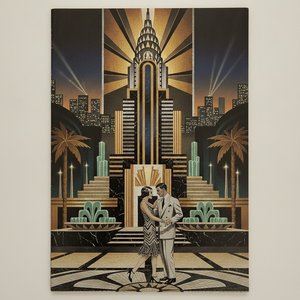
Explore the sophisticated world of Art Deco. Discover the history, geometric precision, and enduring glamour of this iconic 20th-century movement through an expert art-historical lens.


最新の美術ニュース、限定オファー、そしてインテリアのアイデアをいち早くお届けします。
お客様のプロジェクトについてお聞かせください。当社の美術専門家が、お客様に合わせた3つのパーソナライズされた芸術提案をご提供いたします。
あなたにぴったりの3作品を無料で厳選いたします


 プレビュー
プレビュー
 シェアする
シェアする シェアする
シェアする
 詳細を見る
詳細を見る

 ダウンロード
 似ている作品
 X線調査
X線調査 スライドショー
 詳細を見る
詳細を見る









 ガラスオプションは、110cm未満のサイズでのみご利用いただけます。


