x
 PaintingContemporary Realism
 1987Contemporary
 46.0 x 60.0 cm
 Kerala Museum
オンラインプレビューをはるかに凌ぐ、高解像度で鮮明なデジタル画像をご購入いただけます。
各ファイルは、社内の専門家が高度なツールと熟練した手作業によるレタッチを用いて、細心の注意を払って準備されています。すべての画像において、卓越した鮮明度、正確な色彩再現性、そして繊細なディテールを保証いたします。
最終ファイルは、プロフェッショナルな編集・印刷環境ですぐにご利用いただけるよう最適化された状態で、72時間以内にメールにてお届けいたします。これは、一流のデザインスタジオ、出版社、ギャラリーから信頼されているものと同等の品質です。
Most-Famous-Paintings.com を選ぶことは、単に画像を手に入れることではありません。それは、プロの手によって精密に仕上げられ、満足保証が付いた高品質なデジタルアートワークを受け取ることを意味します。ご注文いただいた際に自動的に付随する内容は、以下の通りです:

ご注文から72時間以内に、高解像度のデジタル画像ファイルがメールでお手元に届きます。すぐにそのままご利用いただけます。

お客様の作品は、高度なAIツールと専門家による手作業の編集を組み合わせてプロフェッショナルに最適化されており、細部のディテール、鮮明さ、そして正確な色再現性を最大限に引き出しています。

ファイルを誤って削除したり、紛失してしまったりしましたか?ご安心ください。いつでも無料で再送いたします。

関税や手数料、配送料を気にすることなく、お気に入りのアートワークをすぐにお楽しみいただけます。デジタルダウンロードは常に免税です。

プロ仕様のツールとカラーマネジメント技術を用いることで、デジタル画像が元の色を最大限に忠実に再現することを保証いたします。

ご購入いただいたデジタル画像にご満足いただけない場合は、60日以内であれば、修正または100%の返金(理由を問う必要はありません)をさせていただきます。

ご満足いただけない場合は、デジタルファイルを受け取ってから60日以内であれば、理由を問わず全額返金いたします。

3枚購入で10%OFF - 5枚購入で15%OFF - 10枚以上購入で20%OFF。クリエイティブなプロジェクト、ギャラリー、エージェンシーに最適です。
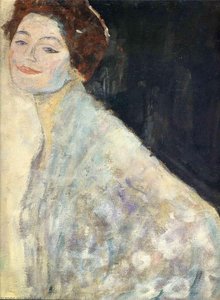
In the quietude of Amitabh Banerji’s 1987 masterpiece, Lady, viewers are invited into a space where reality and mystery converge. This evocative portrait captures a woman seated before a table, her features partially obscured by a delicate white veil that drapes softly over her head. The composition is far more than a mere study of a sitter; it is an exploration of the boundary between the seen and the unseen. Through the masterful use of light and shadow, Baner erji imbues the subject with a determined, almost piercing gaze that pierces through the translucent fabric, creating a profound psychological connection with the observer. The presence of two vases—one anchoring the right foreground and another receding into the soft shadows of the left—alongside a solitary bottle on the table, suggests a domestic stillness that is both intimate and deeply contemplative.
The technique employed in this work speaks to a sophisticated command of texture and atmosphere. The artist utilizes a palette that leans into the subtle nuances of light, allowing the white of the veil to act as a focal point of luminosity amidst a more muted, earthy environment. There is a palpable sense of weight to the objects in the room, yet the air itself feels heavy with unspoken narratives. This interplay of solid forms and ethereal textures creates a painterly depth that draws the eye inward, making each viewing an opportunity for new discoveries within the folds of the cloth or the shadows cast by the vessels.
Beyond its aesthetic allure, Lady carries a symbolic weight that resonates with collectors and decorators alike. The veil serves as a powerful metaphor for the layers of identity and the mysteries inherent in the human condition. It represents both protection and concealment, suggesting that much of our true essence remains hidden from the casual observer. For the interior designer, this piece offers a sophisticated anchor for a room, providing a conversation starter that adds intellectual depth to a curated space. Whether placed in a contemporary gallery setting or a classic study, the painting’s ability to evoke a sense of quiet drama makes it an invaluable acquisition for those seeking art that transcends simple decoration to offer true emotional resonance.

Born December 22, 1960, in the vibrant heart of New York City’s Lower East Side, Jean-Michel Basquiat emerged as a singular force in the art world during the late 1970s and early 1980s. His life was tragically cut short at the age of 27 on August 12, 1988, but his impact on contemporary art remains profound – a testament to his raw talent, uncompromising vision, and the potent fusion of street art, poetry, and social commentary that defined his work.
Basquiat’s early life was deeply intertwined with the burgeoning hip-hop culture of New York. Growing up in Brooklyn alongside his brother Antoine, he developed a keen awareness of racial inequality and urban decay – themes that would become recurring motifs in his art. His initial foray into the art world began as part of the graffiti duo SAMO (Street Art Method Of Operation) with Al Diaz. Together they plastered the city with cryptic epigrams, challenging established artistic conventions and engaging with the social landscape. This early collaboration laid the groundwork for Basquiat’s distinctive style, characterized by a rapid-fire delivery of words and images.
Following his split from Diaz in 1981, Basquiat embarked on a solo career, rapidly gaining recognition for his intensely personal and politically charged paintings. He quickly transcended the boundaries of graffiti, moving into formal painting with a distinctive aesthetic. His canvases were layered with text – often borrowed from encyclopedias, dictionaries, and medical textbooks – alongside fragmented images of skulls, crowns, musical instruments, and portraits. These elements weren’t simply decorative; they functioned as symbols representing identity, power, mortality, and the complexities of the African American experience.
Basquiat’s emergence coincided with the rise of neo-expressionism – a movement characterized by its rejection of minimalist abstraction and a return to figurative painting, often imbued with emotional intensity and subjective experience. Despite his youth and relative lack of formal training, Basquiat quickly gained acceptance within this circle of artists, including Julian Schnabel, David Salle, and Francesco Clemente.
His debut at the prestigious New Museum in 1982 marked a turning point, catapulting him to international fame. He became one of the youngest artists ever selected for the Whitney Biennial in 1983, further solidifying his position as a major figure in the contemporary art scene. His work was exhibited extensively throughout Europe and America, attracting critical acclaim and significant commercial success.
In 1985, Basquiat achieved another milestone when he became the youngest artist to ever participate in Documenta, the renowned international exhibition held every five years in Kassel, Germany. This event brought him unprecedented exposure and cemented his status as a global art star. His work was celebrated for its raw energy, intellectual depth, and unflinching portrayal of social issues.
Tragically, Basquiat’s career was cut short by a heroin overdose in August 1988. His death at the age of 27 shocked the art world and left behind an unfinished body of work. However, his legacy has only grown stronger over time.
Today, Basquiat's paintings command record-breaking prices at auction, demonstrating the enduring value of his artistic vision. His influence can be seen in countless contemporary artists who continue to explore themes of identity, social justice, and urban culture. His work remains a powerful reminder of the transformative potential of art as a means of challenging conventions, sparking dialogue, and confronting difficult truths.
Basquiat’s impact extends beyond the canvas; he is remembered as a symbol of artistic rebellion, a voice for marginalized communities, and an innovator who redefined the boundaries of contemporary art. His life and work continue to inspire and provoke reflection on issues that remain relevant today – a testament to his enduring brilliance.

1978 - , Germany


最新の美術ニュース、限定オファー、そしてインテリアのアイデアをいち早くお届けします。
お客様のプロジェクトについてお聞かせください。当社の美術専門家が、お客様に合わせた3つのパーソナライズされた芸術提案をご提供いたします。
あなたにぴったりの3作品を無料で厳選いたします


 プレビュー
プレビュー
 プリントを購入
 シェアする
シェアする シェアする
シェアする
 詳細を見る
詳細を見る

 ダウンロード
 似ている作品
 X線調査
X線調査 スライドショー
 詳細を見る
詳細を見る