x































作品のオリジナル比率に合わせた、当店の規定サイズからお選びください。

特定のフレームやスペースに合わせて、ご自身でサイズを指定することも可能です。選択されたサイズが元の画像の比率と一致しない場合、作品をトリミングするか、鏡面反射または単色での塗りつぶしによって画像を拡張いたします。制作を開始する前に、ご確認用のデジタルモックアップをお送りいたします。
画面上のプレビューには、実際のトリミングや拡張は反映されませんのでご注意ください。最終的な構図を正確に確認できるのは、モックアップのみとなります。
カスタムサイズも承っておりますが、元の比率を維持するためには、あらかじめ用意されたリストからサイズを選択することをお勧めいたします。

untitled (3063)
複製画のサイズ
Andy Warhol's “Untitled (3063)” isn’t merely a depiction of a woman lounging by an umbrella; it’s a carefully constructed tableau that encapsulates the anxieties and aspirations of 1960s America, viewed through the lens of Pop Art’s fascination with celebrity, consumerism, and the fleeting nature of fame. This silkscreen image, though its exact dimensions remain unknown, pulsates with a vibrant energy—a calculated collision of bright hues, bold patterns, and seemingly effortless cool. The composition immediately draws the eye to the central figure, a woman embodying both vulnerability and defiant glamour within her black bikini. Her posture suggests a relaxed contentment, yet there’s an underlying tension, a hint of observation that elevates the scene beyond simple leisure.
Warhol's signature technique—the silkscreen—is crucial to understanding the work’s impact. The process itself, involving transferring ink from a woodblock onto silk fabric and then pressing it onto paper, lends an almost mechanical quality to the image. This deliberate detachment from traditional painting methods mirrors Warhol’s broader critique of artistic conventions. He sought to strip away the romantic notions of authorship and skill, elevating mass production and repetition into forms of art. The resulting surface is remarkably smooth, almost photographic in its clarity, yet simultaneously retains a hand-crafted feel—a testament to Warhol's meticulous control over every detail.
The inclusion of the tennis ball, strategically placed near the woman’s hand, is particularly intriguing. It’s a commonplace object, instantly recognizable as a symbol of sport, competition, and American leisure. However, its presence here subtly shifts its meaning. Rather than representing athletic prowess, it becomes an emblem of superficiality—a fleeting pleasure, easily consumed and discarded. The two additional sports balls – one in the center and another on the right – further amplify this sense of distraction and the prioritization of spectacle over substance.
The green dress with red accents adds another layer to the composition’s complexity. Green is often associated with nature, tranquility, and renewal, while red signifies passion, energy, and even danger. Their juxtaposition creates a dynamic tension—a suggestion that the woman's idyllic scene is simultaneously alluring and potentially unsettling. The clock hanging on the wall above her introduces an element of time, subtly reminding us of the relentless march forward, the pressure to achieve, and the ephemeral nature of beauty.
To fully appreciate “Untitled (3063),” it's essential to consider the historical context in which it was created. The 1960s were a period of profound social and cultural upheaval, marked by the rise of consumerism, the Vietnam War protests, and the burgeoning youth counterculture. Warhol’s work reflects these anxieties and contradictions—celebrating the allure of celebrity while simultaneously critiquing the superficiality of mass media. His use of imagery drawn from advertising, comic books, and Hollywood films tapped into a collective consciousness saturated with visual stimuli.
Furthermore, Warhol's exploration of identity – particularly through his “superstars” – resonated deeply with the era’s fascination with celebrity culture. He blurred the lines between art and commerce, challenging traditional notions of artistic value and authorship. His Factory, a hub for artists, musicians, and socialites, became a microcosm of this shifting cultural landscape—a place where fame was both attainable and ultimately fleeting.
Most-Famous-Paintings offers meticulously crafted hand-painted reproductions of “Untitled (3063),” capturing the essence of Warhol's iconic style with exceptional detail and vibrancy. Our artists replicate the silkscreen technique, faithfully reproducing the smooth surface, bold colors, and subtle nuances of the original artwork. Each reproduction is created using archival-quality materials, ensuring its longevity and preserving the integrity of Warhol’s vision for generations to come. Whether you're a seasoned collector or simply seeking a stunning piece of Pop Art décor, our “Untitled (3063)” reproduction provides an authentic and captivating representation of this seminal work – a timeless reflection on American culture and the pursuit of fleeting moments.

1928年、ペンシルベニア州ピッツバーグの工業地帯でアンドリュー・ウォーホラ・ジュニアとして生まれたアンディ・ウォーホルは、芸術とセレブリティの境界線を再定義することになる人物でした。彼の幼少期は困難と芽生えつつある創造性の両方によって特徴づけられました。シデナム舞踏病と呼ばれる小児疾患により、長期間家の中に閉じ込められ、激しい内面世界を育み、芸術的表現が重要な発散口となりました。しかし、この時期は孤立したものではなく、彼の母親は彼に美術用具を与え、漫画や映画雑誌といった大衆的なイメージの絶え間ない流れを提供し、それが後に彼の象徴的なスタイルにとって基盤となるでしょう。彼はカーネギー工科大学で卓越した成績を収め、1949年に絵画デザインの学位を取得した後、商業イラストレーターとして成功することを志向してニューヨーク市への旅に出ました。この初期のアドバタイジングや雑誌での仕事は彼のスキルを磨き、大量生産に対する深い理解を育み、それが彼の芸術哲学の中核となる要素となりました。彼の独特な線描画はすぐに注目を集め、ファッション誌で成功を収め、独自の美意識を持つアーティストとしての評判を確立しました。
1960年代に入ると、ウォーホルは商業芸術の世界を超え、新進気鋭のポップアート運動における重要な人物として台頭しました。これは美術史における革命的な瞬間であり、伝統的な「ハイ」アートの概念に挑戦し、広告、漫画、そして大量生産されたオブジェクトといった大衆文化を芸術的探求のための正当な主題として受け入れました。ウォーホルはこれらの要素を描写するだけでなく、それらを高め、日常品をアメリカの消費主義の象徴的なシンボルへと変貌させました。この時期の彼の画期的な作品である『キャンベルのスープ缶』(1962)や『マリリン・ディプティク』(1962)は単なる絵画ではなく、大衆メディアの影響とイメージの商品化に関する声明でした。彼が採用したシルクスクリーン印刷技術は、このプロセスにおいて重要な役割を果たし、イメージの機械的な複製を可能にし、消費文化を鋭く観察していることを意図的に反映しました。この手法は単なる技術的な選択ではなく、概念的なものであり、反復、標準化、そして芸術と生産との境界線の曖昧さを強調しました。ウォーホルの芸術宇宙の中心には、「ファクトリー」がありました。それはニューヨーク市にある彼のスタジオであり、単なる作業スペース以上の存在でした。それは実験とコラボレーションの活気あるハブとなり、ドラッグクイーン、詩人、ボヘミアン、ミュージシャン、そして裕福なパトロンを引きつけました。ウォーホルが信じていたように、芸術はアクセス可能で世界と関わるものでなければならないという証でした。
ウォーホルの芸術的ビジョンは、消費財を超えて、セレブリティ、死、災害といった領域へと広がりました。これらのテーマは1960年代と70年代に進化する文化景観の中で深く共鳴しました。マリリン・モンロー、エルヴィス・プレスリー、エリザベス・テイラーなどの象徴的な人物の肖像画は単なる好ましい表現ではなく、名声、イメージ、そしてセレブリティのしばしば壊れやすい性質を探求するものでした。彼は彼らの容姿を描写するだけでなく、周囲を覆うオーラ—製造された華やかさと、その下にある脆弱性も捉えました。同時に、彼は自動車事故、電気椅子、暴動といったイメージで「ディザスター」シリーズを通じて、アメリカ社会の暗い側面にも対処しました。これらの作品は不穏で挑発的であり、視聴者に暴力と死について不快な真実に向き合うよう促しました。彼は伝統的な意味でのコメントを提供していません。むしろ、彼はこれらのイメージを客観的な態度で提示し、視聴者が自分自身の結論を導き出すことを可能にしました。このアプローチはしばしば反復と大胆な色によって特徴づけられ、魅力的でありながらも不穏な視覚効果を生み出しました。絵画の他に、ウォーホルは映画制作にも進出し、スリープ(1963)やチェルシー・ガールズ(1966)といった実験的な作品を製作し、芸術的表現の境界線をさらに押し広げました。彼はまた、ヴェルヴェット・アンダーグラウンドとコラボレーションし、彼らの象徴的なバナナアルバムカバーをデザインしました—これは彼の影響がファインアートの世界を超えて音楽や大衆文化にまで及んでいることを証明するものです。
アンディ・ウォーホルの美術界への影響は計り知れません。彼は芸術の従来の定義に挑戦し、ハイカルチャーとローカルチャーの境界線を曖昧にし、コンセプトアートやパフォーマンスアートといった新たな芸術運動への道を開きました。消費主義、セレブリティ文化、そして大衆メディアの探求は今日でも観客にとって共鳴しており、これらのテーマは現代社会の中心です。ウォーホルは単なるアーティストではありませんでした。彼は文化的現象であり、イメージの力とそれが知覚を形作る能力を理解していた先見の明のある人物でした。彼は当時まれであった時にゲイであることを公然と表明し、解放の象徴となり、社会規範に挑戦しました。彼の影響は、現代アートやファッションから音楽や映画まで、数多くの分野で見ることができます。世界中の主要な美術館—特にピッツバーグの故郷にあるアンディ・ウォーホル美術館—では彼の作品が展示されており、彼の遺産が世代を超えてアーティストと観客にインスピレーションを与え、挑発し続けることを保証しています。彼は私たちが芸術について考える方法を根本的に変えました。それは希少な追求から、アクセス可能で民主的であり、現代生活の日常的な経験と深く結びついたものへと変化しました。彼が「誰もが15分間の世界的な名声を得るだろう」と主張したことは、ソーシャルメディアやインスタントセレブリティの時代において奇妙に予見されており、人間の状態と名声の絶え間ない進化に対する彼の永続的な洞察を証明しています。
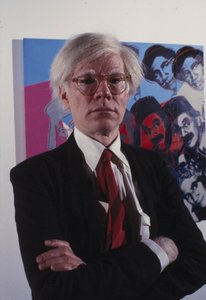
1928 - 1987 , アメリカ合衆国
アンディ・ウォーホルの傑作25選。ポップアートの革命からマリリン・モンローの肖像画まで、現代美術を代表する作品群を紐解きます。複製画やインテリアに最適なアートプリントも豊富。Most-Famous-Paintings.comで名画の世界へ。

Explore the revolutionary art of Andy Warhol & the Pop Art movement. Discover his iconic techniques, cultural impact, and investment potential. A guide for discerning collectors.

Explore the fascinating relationship between color & emotion in art history. Discover how master artists like Matisse & Gauguin used vibrant hues to evoke feelings and cultural meanings. A deep dive for classic art enthusiasts.
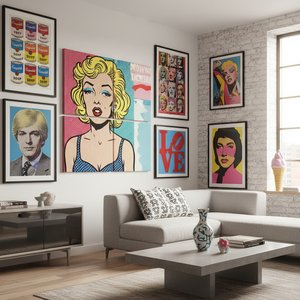
ポップアートを象徴する10の傑作。ウォーホル、リキテンスタイン…時代を彩る名画の世界を紐解き、その深遠なる魅力に触れる。Most-Famous-Paintings.comで、ミュージアムクオリティのアートプリントと洗練されたインテリアアイデアを発見してください。

Explore the captivating evolution of Pop Art through oil painting! Discover contemporary artists reinterpreting iconic imagery & invest in museum-quality reproductions. Expert art consultation at Most-Famous-Paintings.


最新の美術ニュース、限定オファー、そしてインテリアのアイデアをいち早くお届けします。
お客様のプロジェクトについてお聞かせください。当社の美術専門家が、お客様に合わせた3つのパーソナライズされた芸術提案をご提供いたします。
あなたにぴったりの3作品を無料で厳選いたします


 Preview
 手描き複製画を注文する
 シェアする
シェアする シェアする
シェアする
 詳細を見る
詳細を見る

 ダウンロード
 似ている作品
 X線調査
X線調査 スライドショー
 詳細を見る
詳細を見る









 ガラスオプションは、110cm未満のサイズでのみご利用いただけます。