


x































作品のオリジナル比率に合わせた、当店の規定サイズからお選びください。

特定のフレームやスペースに合わせて、ご自身でサイズを指定することも可能です。選択されたサイズが元の画像の比率と一致しない場合、作品をトリミングするか、鏡面反射または単色での塗りつぶしによって画像を拡張いたします。制作を開始する前に、ご確認用のデジタルモックアップをお送りいたします。
画面上のプレビューには、実際のトリミングや拡張は反映されませんのでご注意ください。最終的な構図を正確に確認できるのは、モックアップのみとなります。
カスタムサイズも承っておりますが、元の比率を維持するためには、あらかじめ用意されたリストからサイズを選択することをお勧めいたします。

St. Jerome
複製画のサイズ
Annibale Carracci's "St. Jerome in the Wilderness," painted around 1597-1600, is not merely a depiction of a biblical figure; it’s a profound exploration of inner turmoil and divine grace rendered with the dynamism and emotional intensity that defined the burgeoning Baroque style. This oil on canvas, currently housed at The Metropolitan Museum of Art in New York, offers a glimpse into the artist's masterful command of color, composition, and psychological depth – qualities that cemented Carracci’s place as a pivotal figure in Italian art history.
The scene unfolds within a stark, almost desolate landscape, dominated by towering rock formations and a bruised, stormy sky. St. Jerome, clad in the simple, earth-toned robes of a hermit, is positioned centrally, his posture conveying both physical exhaustion and an unwavering resolve. His face, etched with lines of hardship and contemplation, bears witness to years of self-imposed penance – a three-year fast undertaken as atonement for past sins. The artist skillfully captures the weight of this struggle through subtle shifts in expression; a furrowed brow, a downward gaze, and the clenched fist gripping a stone, used repeatedly to beat his chest in a desperate attempt to quell overwhelming temptations. Yet, amidst this palpable suffering, there’s an undeniable sense of serenity, a quiet acceptance that speaks volumes about the saint's spiritual journey.
Carracci’s technique is characterized by a remarkable synthesis of influences – a careful balance between the linear precision of Florentine masters like Raphael and the atmospheric richness of Venetian painters such as Titian. The painting's palette is rich and vibrant, utilizing deep blues, ochres, and browns to create a sense of dramatic depth and volume. Notice how Carracci employs *chiaroscuro* – the masterful use of light and shadow – to sculpt Jerome’s form and draw the viewer’s eye directly to his face, emphasizing his inner struggle. The swirling clouds in the background contribute to a feeling of movement and turbulence, mirroring the tempest within the saint's soul.
Furthermore, Carracci breaks from the static compositions favored by earlier Renaissance artists, injecting a sense of dynamism into the scene. Jerome is not presented as an idealized figure; he’s a man wrestling with his demons, caught in a moment of intense emotional and spiritual confrontation. This departure from traditional iconography reflects the Baroque emphasis on realism and psychological truth – a shift away from purely decorative representations towards works that aimed to evoke powerful emotions and engage the viewer on a deeper level.
The painting is laden with symbolic meaning, reflecting the broader religious context of the Counter-Reformation. The desert landscape represents Jerome’s isolation and spiritual wilderness, while the stone he beats his chest upon symbolizes the relentless battle against temptation. The angels ascending above him are not merely celestial messengers; they represent divine grace and the promise of redemption. The red cardinal's robe, visible on Jerome’s shoulders, is a potent symbol of his eventual elevation to the highest rank in the Church – a testament to his unwavering faith and dedication.
Interestingly, the composition echoes elements found in earlier depictions of St. Jerome, particularly those by Hieronymus Bosch, suggesting a shared visual vocabulary rooted in medieval iconography. However, Carracci’s interpretation is markedly more personal and emotionally charged, reflecting the artist's own spiritual struggles and his desire to convey the profound experience of conversion.
"St. Jerome in the Wilderness" stands as a powerful example of Carracci’s artistic genius – a testament to his ability to fuse technical mastery with emotional depth and symbolic richness. It's a painting that invites contemplation, prompting viewers to consider not only the saint’s personal journey but also their own struggles with faith, temptation, and redemption. Reproductions of this work capture much of its original impact, offering a window into the heart of the Baroque era and the enduring power of human spirituality.
1560年11月3日、イタリアのボローニャで生まれたアンニーバレ・カラッチは、芸術一家に育まれました。彼の最初の訓練は、家族の工房で行われた可能性が高く、その後のキャリアを大きく変える基礎が築かれました。当時のボローニャは、知的かつ芸術的な活気に満ちた都市でしたが、ローマやヴェネツィアから発せられる潮流からはやや距離がありました。この地方色豊かな状況が、アンニーバレ、彼の兄弟のアゴスティーノ、そして従兄弟のルдовиコといった若い芸術家たちに、新たな道を切り開く強い願望を抱かせました。それは、高ルネサンスの巨匠たちを見つめながらも、より自然主義的なアプローチを取り入れ、イタリア美術を活性化させるという野心的な試みでした。
1582年、この志は*インカミナティ・アカデミア*(Accademia degli Incamminati)、当初は「熱望する者のアカデミア」として具体化しました。これは単なる工房ではありませんでした。芸術的革新のるつぼであり、厳格なデッサン練習、活発な議論、そして集団的な卓越性の追求のための空間でした。アカデミアの名前自体—「進歩者たち」—が彼らの意図を示していました。それは、マニエリスムの様式的な複雑さから脱却し、より地に足がついた、感情に訴えかける表現へと新たな道筋を描くことでした。インカミナティ・アカデミアはヨーロッパ各地のアートアカデミーのモデルとなり、観察に基づく訓練が芸術教育の基盤として重視されるようになりました。
カラッチの芸術的ビジョンは、決して孤立して生まれたものではありませんでした。過去の巨匠たちの遺産との深い関わりを通して、丹念に練り上げられたものでした。彼は多様な影響を統合する並外れた能力を持っており、伝統に根ざしながらも驚くほど独創的な様式を作り出しました。ラファエロやアンドレア・デル・サルトの作品に見られる明快な線と構成のバランスを高く評価し、その優雅さと調和を模倣しようと努めました。しかし同時に、ティツィアーノのようなヴェネツィア派画家たちが提唱する色彩と大気効果の力も認識し、自身の作品に鮮やかな輝きと感情的な深みを与えました。
Correggioの影響は特に深く、彼のダイナミックな構図とイリュージョニズム技法—特にフレスコ画に見られるもの—が顕著です。彼は単にこれらの巨匠たちを模倣していたのではなく、彼らの強みを吸収し、新たなものを創造していました。この折衷的な融合こそがボローニャ派の特徴となり、古典主義的理想と自然主義的観察の両方を重視するバロック美術の重要な流れとなりました。カラッチの天才は、一見矛盾するように見える要素を調和させ、知的厳密さと感情的な力強さを兼ね備えた作品を生み出す能力にありました。
ファルネーゼ宮殿の装飾依頼は、アンニーバレ・カラッチのキャリアにおける転換点となりました。この壮大なプロジェクト—神話を題材とした広大なフレスコ画サイクルの制作—は、彼に比類のない機会を与え、その芸術的才能を大舞台で披露し、名声を確立することを可能にしました。*バッカスとアリアドネの勝利*(Triumph of Bacchus and Ariadne)は、おそらく彼の傑作であり、イリュージョニズム技法、ダイナミックな構図、そして鮮やかな色彩が息を呑むほど表現されています。フレスコ画は絵画と現実の境界線を曖昧にし、観客を神話的な壮大さの世界へと引き込みます。
*愛の神々*(The Loves of the Gods)もファルネーゼ宮殿で制作され、古典主義的理想と鋭い観察力を組み合わせた神話と愛のテーマを探求しました。これらの作品は単なる装飾ではありませんでした。それは芸術が人間の精神を高め、自然界の美しさを祝う力を持つことを示す声明でした。ローマでの成功は彼の地位を確固たるものとし、数多くの依頼を受け、次世代の画家たちに影響を与えました。
アンニーバレ・カラッチの芸術史への影響は計り知れません。彼は高ルネサンスとバロック時代を結びつける重要な役割を果たし、マニエリスムの様式的な複雑さから、よりダイナミックで感情を込めた美学へと移行しました。自然主義—解剖学的精度と心理的深みをもって人物を描くこと—を重視した彼の姿勢は、光と影の劇的な使い方でイタリア絵画に革命を起こしたカラヴァッジョのような画家たちの道を切り開きました。
カラッチとその同僚たちによって設立されたインカミナティ・アカデミアは、ヨーロッパ各地のアートアカデミーのモデルとなり、観察と古典主義的原則に基づいた芸術教育を推進しました。ファルネーゼ宮殿のフレスコ画はバロック様式のイリュージョニズムと芸術的壮大さの象徴として残り、その創造から何世紀も経った今でも畏敬の念と賞賛を集め続けています。カラッチとその家族—アンニーバレ、アゴスティーノ、そしてルдовиコ—の集団的な遺産は、深遠な革新性と永続的な影響力を持っており、ボローニャを芸術的創造の中心地として確立しました。
カラッチの作品は単なる技術的な熟練さだけではありませんでした。それは感情を伝え、物語を語り、人間の経験を祝うことについてでした。彼は美しさと意味の両方を兼ね備え、驚きと感動を呼び起こす芸術を生み出そうと努めました。彼の遺産は壮大な絵画だけでなく、彼が提唱した揺るぎない原則—観察へのコミットメント、伝統への敬意、そして世界を変える芸術の力—にも残っています。

1560 - 1609 , イタリア

エル・グレコの傑作25選:魂を揺さぶる宗教画の世界へ。スペイン絵画の巨匠、マニエリスム様式と Toledo の光彩を紐解きます。Most-Famous-Paintings.com で名画のアートプリントや複製画をお楽しみください。コレクションはこちら →
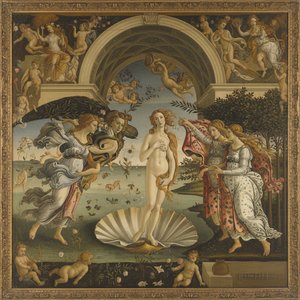
ボッティチェリの至宝25選。ルネサンス美術を代表する「春」「ヴィーナスの誕生」など、名画の物語と芸術史を紐解きます。Most-Famous-Paintingsで高品質な複製画やインテリアアートを見つけ、お部屋に永遠の美を。今すぐコレクションをご覧ください。
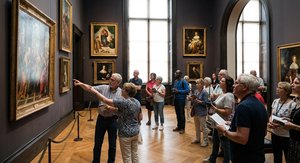
ミュンヘン・アルテ・ピナコテークの至宝25選。ドゥーラー、ラファエロ、レンブラントの名画を紐解き、ルネサンス美術とバロック美術の輝きをご堪能ください。Most-Famous-Paintingsで高品質なアートプリントや複製画を見つけ、お部屋に芸術の彩りを。今すぐコレクションをご覧ください。
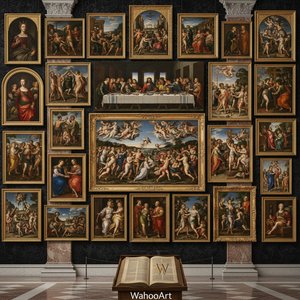
ジャコポ・ティンコレットの至高の25選。ドラマと光の世界を彩るヴェネツィア派巨匠の名画を紐解きます。ルネサンス絵画からバロック絵画まで、Most-Famous-Paintingsで高品質な複製画やインテリアアートを見つけましょう。傑作コレクションをオンラインで探求してください。

Explore the life & art of Annibale Carracci, a pivotal figure bridging Renaissance ideals with Baroque innovation. Discover his masterpieces and lasting influence on Italian painting.


最新の美術ニュース、限定オファー、そしてインテリアのアイデアをいち早くお届けします。
お客様のプロジェクトについてお聞かせください。当社の美術専門家が、お客様に合わせた3つのパーソナライズされた芸術提案をご提供いたします。
あなたにぴったりの3作品を無料で厳選いたします


 Preview
 手描き複製画を注文する
 シェアする
シェアする シェアする
シェアする
 詳細を見る
詳細を見る

 ダウンロード
 似ている作品
 X線調査
X線調査 スライドショー


 詳細を見る
詳細を見る









 ガラスオプションは、110cm未満のサイズでのみご利用いただけます。


