x































作品のオリジナル比率に合わせた、当店の規定サイズからお選びください。

特定のフレームやスペースに合わせて、ご自身でサイズを指定することも可能です。選択されたサイズが元の画像の比率と一致しない場合、作品をトリミングするか、鏡面反射または単色での塗りつぶしによって画像を拡張いたします。制作を開始する前に、ご確認用のデジタルモックアップをお送りいたします。
画面上のプレビューには、実際のトリミングや拡張は反映されませんのでご注意ください。最終的な構図を正確に確認できるのは、モックアップのみとなります。
カスタムサイズも承っておりますが、元の比率を維持するためには、あらかじめ用意されたリストからサイズを選択することをお勧めいたします。

Parnassus (study)
複製画のサイズ
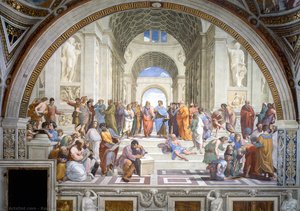
Anton Raphael Mengs' "Parnassus (Study)," painted in 1760, isn’t merely a depiction of a classical scene; it’s a carefully constructed meditation on knowledge, aspiration, and the burgeoning spirit of Neoclassicism. This intimate study, far removed from the grand scale of his later frescoes, offers an unparalleled intimacy with Mengs' artistic process – a rare opportunity to witness the genesis of a masterpiece. The painting captures a gathering around a statue of Apollo, the mythical patron of the arts and sciences, surrounded by figures engaged in various intellectual pursuits. It’s a tableau vivant, brimming with quiet contemplation and subtle gestures that speak volumes about the era’s fascination with reviving classical ideals.
Mengs' style here is distinctly Neoclassical, reflecting the artistic currents of 18th-century Europe. He meticulously adheres to the principles established by artists like Raphael and Michelangelo – a commitment to clarity, balance, and idealized forms. The composition is remarkably ordered; figures are arranged with deliberate precision, creating a sense of harmonious equilibrium. Note the careful use of light and shadow, which sculpts the forms and directs the viewer’s eye across the scene. The muted palette—dominated by earthy tones of ochre, brown, and grey—further enhances the painting's sense of restraint and intellectual seriousness. The background is deliberately vague, emphasizing the figures themselves and drawing attention to their interactions.
Beyond the obvious references to classical mythology and philosophy, “Parnassus (Study)” is rich in subtle symbolism. The inclusion of two bananas – a rather unexpected detail – has sparked considerable debate among art historians. Some interpret them as representing the fruits of knowledge, while others see them as a playful nod to contemporary trends or even a commentary on the fleeting nature of beauty and pleasure. The bowl on the table, filled with fruit, reinforces this theme of abundance and nourishment for the mind. The careful placement of each object contributes to the painting’s layered meaning, inviting viewers to engage in a deeper interpretation.
What truly distinguishes “Parnassus (Study)” is its intimate scale and evident preparatory nature. It’s not a finished masterpiece but rather a study, a glimpse into Mengs’ creative process. The brushstrokes are visible, revealing the artist's hand at work – a testament to his dedication and meticulous attention to detail. The painting exudes a sense of quiet reflection, suggesting that Mengs was not simply documenting a scene but grappling with fundamental questions about art, knowledge, and the role of the individual within society. It’s a poignant reminder that even in grand artistic endeavors, the most profound insights often emerge from moments of focused contemplation.
Reproductions of “Parnassus (Study)” offer a remarkable opportunity to bring this captivating artwork into your home or office. Each carefully crafted reproduction captures the painting's nuanced details and evocative atmosphere, allowing you to appreciate Mengs’ genius for generations to come.


1728 - 1779 , チェコ共和国

Explore the captivating Neo-Classical world of John William Godward. Discover his exquisite paintings, artistic influences, and investment potential. Expert analysis for discerning collectors.

Discover the art of commissioning bespoke oil paintings blending classical techniques with modern digital precision. Expert artists, personalized service & museum-quality results. Invest in a timeless masterpiece today.

Explore the life & work of Guido Reni, a master of Baroque classicism. Discover his iconic religious & mythological paintings, and understand his enduring influence on art history. Expert analysis for collectors.

Explore the rich history of figure painting with Most-Famous-Paintings. Discover Renaissance masterpieces, portraiture's evolution & the enduring power of human representation in art. Expert insights for collectors.

Explore 10 legendary acrylic paintings that revolutionized modern art! From Helen Frankenthaler's color fields to Richter’s abstract power, discover the stories behind these iconic masterpieces. Find museum-quality reproductions & elevate your home decor on Most-Famous-Paintings.com.


最新の美術ニュース、限定オファー、そしてインテリアのアイデアをいち早くお届けします。
お客様のプロジェクトについてお聞かせください。当社の美術専門家が、お客様に合わせた3つのパーソナライズされた芸術提案をご提供いたします。
あなたにぴったりの3作品を無料で厳選いたします


 手描き複製画を注文する
 シェアする
シェアする シェアする
シェアする
 詳細を見る
詳細を見る

 ダウンロード
 似ている作品
 X線調査
X線調査 スライドショー


 詳細を見る
詳細を見る









 ガラスオプションは、110cm未満のサイズでのみご利用いただけます。