


x
 Acrylic On CanvasWallArtGeorgian Portraiture
 1772
1772 54.0 x 54.0 cm
 National Trust




























作品のオリジナル比率に合わせた、当店の規定サイズからお選びください。

特定のフレームやスペースに合わせて、ご希望のサイズをご入力いただけます。選択されたサイズが元の画像の比率と異なる場合、アートワークをトリミングするか、手描きで要素を追加して絵画を拡張いたします。デジタルモックアップ を制作し、制作開始前にご確認(承認)をいただきます。
画面上のプレビューは、実際のトリミングや拡張を正確に反映しているものではありません。最終的な構図は、モックアップによってのみ正確にご確認いただけます。
カスタムサイズもご利用いただけますが、元の比率を維持するためには、あらかじめ用意されたリストからサイズを選択することをお勧めいたします。

Pike, Tench and Chub
複製画のサイズ
Arthur William Devis (1762–1822) stands as a pivotal figure in the landscape of Georgian portraiture, recognized primarily for his masterful execution of ‘conversation pieces,’ intimate depictions that captured not merely likeness but also social milieu. While overshadowed by later artistic trends—particularly Romanticism’s emphasis on dramatic emotion and sublime landscapes—Devis's work retains an enduring appeal due to its quiet elegance and meticulous attention to detail, offering a valuable glimpse into the sensibilities of his era.
Born in London in 1762, Devis descended from a lineage dedicated to artistic pursuits. Following closely in the footsteps of his elder brother Thomas Anthony Devis—also a painter—he embarked on an apprenticeship under the tutelage of Nicolas Antoine Jegouët, a Flemish topographical artist who instilled in him a foundational understanding of perspective and compositional balance. This formative experience decisively shaped Devis’s artistic trajectory, steering him away from grand narratives toward the nuanced portrayal of individuals within domestic settings.
“Pike, Tench and Chub,” painted circa 1772, exemplifies Devis's signature style—characterized by a restrained palette dominated by muted browns, creams, and ochres. The canvas showcases three fish specimens arranged on a richly textured surface, meticulously rendered with oil paint using glazing techniques that achieved remarkable luminosity and depth. These subtle tonal variations contribute to the painting’s overall atmosphere of serene contemplation.
Beyond its technical prowess, “Pike, Tench and Chub” resonates deeply with the intellectual currents of the Enlightenment. The inclusion of fish—particularly pike, tench, and chub—was a deliberate symbolic gesture reflecting the burgeoning interest in natural history and scientific observation prevalent during Devis’s lifetime. These aquatic creatures represented not merely beauty but also resilience and adaptability – qualities valued by thinkers grappling with questions of morality and human understanding.
Furthermore, the painting's placement within Kedleston Hall—a stately mansion owned by William Cavendish, 7th Duke of Devonshire—underscores its significance as a product of aristocratic patronage. The Duke’s fascination with natural history fueled his commissioning of Devis, demonstrating the role of wealthy patrons in fostering artistic innovation and disseminating knowledge.
“Pike, Tench and Chub” remains a testament to Devis's ability to distill complex ideas into visually arresting compositions. Its understated beauty—coupled with its intellectual underpinning—continues to captivate viewers today, cementing Devis’s place as one of the most accomplished portraitists of his generation.


1712 - 1787 , イギリス

Explore the life & work of Arthur William Devis (1762-1822), a key figure in Georgian portraiture and naval history painting. Discover his intimate 'conversation pieces' and captivating depictions of colonial India. Learn more at Most-Famous-Paintings.

Explore the life & work of John Hoppner, a leading Georgian portraitist. Discover his vibrant style, influential patrons, and lasting impact on British art history. Expert insights for collectors.
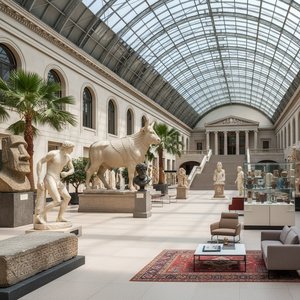
大英博物館の至宝25選:歴史を彩る絵画、彫刻の世界へ。印象派から古代美術まで、名作の背景と芸術家の情熱に迫ります。Most-Famous-Paintingsで高品質なアート複製やインテリアをお楽しみください。オンラインで全コレクションをご覧ください。

Explore the captivating world of Johann Zoffany, master portraitist of Georgian society. Discover his unique 'conversation pieces,' imperial commissions & lasting legacy. A guide for discerning collectors.

Explore the enchanting world of Arthur Rackham (1867-1939), a leading figure in British Golden Age illustration. Discover his iconic fairy tale art, classic book illustrations & lasting legacy. Learn more at Most-Famous-Paintings.


最新の美術ニュース、限定オファー、そしてインテリアのアイデアをいち早くお届けします。
お客様のプロジェクトについてお聞かせください。当社の美術専門家が、お客様に合わせた3つのパーソナライズされた芸術提案をご提供いたします。
あなたにぴったりの3作品を無料で厳選いたします


 プレビュー
プレビュー
 プリントを購入
 シェアする
シェアする シェアする
シェアする
 詳細を見る
詳細を見る

 ダウンロード
 似ている作品
 X線調査
X線調査 スライドショー
 詳細を見る
詳細を見る









 ガラスオプションは、110cm未満のサイズでのみご利用いただけます。


