


x































作品のオリジナル比率に合わせた、当店の規定サイズからお選びください。

特定のフレームやスペースに合わせて、ご自身でサイズを指定することも可能です。選択されたサイズが元の画像の比率と一致しない場合、作品をトリミングするか、鏡面反射または単色での塗りつぶしによって画像を拡張いたします。制作を開始する前に、ご確認用のデジタルモックアップをお送りいたします。
画面上のプレビューには、実際のトリミングや拡張は反映されませんのでご注意ください。最終的な構図を正確に確認できるのは、モックアップのみとなります。
カスタムサイズも承っておりますが、元の比率を維持するためには、あらかじめ用意されたリストからサイズを選択することをお勧めいたします。

the immaculate conception
複製画のサイズ
Bartolomé Esteban Murillo's "The Immaculate Conception" isn’t merely a painting; it’s an immersion into the heart of 17th-century Spanish faith and artistic innovation. Completed around 1680, this oil on canvas masterpiece, currently residing in the Museo de Arte de Ponce in Puerto Rico, transcends its religious subject matter to become a profound meditation on grace, purity, and divine presence. Murillo, born in Seville amidst personal tragedy – the early loss of both parents – channeled his experiences into a style characterized by luminous color palettes, soft lighting, and an extraordinary ability to capture the delicate nuances of human emotion. This work stands as a testament to his skill and a captivating window into the fervent religious atmosphere of his time.
The painting immediately draws the eye with its overwhelming sense of serenity and light. A radiant glow emanates from behind Mary, bathing her in an ethereal luminescence that seems to defy earthly constraints. This dramatic chiaroscuro – the skillful contrast between light and shadow – isn’t simply a stylistic choice; it serves to elevate the Virgin to a realm beyond the mundane, suggesting her connection to the divine. The composition is carefully orchestrated, guiding the viewer's gaze towards Mary at its center, surrounded by an array of angels and symbolic elements that reinforce her sanctity.
Murillo’s genius lies not just in his technical prowess but also in his masterful use of symbolism. The painting is rich with carefully chosen objects each carrying a potent religious significance. A book, open and resting at Mary's feet, represents her intellectual devotion and connection to scripture. A bowl, often interpreted as symbolizing humility and selflessness, further emphasizes her role as the vessel through which Christ was born. But perhaps the most striking symbol is the crescent moon, subtly placed in the upper left corner – a direct reference to the biblical vision of Saint John the Evangelist (Revelation 12:1), depicting “a woman clothed with the sun, with the moon under her feet.” This imagery powerfully conveys Mary’s purity and connection to both the earthly and celestial realms.
The swirling clouds in the background aren't merely decorative; they create a sense of depth and movement, drawing the viewer into the divine realm. The diagonal lines formed by Mary’s flowing robes and the positioning of the angels contribute to this dynamic effect, guiding the eye through the composition with effortless grace. Notice also the careful attention to detail in the rendering of the cherubs – their youthful faces brimming with innocence and adoration, mirroring the purity of the scene they surround.
Murillo’s technique is a remarkable blend of realism and idealism. He meticulously renders the textures of Mary's robes, the delicate folds of her garments, and the subtle details of the angels’ wings. Yet, he simultaneously imbues the scene with an ethereal quality, achieved through his masterful use of light and color. The smooth blending of colors, the visible brushstrokes that add depth and texture, and the overall sense of polished refinement are hallmarks of Murillo's distinctive style. His work reflects influences from earlier masters like Francisco de Zurbarán and Jusepe de Ribera, but he ultimately developed a unique voice—one characterized by warmth, tenderness, and an unparalleled ability to capture the emotional essence of religious subjects.
The painting’s flattened perspective, typical of Baroque art, prioritizes emotional impact over strict realism. Depth is created through layering and atmospheric perspective in the background clouds, further enhancing the sense of spatial depth without sacrificing the overall feeling of serenity and devotion. “The Immaculate Conception” isn't simply a depiction of a religious event; it’s an invitation to contemplate the profound mysteries of faith, grace, and divine love – a timeless masterpiece brought to life through Murillo’s extraordinary talent.


1618 - 1682 , スペイン

クロード・モネの傑作25選。印象派を代表する光の画家、モネの世界を旅しませんか?睡蓮や風景画など、名画の背景にある物語と芸術技法をご紹介。Most-Famous-Paintingsで高品質な複製画とインテリアアートを見つけましょう。全コレクションはこちら。
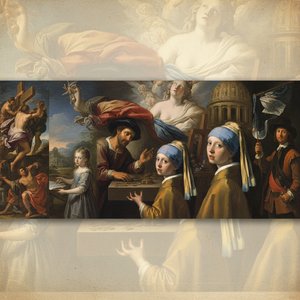
バロック美術の華!カラヴァッジョ、ベルニーニら巨匠が創り上げた10大名作を徹底解剖。ドラマチックな色彩と豪華絢爛の世界観に触れ、至宝のアートプリントで空間を彩ろう。Most-Famous-Paintings.comで美術館品質の複製と洗練されたインテリアを見つけましょう!

Journey through Baroque painting's glory! Explore 10 masterpieces by Caravaggio, Rembrandt & Vermeer. Discover dramatic lighting, rich colors & timeless stories. Find museum-quality art reproductions for your home at Most-Famous-Paintings.com.
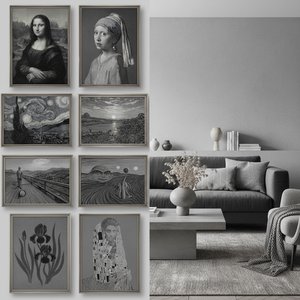
Explore 10 iconic gray paintings by masters like Rembrandt, Hopper & Whistler. Discover the stories behind these atmospheric artworks and find museum-quality art reproductions for your home decor at . Explore the full collection online.

Explore the captivating world of Bartolomé Esteban Murillo, a master of Spanish Baroque painting. Discover his luminous religious scenes, tender genre paintings & lasting legacy in Golden Age Seville. Learn more at Most-Famous-Paintings.


最新の美術ニュース、限定オファー、そしてインテリアのアイデアをいち早くお届けします。
お客様のプロジェクトについてお聞かせください。当社の美術専門家が、お客様に合わせた3つのパーソナライズされた芸術提案をご提供いたします。
あなたにぴったりの3作品を無料で厳選いたします


 手描き複製画を注文する
 シェアする
シェアする シェアする
シェアする
 詳細を見る
詳細を見る

 ダウンロード
 似ている作品
 X線調査
X線調査 スライドショー

 詳細を見る
詳細を見る









 ガラスオプションは、110cm未満のサイズでのみご利用いただけます。


