


x

迅速な制作と多彩な仕上げオプションを備えた、ミュージアムクオリティのジークレーまたはキャンバスプリント。 ( Switch to hand made Painting Switch to Image)
作品のオリジナル比率に合わせた、当店の規定サイズからお選びください。

特定のフレームやスペースに合わせて、ご自身でサイズを指定することも可能です。選択されたサイズが元の画像の比率と一致しない場合、作品をトリミングするか、鏡面反射または単色での塗りつぶしによって画像を拡張いたします。制作を開始する前に、ご確認用のデジタルモックアップをお送りいたします。
画面上のプレビューには、実際のトリミングや拡張は反映されませんのでご注意ください。最終的な構図を正確に確認できるのは、モックアップのみとなります。
カスタムサイズも承っておりますが、元の比率を維持するためには、あらかじめ用意されたリストからサイズを選択することをお勧めいたします。

Minerva
複製画のサイズ
Benvenuto Cellini's "Minerva," crafted in 1545 during the twilight of the High Renaissance, isn't merely a bronze sculpture; it’s a meticulously constructed embodiment of Roman virtue and strategic intellect. This imposing figure, standing nearly nine feet tall and housed within the hallowed halls of Florence’s Bargello Museum, commands attention not just through its scale but through the profound depth of its symbolism and the sheer virtuosity of Cellini's hand.
Cellini, a polymath renowned as a goldsmith, sculptor, and celebrated author of his own captivating autobiography, infused this work with the spirit of his era – a blend of Mannerist drama, classical ideals, and an undeniable flair for the theatrical. He wasn’t simply replicating a goddess; he was channeling her essence, imbuing the bronze with a palpable sense of power, wisdom, and strategic command. The sculpture represents Minerva, the Roman deity associated with intelligence, justice, and victory in battle – qualities that Cellini himself embodied throughout his extraordinary life.
The creation of "Minerva" is a testament to Cellini’s unparalleled skill as a sculptor. The piece exemplifies the lost-wax casting method, a technique demanding immense patience and precision. First, a wax model was meticulously crafted, capturing every nuance of Minerva's pose – her right arm raised in a gesture of authority, her left hand holding drapery that flows with dynamic grace. This delicate wax form was then encased in layers of clay, creating a robust mold. Once the clay hardened, it was carefully removed, revealing the wax model beneath. Finally, molten bronze was poured into the mold, filling every crevice and contour. Upon cooling, the mold was broken away, leaving behind the solid bronze sculpture.
Crucially, Cellini didn’t rely solely on the inherent beauty of the metal; he masterfully manipulated its surface to create a rich, complex patina – a layer of color achieved through controlled oxidation and polishing. The deep browns, ochres, and hints of reddish-browns aren't merely decorative; they enhance the sculpture’s three-dimensionality, highlighting the textures of the drapery, the musculature of Minerva’s body, and the subtle sheen of the bronze itself. This careful attention to surface detail elevates the work beyond a simple representation, transforming it into a truly immersive experience for the viewer.
Beyond its technical brilliance, "Minerva" is laden with symbolic meaning. The goddess’s posture – her raised arm and commanding gaze – immediately conveys authority and strategic thinking. Her attire, a flowing robe adorned with intricate folds, speaks to both dignity and grace. But it's the details that truly reveal Cellini’s intent. Minerva holds a shield, not of war, but one reflecting the image of the sea, symbolizing her dominion over both land and water – representing wisdom and strategy. The inclusion of marine creatures—horses, fish, and shells—further reinforces this connection to the ocean's depths, suggesting an understanding of hidden knowledge and strategic foresight.
The sculpture’s placement within the Loggia dei Lanzi in Florence is also significant. This open-air gallery, a showcase for Renaissance art, served as a public forum for artistic expression and intellectual debate. By placing "Minerva" here, Cellini sought to engage viewers in a contemplation of virtue, intellect, and the complexities of leadership – qualities that resonated deeply with the Florentine elite of his time.
“Minerva” stands as a pivotal work in Benvenuto Cellini’s oeuvre and a landmark achievement in Renaissance sculpture. It exemplifies the artist's mastery of technique, his profound understanding of symbolism, and his ability to capture the essence of classical ideals within a distinctly Mannerist style. More than just a beautiful object, it is a window into the mind of a remarkable artist – a testament to the enduring power of art to inspire, provoke thought, and transcend time.
16世紀イタリア・フィレンツェに生まれたベンヴェヌート・チェリーニは、単なる芸術家という枠を超え、金細工師、彫刻家、画家、軍人、そして作家として輝かしい足跡を残した稀有な人物です。彼の波乱万丈な生涯と、その才能が凝縮された作品群は、ルネサンス文化の華やかさと同時に、人間の情熱と葛藤を鮮やかに物語っています。チェリーニ自身が綴った自伝は、芸術史における貴重な一次資料であるだけでなく、一人の人間としての生き様を描いた文学作品としても高く評価されています。
チェリーニの生家は音楽一家であり、父は楽器職人でした。幼い頃から音楽的な素質を見せましたが、15歳の時、金細工師としての道を志し、アントニオ・ディ・サンドロ(マルコーネ)に弟子入りします。しかし、その若き日のチェリーニは決して平穏な日々を送っていたわけではありません。同年代の仲間との乱闘事件を起こし、フィレンツェから追放されるという苦い経験も経ています。その後、シエナで金細工師フラカストロのもとで修行を重ね、技術を磨き上げていきます。
チェリーニの作品は、その技巧の高さはもちろんのこと、ダイナミックな構図と写実的な表現が特徴です。特にフランソワ1世のために制作された銀製の塩壺は、彼の代表作として知られています。精緻を極めた装飾と躍動感あふれる人物像は、見る者を圧倒します。また、「ペルセウスとメデューサ」のブロンズ彫刻も、チェリーニの卓越した才能を示す傑作です。古典古代美術やミケランジェロの影響を受けながらも、彼独自の様式を確立し、マニエリスムという時代精神を体現しています。「レーダと白鳥」の金製メダルは、神話の世界を繊細な技術で表現した美しい作品です。
チェリーニの活動は芸術だけに留まりません。彼は軍人として要塞防衛戦に参加し、ローマを守るために活躍しました。また、宮廷ではコルネットやフルートを演奏するなど、音楽家としての顔も持ち合わせていました。しかし、彼が後世に名を残すことになったのは、やはり自伝の存在です。
自伝は単なる事実の羅列ではなく、チェリーニ自身が自身の才能を誇示し、行動を正当化するために書き上げられた自己像です。その信憑性には疑問も残りますが、ルネサンス期の生活を知る上で欠かせない一次資料として、現在でも多くの研究者に読まれています。
1571年にフィレンツェで亡くなったベンヴェヌート・チェリーニは、マニエリスムを代表する芸術家の一人として、その名を歴史に刻みました。彼の技術的な卓越性、芸術的な革新性、そして魅力あふれる自伝は、後世の芸術家たちに多大な影響を与え続けています。彼は、多様な分野で才能を発揮し、野心に燃えて個性を追求したルネサンス人の理想を体現しています。彼の作品は、その美しさ、技巧、そしてドラマティックな表現力によって、西洋美術史における重要な位置を占めています。

1500 - 1571 , イタリア

Explore the life & art of Benvenuto Cellini, Renaissance goldsmith & sculptor. Discover his iconic 'Perseus,' masterful techniques, and enduring legacy – a collector's essential guide.
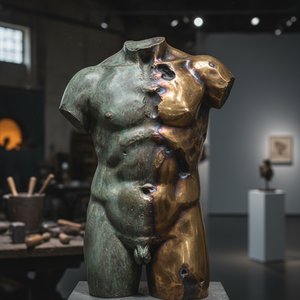
青銅彫刻の歴史、技法、現代における解釈を専門家が解説。古代から現代までの貴重な作品群を深く理解し、コレクションや投資に役立つ情報を提供します。美術品鑑定、修復についてもご紹介。

Explore the rich history & enduring appeal of bronze sculpture with expert insights for collectors at Most-Famous-Paintings. Learn about casting techniques, iconic artists, and collecting tips to build a discerning art collection.

Journey through art history with 10 legendary bronze sculptures – from Michelangelo's David to Rodin’s Thinker. Explore the stories, techniques & timeless beauty of these masterpieces. Find museum-quality reproductions & elevate your home decor on Most-Famous-Paintings.com.

Journey through art history with our Top 10 bronze sculptures! Explore masterpieces by Rodin, Michelangelo & more. Discover stories behind iconic statues and find museum-quality reproductions for your home decor at Most-Famous-Paintings.com.


最新の美術ニュース、限定オファー、そしてインテリアのアイデアをいち早くお届けします。
お客様のプロジェクトについてお聞かせください。当社の美術専門家が、お客様に合わせた3つのパーソナライズされた芸術提案をご提供いたします。
あなたにぴったりの3作品を無料で厳選いたします


 シェアする
シェアする シェアする
シェアする
 詳細を見る
詳細を見る

 ダウンロード
 似ている作品
 スライドショー


 詳細を見る
詳細を見る






































 ガラスオプションは、110cm未満のサイズでのみご利用いただけます。


