


x
迅速な制作と多彩な仕上げオプションを備えた、ミュージアムクオリティのジークレーまたはキャンバスプリント。 ( 手描きの絵画を購入 画像を購入)





























作品のオリジナル比率に合わせた、当店の規定サイズからお選びください。

特定のフレームやスペースに合わせて、ご自身でサイズを指定することも可能です。選択されたサイズが元の画像の比率と一致しない場合、作品をトリミングするか、鏡面反射または単色での塗りつぶしによって画像を拡張いたします。制作を開始する前に、ご確認用のデジタルモックアップをお送りいたします。
画面上のプレビューには、実際のトリミングや拡張は反映されませんのでご注意ください。最終的な構図を正確に確認できるのは、モックアップのみとなります。
カスタムサイズも承っておりますが、元の比率を維持するためには、あらかじめ用意されたリストからサイズを選択することをお勧めいたします。

Bacchus (detail)
複製画のサイズ
In the heart of the Baroque era, few names command as much reverence and intrigue as Michelangelo Merisi da Caravaggio. His masterpiece, Bacchus, serves as a breathtaking window into a world where the divine meets the deeply human. Created around 1596, this work is far more than a mere mythological depiction; it is an immersive sensory experience that captures a moment of suspended animation. As the viewer approaches the canvas, they are met with the direct, almost unsettling gaze of a youthful figure—a personification of Dionysus, the god of wine and ecstasy. There is a palpable tension in his expression, a delicate balance between the playful confidence of youth and a certain languid vulnerability that suggests the onset of intoxication. This psychological depth is what sets Caravaggio apart, transforming a classical subject into a living, breathing presence that seems to reach out from the shadows of history.
The composition is a masterclass in chiaroscuro, the dramatic interplay of light and dark that would become Caravaggio’s signature. The light does not merely illuminate; it sculpts. It catches the rim of the shallow wine goblet, highlights the dew-kissed skin of the fruit, and pulls the figure forward from a murky, atmospheric background. This technique creates a profound sense of three-dimensionality, making the textures of the velvet robes, the translucent grapes, and the heavy ceramic carafe feel almost tactile. For the discerning collector or interior designer, this dramatic lighting offers an unparalleled ability to anchor a room, providing a focal point that commands attention through its sheer physical presence and tonal richness.
Beyond the immediate visual impact lies a complex web of symbolism that speaks to the values of the late 16th-century Roman elite. The painting is an opulent tableau of fertility and vitality. Scattered across the stone ledge are apples and grapes, elements that serve as more than mere decoration; they are emblems of prosperity, divine blessing, and the cyclical nature of life. The ruby-red wine, overflowing within its vessel, acts as a potent metaphor for the intoxicating nature of pleasure and the fleeting beauty of youth. To behold this painting is to participate in a ritual of conviviality, an invitation extended by the god himself to join in the celebration of life's bountiful offerings.
Historically, such works were often commissioned by powerful patrons, like Cardinal Francesco Maria del Monte, to reflect their own sophisticated tastes and intellectual pursuits. The inclusion of classical motifs allowed the aristocracy to align themselves with the grandeur of antiquity. Today, a high-quality reproduction of Bacchus brings this same sense of historical prestige into a modern setting. Whether placed in a curated gallery space or as a bold statement piece in a contemporary dining room, the painting evokes an atmosphere of cultured elegance and timeless luxury. It is a piece that does not merely decorate a wall; it tells a story of human desire, artistic revolution, and the eternal allure of the beautiful.
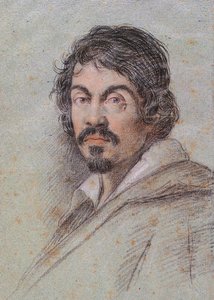
1571 - 1610 , スペイン

Explore the dramatic world of Baroque art! Discover iconic artists like Caravaggio & Rubens, defining techniques, and its lasting impact on art history. Expert insights for collectors & enthusiasts at Most-Famous-Paintings.

Explore the dramatic world of Baroque art! Discover iconic masters like Caravaggio & Rembrandt, their techniques, and the movement's lasting impact. Expert insights for collectors & enthusiasts at Most-Famous-Paintings.
バロック美術の華!カラヴァッジョ、ベルニーニら巨匠が創り上げた10大名作を徹底解剖。ドラマチックな色彩と豪華絢爛の世界観に触れ、至宝のアートプリントで空間を彩ろう。Most-Famous-Paintings.comで美術館品質の複製と洗練されたインテリアを見つけましょう!

Explore the dramatic world of Baroque painting! Discover its history, defining characteristics, iconic artists like Caravaggio & Rubens, and lasting influence on Western art. Expert insights for collectors.

Embark on a sophisticated journey through Italian Baroque art. Discover the dramatic interplay of light and emotion in Caravaggio’s masterpieces and explore how to bring this timeless grandeur into your collection with expert art insights.


最新の美術ニュース、限定オファー、そしてインテリアのアイデアをいち早くお届けします。
お客様のプロジェクトについてお聞かせください。当社の美術専門家が、お客様に合わせた3つのパーソナライズされた芸術提案をご提供いたします。
あなたにぴったりの3作品を無料で厳選いたします


 プレビュー
プレビュー
 シェアする
シェアする シェアする
シェアする
 詳細を見る
詳細を見る

 ダウンロード
 似ている作品
 X線調査
X線調査 スライドショー


 詳細を見る
詳細を見る









 ガラスオプションは、110cm未満のサイズでのみご利用いただけます。


