


x
 Renaissance
 1450
1450 25.0 x 16.0 cm




























作品のオリジナル比率に合わせた、当店の規定サイズからお選びください。

特定のフレームやスペースに合わせて、ご希望のサイズをご入力いただけます。選択されたサイズが元の画像の比率と異なる場合、アートワークをトリミングするか、手描きで要素を追加して絵画を拡張いたします。デジタルモックアップ を制作し、制作開始前にご確認(承認)をいただきます。
画面上のプレビューは、実際のトリミングや拡張を正確に反映しているものではありません。最終的な構図は、モックアップによってのみ正確にご確認いただけます。
カスタムサイズもご利用いただけますが、元の比率を維持するためには、あらかじめ用意されたリストからサイズを選択することをお勧めいたします。

De Sphaera
複製画のサイズ

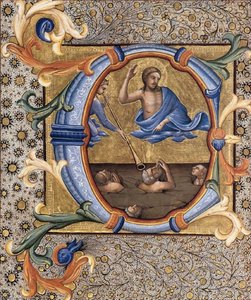
Cristoforo de Predis (c. 1440 – c. 1486) remains an enigmatic figure in the annals of Florentine art history, largely obscured by the brilliance of his contemporaries—Leonardo da Vinci and Michelangelo—yet undeniably significant for his contribution to the burgeoning humanist aesthetic of the Quattrocento.
Born deaf and mute in San Vincenzo near Prato, Cristoforo’s early life was marked by profound limitations that paradoxically fostered a unique perspective on artistic creation. His parents, Leonardo de Predis and Margaret Giussani, were prominent figures in Florentine society, fostering an environment where intellectual curiosity thrived—a circumstance that would prove crucial to his formative years.
Despite his disability, Cristoforo’s talent for illumination quickly emerged, attracting the patronage of influential families like the Borromeo. His distinctive style – characterized by meticulous detail and a masterful understanding of color palettes – distinguished him from many other artists of his time. He embraced the humanist ideals championed by Pico della Mirandola and Marsilio Ficino, reflecting these philosophical currents in his artistic endeavors.
Cristoforo’s oeuvre comprises four extant manuscripts, primarily illuminated Gospels and Psalters, demonstrating a remarkable command of technique and stylistic innovation. Notably, the Borromeo Book of Hours stands as a testament to his skill—a lavishly decorated manuscript featuring intricate floral borders and vibrant pigments that exemplify the artistic fervor of Florence during the Renaissance.
Leonardo da Vinci himself recognized Cristoforo’s exceptional abilities, recounting an encounter where he remarked on the profound wisdom gleaned from individuals devoid of speech. This anecdote underscores the broader humanist preoccupation with sensory experience and intellectual contemplation—themes that resonate throughout Cristoforo’s artistic output.
Cristoforo de Predis's contribution to Renaissance art lies not merely in his technical prowess but also in his embodiment of humanist ideals – a silent witness to an era defined by intellectual exploration and artistic flourishing. His work continues to fascinate scholars today, prompting ongoing debates about the role of disability in fostering creativity and shaping artistic vision.

APS ofrece reproducciones de bellas artes y encargos personalizados desde 2004. Confían en nosotros corporaciones, hoteles y coleccionistas selectos para obras de arte de calidad museística, servicio discreto y soluciones artísticas completas. ¡Póngase en contacto con nosotros para obtener un presupuesto personalizado!
ゴヤ傑作25選:ロマン主義を代表するスペインの巨匠、フランシスコ・デ・ゴヤの世界へ。黒衣の女からマハまで、魂を揺さぶる絵画の物語と技法を紐解きます。Most-Famous-Paintingsで高品質なアートレプリカを見つけ、インテリアに深みと風格を。今すぐコレクションをご覧ください。

Découvrez notre histoire ! Nous apportons l'art de classe mondiale dans votre vie grâce à une sélection experte, des créations personnalisées et des aperçus gratuits. Approuvé par les particuliers et les entreprises depuis 2000.
Explore the captivating world of Pieter de Hooch, a master of Dutch Golden Age painting. Discover his innovative use of light, intimate domestic scenes, and lasting influence on art history. Learn more at Most-Famous-Paintings.

Explore the revolutionary De Stijl movement & Neo-Plasticism with our expert guide. Discover Piet Mondrian, Theo van Doesburg, and the lasting impact of this influential art style. Learn about collecting & investing in De Stijl masterpieces.


最新の美術ニュース、限定オファー、そしてインテリアのアイデアをいち早くお届けします。
お客様のプロジェクトについてお聞かせください。当社の美術専門家が、お客様に合わせた3つのパーソナライズされた芸術提案をご提供いたします。
あなたにぴったりの3作品を無料で厳選いたします


 プレビュー
プレビュー
 プリントを購入
 シェアする
シェアする シェアする
シェアする
 詳細を見る
詳細を見る

 ダウンロード
 似ている作品
 X線調査
X線調査 スライドショー
 詳細を見る
詳細を見る









 ガラスオプションは、110cm未満のサイズでのみご利用いただけます。




![Vida De Miguel De Cervantes Saavedra (life Of Miguel De Cervantes Saavedra). Book V Of The Edition Of Don Quixote (biblioteca Nacional De España)\n\n[7] — Martín Fernández De Navarrete Y Ximénez De Tejada, Academic Art](/media/artworks/images/thumbnails/99/f9/99f969c294754562907a5ffd062310fa.jpg)

