x
 Acrylic On CanvasWallArtLate 19th Century Realism
 1882
1882 371.0 x 416.0 cm
 アーティゾン美術館




























作品のオリジナル比率に合わせた、当店の規定サイズからお選びください。

特定のフレームやスペースに合わせて、ご希望のサイズをご入力いただけます。選択されたサイズが元の画像の比率と異なる場合、アートワークをトリミングするか、手描きで要素を追加して絵画を拡張いたします。デジタルモックアップ を制作し、制作開始前にご確認(承認)をいただきます。
画面上のプレビューは、実際のトリミングや拡張を正確に反映しているものではありません。最終的な構図は、モックアップによってのみ正確にご確認いただけます。
カスタムサイズもご利用いただけますが、元の比率を維持するためには、あらかじめ用意されたリストからサイズを選択することをお勧めいたします。

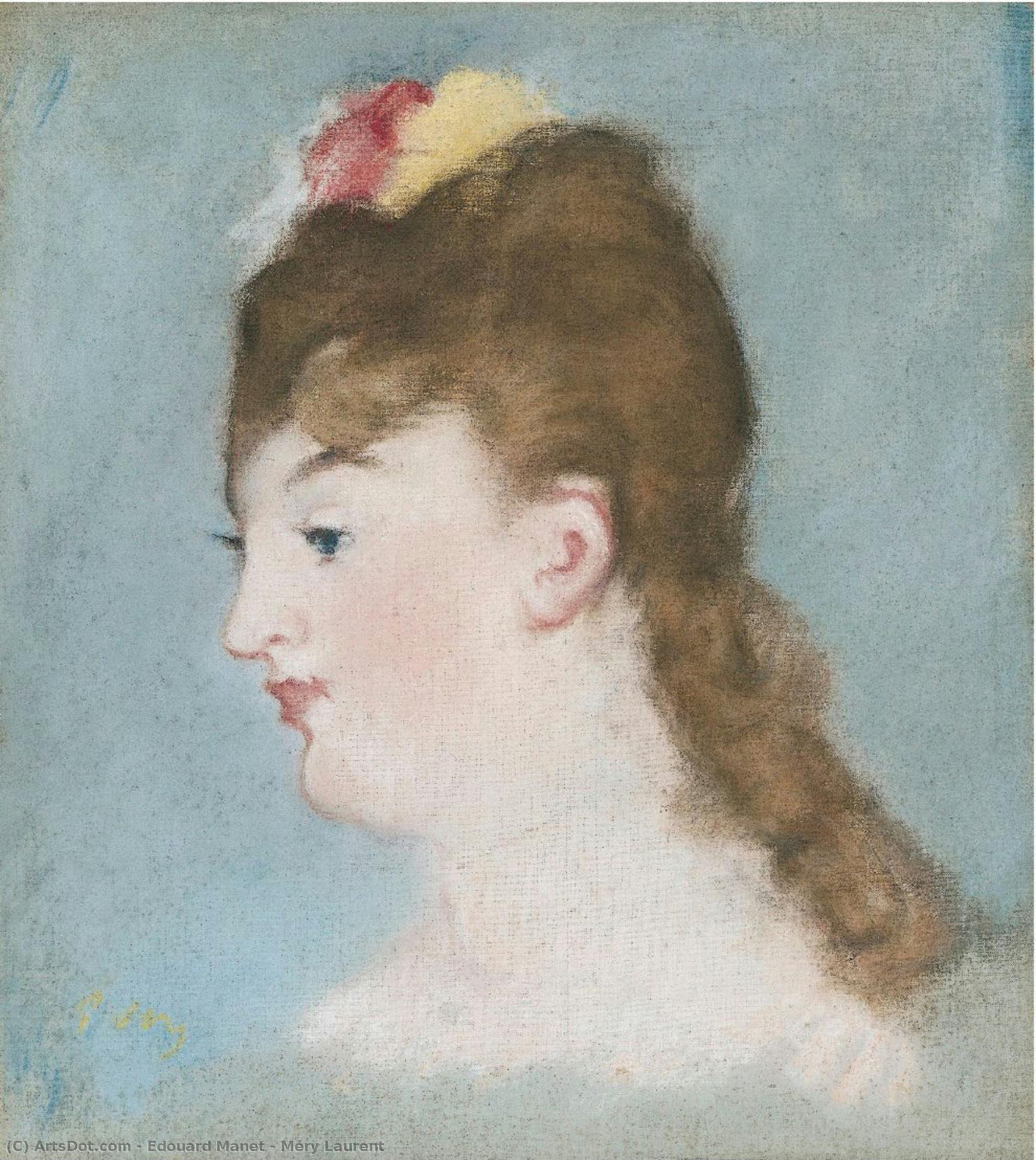
Méry Laurent
複製画のサイズ
Édouard Manet's "Méry Laurent," painted in 1882, isn’t merely a portrait; it’s a carefully constructed tableau vivant – a snapshot of modern Parisian life imbued with an undeniable sense of melancholy and quiet observation. The painting captures Méry Laurent, a young woman known for her beauty and captivating presence at the Café de la Nouvelle Athènes, a hub for artists and intellectuals in Montmartre. Manet, a pivotal figure bridging Realism and Impressionism, masterfully renders this fleeting moment, inviting us into a world of artistic ferment and subtle social commentary.
Manet's approach to painting in "Méry Laurent" deliberately departs from the academic traditions that still held sway at the time. He eschews meticulous detail, favoring a looser brushstroke and a flattened perspective – a technique influenced by his study of Velázquez’s use of light and shadow. Notice how he doesn’t attempt to create an illusion of depth; instead, he presents a carefully composed arrangement of figures within a shallow space, drawing our attention directly to Méry Laurent herself. The painting's palette is restrained, dominated by muted earth tones – ochres, browns, and greys – punctuated by the vibrant yellow of her bow, a deliberate focal point that draws the eye and subtly suggests a touch of artificiality or theatricality. Manet’s use of *alla prima* (wet-on-wet) painting further contributes to the immediacy and spontaneity of the work.
“Méry Laurent” is more than just a likeness; it’s a carefully constructed statement about the changing social landscape of Paris in the late 19th century. Méry Laurent herself was a celebrated figure, known for her beauty and her association with artists like Degas and Renoir. Manet's portrayal captures her enigmatic gaze – she seems to be looking directly at the viewer, inviting an intimate connection. However, there’s also a sense of detachment, as if she’s observing the scene rather than actively participating in it. The Café de la Nouvelle Athènes was a space where artistic and intellectual ideas were debated and challenged, and Manet subtly reflects this atmosphere within the painting. The inclusion of the bow, a fashionable accessory at the time, hints at the superficiality and artificiality that sometimes accompanied Parisian society.
Despite its seemingly simple composition, “Méry Laurent” possesses a profound emotional resonance. There’s a palpable sense of melancholy woven into the fabric of the painting – perhaps reflecting Manet's own struggles with recognition and artistic acceptance. Méry Laurent’s expression is ambiguous; it could be interpreted as sadness, contemplation, or simply a quiet awareness of her own beauty. The painting captures a fleeting moment in time, a transient glimpse of beauty and social life that speaks to the ephemeral nature of existence. It's this delicate balance between observation and emotion that makes "Méry Laurent" such a compelling and enduring work of art.
Most-Famous-Paintings offers exquisite, hand-painted reproductions of Édouard Manet’s “Méry Laurent,” allowing you to bring this iconic masterpiece into your home or office. Our meticulous attention to detail and use of archival quality materials ensures that the reproduction faithfully captures the original's atmosphere and emotional depth. Explore our collection today and experience the timeless allure of Manet’s Parisian vision.


1832 - 1883 , フランス
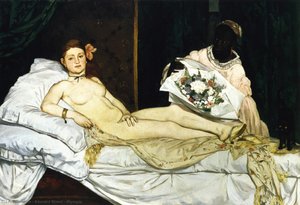
エドゥアール・マネの傑作25選🎨印象派を代表する画家、マネの世界を旅する。油絵「草上の昼食」や「オランピア」…革新的な色彩とモダンアートの魅力をMost-Famous-Paintingsで。高品質なアートプリントで、お部屋に芸術を🖼️

Explore the life & art of Édouard Manet, a pivotal figure bridging Realism and Impressionism. Discover his revolutionary techniques, controversial masterpieces like 'Olympia,' and lasting impact on modern art history.
印象派を代表する10傑の世界へ。モネ、ルノワールら巨匠の技と色彩が織りなす至高の名作を紐解きます。美術、インテリアに新たなインスピレーションを。Most-Famous-Paintings.comで、博物館品質のアート複製と洗練された空間演出を見つけましょう。

Journey through Impressionistic Realism with 10 iconic masterpieces by Monet, Renoir & Van Gogh. Explore art history, techniques & find museum-quality reproductions for your home at Most-Famous-Paintings.com. Discover all masterpieces online!

Journey through Impressionism's heart with 10 iconic paintings by Monet, Renoir & Degas. Explore light, color & the stories behind these masterpieces. Find museum-quality art reproductions and elevate your home decor on Most-Famous-Paintings.com.


最新の美術ニュース、限定オファー、そしてインテリアのアイデアをいち早くお届けします。
お客様のプロジェクトについてお聞かせください。当社の美術専門家が、お客様に合わせた3つのパーソナライズされた芸術提案をご提供いたします。
あなたにぴったりの3作品を無料で厳選いたします


 プレビュー
プレビュー
 プリントを購入
 シェアする
シェアする シェアする
シェアする
 詳細を見る
詳細を見る

 ダウンロード
 似ている作品
 X線調査
X線調査 スライドショー
 詳細を見る
詳細を見る









 ガラスオプションは、110cm未満のサイズでのみご利用いただけます。