作品詳細説明
A Portrait of Modernity: Examining Édouard Manet’s “The Guitar Player”
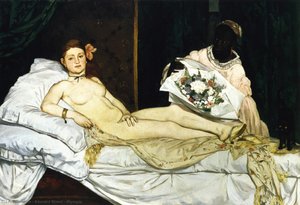
Édouard Manet's "The Guitar Player," completed in 1866, stands as a pivotal work within the burgeoning Impressionist movement—though ironically, Manet himself vehemently rejected the label. This painting isn’t merely a depiction of a musician; it’s a deliberate provocation, a challenge to artistic conventions that defined the era and cemented Manet's reputation as a rebellious innovator. Examining its intricacies reveals layers of meaning beyond its surface beauty, offering insights into both the artist’s vision and the anxieties surrounding societal change in late nineteenth-century Paris.
Subject Matter and Composition: Capturing Everyday Life
Manet eschewed grand historical narratives or mythological allegories—a conscious decision to break away from the academic tradition that dominated artistic circles at the time. Instead, he focused on a seemingly unremarkable scene: a man playing guitar in a dimly lit room. This choice wasn’t accidental; Manet aimed to elevate the commonplace into something profound. The inclusion of two birds – perched on the guitarist's shoulder and hovering near the upper left corner—adds an element of surrealism, hinting at themes of freedom and contemplation. The composition itself is strikingly simple yet masterful. Manet utilizes a flattened perspective, rejecting the illusionistic depth favored by earlier painters like Raphael or Michelangelo. This deliberate flatness emphasizes the canvas as a surface, mirroring the flatness of modern life and rejecting the idealized beauty of Romantic art.
Style and Technique: Impressionistic Brushstrokes
Despite his refusal to embrace Impressionism formally, Manet’s technique undeniably aligns with its principles. He employs loose, visible brushstrokes—characteristic of Impressionist painters—to capture fleeting moments of light and shadow. Unlike academic painting where meticulous detail was paramount, Manet prioritizes capturing the atmosphere rather than precise representation. The muted palette – dominated by browns, yellows, and blues – contributes to the overall sense of stillness and intimacy. Notice how Manet skillfully renders the guitar’s surface with textured brushstrokes, conveying its materiality without resorting to photographic realism. This technique underscores Manet's commitment to portraying reality as perceived by the senses—a cornerstone of Impressionist philosophy.
Historical Context: Scandal and Artistic Debate
“The Guitar Player” debuted at the Salon of 1866 amidst considerable controversy. Critics condemned it for its lack of finish, its disregard for academic standards, and its unsettling portrayal of human flesh. The painting’s unflattering depiction of the guitarist's physique—particularly his muscular torso—was seen as vulgar and unacceptable by many viewers accustomed to idealized representations of male beauty. This reaction stemmed from a broader societal debate about artistic freedom and the role of art in reflecting contemporary life. Manet’s audacious gesture – presenting an ordinary subject with the grandeur typically reserved for portraits – challenged the established hierarchy of genres and provoked intense discussion about what constituted “good” art.
Symbolism and Emotional Impact: Dignity Amidst Discomfort
Beyond its formal innovations, "The Guitar Player" resonates with deeper symbolic meanings. The guitar itself represents artistry and contemplation—a deliberate contrast to the prevailing obsession with spectacle and grandeur. The birds symbolize freedom and aspiration, suggesting that even in mundane circumstances, one can strive for something higher. More importantly, the painting evokes a feeling of melancholy and introspection. Manet’s masterful use of light and shadow creates an atmosphere of quiet solitude, inviting viewers to contemplate the complexities of human experience. It's a portrait not merely of a musician but of a man grappling with his own identity within a rapidly changing world—a timeless reflection on beauty, vulnerability, and artistic defiance.



 手描きの絵画を購入






 プレビュー
プレビュー
 シェアする
シェアする シェアする
シェアする
 詳細を見る
詳細を見る

 ダウンロード
 似ている作品
 X線調査
X線調査 スライドショー


 詳細を見る
詳細を見る






































 ガラスオプションは、110cm未満のサイズでのみご利用いただけます。