x
迅速な制作と多彩な仕上げオプションを備えた、ミュージアムクオリティのジークレーまたはキャンバスプリント。 ( 手描きの絵画を購入 画像を購入)





























作品のオリジナル比率に合わせた、当店の規定サイズからお選びください。

特定のフレームやスペースに合わせて、ご自身でサイズを指定することも可能です。選択されたサイズが元の画像の比率と一致しない場合、作品をトリミングするか、鏡面反射または単色での塗りつぶしによって画像を拡張いたします。制作を開始する前に、ご確認用のデジタルモックアップをお送りいたします。
画面上のプレビューには、実際のトリミングや拡張は反映されませんのでご注意ください。最終的な構図を正確に確認できるのは、モックアップのみとなります。
カスタムサイズも承っておりますが、元の比率を維持するためには、あらかじめ用意されたリストからサイズを選択することをお勧めいたします。

untitled (9426)
複製画のサイズ
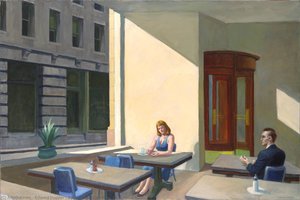
Edward Hopper’s “Untitled (9426),” a stark black and white depiction of a late-night train journey, isn’t merely a snapshot of a rural landscape; it’s a profound meditation on isolation, modernity, and the quiet anxieties simmering beneath the surface of American life. Painted in 1931, during a period of rapid industrialization and social change, this work encapsulates Hopper's signature style – a masterful blend of realism and psychological depth that continues to resonate with viewers today. The painting’s power lies not in dramatic action or vibrant color, but in its carefully constructed stillness, inviting the viewer to contemplate the solitary figures within and the vast, indifferent expanse surrounding them.
The scene is deceptively simple: a train, rendered in meticulous detail against a backdrop of rolling hills and a darkening sky, snakes its way along the tracks. Smoke billows from its engine, hinting at movement yet simultaneously reinforcing the sense of suspended time. A single passenger sits within one of the carriages, their face obscured, lost in thought – or perhaps simply observing. The composition is dominated by horizontal lines, mirroring the train’s trajectory and creating a feeling of relentless forward motion, while vertical elements—the tracks themselves—suggest an inescapable path. Hopper's use of light is particularly striking; it’s diffused and cool, casting long shadows that emphasize the emptiness of the landscape and the vulnerability of the figures within.
Edward Hopper was a chronicler of the American experience in the early 20th century, a period marked by both unprecedented prosperity and a growing sense of alienation. His art wasn't about grand narratives or heroic figures; instead, he focused on the small, everyday moments that revealed the complexities of human relationships and the often-unspoken emotions of his subjects. As Hopper himself famously stated, “Unconsciously, probably, I was painting the loneliness of a large city.” This sentiment is powerfully conveyed in "Untitled (9426)." The train, a symbol of travel and connection, ironically becomes a vehicle for isolation, transporting its passenger away from familiar surroundings and deeper into an unknown future. The lack of interaction between the figures—the solitary traveler and the unseen occupants of the other carriages—underscores this theme.
Hopper’s artistic lineage is complex, drawing inspiration from both realism and a subtle influence from the Ashcan School painters who documented the gritty realities of urban life. However, Hopper transcends mere imitation; he imbues his scenes with a distinctly psychological dimension. His meticulous attention to detail—the texture of the train's upholstery, the sheen on the tracks, the subtle nuances of light and shadow—creates an immersive experience for the viewer, drawing them into the painting’s quiet drama. The deliberate ambiguity of the scene – who is this passenger? Where are they going? What thoughts occupy their mind? – invites endless interpretation and ensures that the work remains perpetually relevant.
“Untitled (9426)” was executed in oil on canvas, a medium Hopper favored for its ability to capture subtle tonal variations and create a sense of depth. The painting’s monochrome palette—primarily shades of gray and black—further enhances the mood of melancholy and isolation. Hopper's technique is characterized by precise brushwork and a careful layering of colors, creating a surface that appears both smooth and textured. He employed a limited range of values to create strong contrasts between light and shadow, emphasizing form and volume. The painting’s composition—a carefully balanced arrangement of elements—contributes to its overall sense of stability and quiet contemplation.
Painted in 1931, “Untitled (9426)” reflects the anxieties and uncertainties of the interwar period. The Great Depression had profoundly impacted American society, leading to widespread unemployment and economic hardship. Hopper’s art captured this sense of unease, reflecting a growing awareness of social fragmentation and the psychological toll of modern life. The painting's enduring appeal lies in its ability to tap into universal themes—loneliness, isolation, and the search for meaning—that continue to resonate with audiences today. Reproductions of this iconic work offer a powerful window into Hopper’s artistic vision and a poignant reflection on the human condition.


1931 - 1967 , アメリカ合衆国

Explore the profound history of American Regionalism. Discover how Grant Wood captured the heart of the Midwest through masterpieces like American Gothic. An expert guide to the movement, its cultural impact, and the enduring beauty of American Realism.

Explore the raw, evocative beauty of the Ashcan School. Discover how masters like Bellows and Glackens captured New York's urban soul through American Realism, and learn to bring this gritty, historical elegance into your modern art collection.


最新の美術ニュース、限定オファー、そしてインテリアのアイデアをいち早くお届けします。
お客様のプロジェクトについてお聞かせください。当社の美術専門家が、お客様に合わせた3つのパーソナライズされた芸術提案をご提供いたします。
あなたにぴったりの3作品を無料で厳選いたします


 プレビュー
プレビュー
 シェアする
シェアする シェアする
シェアする
 詳細を見る
詳細を見る

 ダウンロード
 似ている作品
 X線調査
X線調査 スライドショー
 詳細を見る
詳細を見る









 ガラスオプションは、110cm未満のサイズでのみご利用いただけます。