ウィッシュリスト ショッピングカート Cart
PreviewPreview プリントを購入 プリントを購入画像を 購入する 画像を 購入する シェアするシェアする
詳細を見る詳細を見る お気に入りに追加 お気に入りに追加 ダウンロードダウンロード 似ている作品似ている作品 X線調査X線調査 スライドショースライドショー

Edward Wolfe

  • 制作日1920
  • 寸法90.0 x 59.0 cm

Edward Wolfe RA (1897-1982) was a British artist associated with the Bloomsbury Group & Omega Workshops. Known for vibrant portraits, still lifes, landscapes, and travel paintings influenced by Matisse. His work is held in major UK collections.

手描き油彩複製画

当社のアーティストが、お客様のご希望のサイズと額縁に合わせて、キャンバスに手描きで制作する油彩画です。

Standard
custom
CM
INCH

作品のオリジナル比率に合わせた、当店の規定サイズからお選びください。

高さ

特定のフレームやスペースに合わせて、ご希望のサイズをご入力いただけます。選択されたサイズが元の画像の比率と異なる場合、アートワークをトリミングするか、手描きで要素を追加して絵画を拡張いたします。デジタルモックアップ を制作し、制作開始前にご確認(承認)をいただきます。
画面上のプレビューは、実際のトリミングや拡張を正確に反映しているものではありません。最終的な構図は、モックアップによってのみ正確にご確認いただけます。
カスタムサイズもご利用いただけますが、元の比率を維持するためには、あらかじめ用意されたリストからサイズを選択することをお勧めいたします。

カスタマイズの例:顔をお客様の写真に置き換える、ペットを追加する(例:猫を犬に変更)、背景に隠れたメッセージを入れる、背景の風景や要素を変更するなど。
ご注文後、Most-Famous-Paintings.com チームより詳細な指示をお送りするとともに、仕上がりイメージ(モックアップ)をご提供いたします。

世界中への配送()は、通常の5週間ではなく、3〜4週間でお届けいたします。(24 7月)。品質には一切妥協いたしません。

why_choose_icon
世界中へ無料エクスプレス配送
why_choose_icon
高品質なリネンキャンバス
why_choose_icon
配送時完全保険付
why_choose_icon
関税・輸入税の払い戻し保証
why_choose_icon
忠実な色彩再現保証
why_choose_icon
60日間返品保証(製造上の欠陥のみ)
why_choose_icon
100% 全額返金保証
why_choose_icon
まとめ買い割引のご案内

合計金額

-

reproduction

Edward Wolfe

複製技法

複製画のサイズ

-

合計金額

-

作品解説

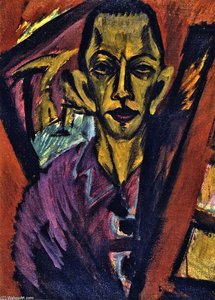
The painting Edward Wolfe by Edward Wolfe is a captivating piece that has garnered significant attention in the art world. Created in 1920, this oil on canvas artwork measures 90 x 59 cm and is currently housed at the National Portrait Gallery (United States). As an expert in art and a salesman at https://Most-Famous-Paintings.com, I am delighted to delve into the intricacies of this artwork and explore its significance.

Artist Background

Edward Wolfe was a skilled artist who demonstrated a unique style in his work. Although limited information is available about his life, his painting Edward Wolfe showcases his exceptional talent. The artwork features a man wearing a white shirt with a red tie, exuding an air of sophistication and elegance.

Analysis and Details

The painting's composition is characterized by bold brushstrokes and vivid colors, which were characteristic of the artistic style during the 1920s. The subject's attire suggests that he might be a businessman or someone dressed for a formal event. The use of oil on canvas as the medium adds depth and texture to the artwork, making it even more captivating.
  • The painting measures 90 x 59 cm, making it a significant piece in terms of size and scale.
  • The artwork is created using oil on canvas, which was a popular medium during the 1920s.
  • The subject's attire and expression convey a sense of confidence and sophistication.
Handmade oil painting reproductions of Edward Wolfe are available at https://Most-Famous-Paintings.com, allowing art enthusiasts to own a piece of history. For more information on the artist and his work, visit /art/list/?Filter=AQTVFW-Edward-Wolfe-Edward-Wolfe. Other notable artists and their works can be found at https://Most-Famous-Paintings.com, including Theo Van Doesburg and his painting Pure painting, as well as Thomas Hart Benton and his artwork Self-Portrait with Rita. For more information on the Ashcan School, visit https://en.wikipedia.org/wiki/Everett_Shinn.
The Heckscher Museum of Art (United States) is another notable institution that houses an impressive collection of American and European fine art. Established in 1920, the museum has been dedicated to preserving, exhibiting, and promoting the visual arts for over a century. Visit /art/list/?Filter=A@D3B8CZ-Heckscher-Museum-of-Art-(United-States) to learn more about the museum's collection and exhibitions.

アーティストの略歴

The Vibrant Legacy of Edward Wolfe

Edward Wolfe (1897–1982) stands as a significant figure in British art of the early 20th century, inextricably linked to the intellectual currents of the Bloomsbury Group and the experimental spirit of the Omega Workshops. Born in London, Wolfe possessed an innate talent for capturing visual beauty with remarkable precision, imbuing his canvases with a distinctive emotional resonance that cemented his place amongst the leading artists of his time. His artistic journey unfolded against a backdrop of shifting cultural landscapes, mirroring the broader anxieties and aspirations of the era while simultaneously forging a path toward innovative stylistic approaches.

Wolfe’s formative years were marked by exposure to influential thinkers and artists—figures like Virginia Woolf and Roger Fry who championed modernist ideals. He studied at the prestigious Slade School of Fine Art, where he honed his skills in draughtsmanship and mastered traditional techniques before eventually embracing the transformative impact of Fauvist painting. This evolution from classical precision to a more liberated use of color defines much of his enduring appeal.

A Convergence of Modernist Visions

The trajectory of Wolfe’s career was profoundly shaped by his association with the Bloomsbury Group, a collective of writers and artists that prioritized aesthetic experimentation alongside philosophical inquiry. This environment provided the perfect crucible for challenging long-held artistic conventions. A pivotal catalyst in Wolfe’s stylistic evolution was the advocacy of Roger Fry, whose promotion of Henri Matisse’s bold, non-naturalistic use of color encouraged Wolfe to move beyond mere representation toward a more expressive, emotive palette.

Recognizing the importance of collaborative artistic endeavors, Wolfe joined the Omega Workshops alongside luminaries such as Vanessa Bell and Duncan Grant. This collective aimed to revitalize British craftsmanship and elevate the decorative arts through innovative designs—a direct response to the perceived decline of artistic standards following the devastation of World War I. Through this work, Wolfe helped bridge the gap between fine art and functional design, contributing to a movement that sought to integrate beauty into the very fabric of daily life.

Mastery of Color and Form

Wolfe’s oeuvre encompasses a diverse range of subjects, yet a consistent thread of vibrant energy runs through his entire body of work. He was particularly renowned for his ability to breathe life into various genres:

  • Still Lifes: His still lifes, such as the celebrated Fruit and Flowers (1924), serve as masterclasses in Fauvist expression, bursting with saturated colors and rich textures that celebrate the tactile nature of the subject matter.
  • Portraits: Wolfe possessed a sensitive touch in his portraiture, capturing the psychological depth and character of his sitters through a modern lens.
  • Landscapes and Travel Paintings: His explorations of the natural world and his travels allowed him to experiment with light and atmosphere, often translating foreign landscapes into rhythmic patterns of color.

The historical significance of Edward Wolfe lies in his role as a bridge between traditional British academic training and the radical modernism sweeping across Europe. By synthesizing the structural discipline learned at the Slade with the liberated spirit of the Fauves, he helped create a uniquely British modernism—one that was both intellectually rigorous and visually intoxicating. Today, his work remains held in major UK collections, serving as a testament to a period of unparalleled creative ferment.

edward wolfe

edward wolfe

1897 - 1982

基本情報

  • Artistic Movement Or Style: Fauvist
  • Artists Or Movements Influenced By This Artist: ['Omega Workshops']
  • Artists Who Influenced This Artist: ['Henri Matisse']
  • Date Of Birth: 1897
  • Date Of Death: 1982
  • Full Name: Edward Wolfe
  • Nationality: British
  • Notable Artworks:
    • Fruit & Flowers
    • Madge Garland
  • Place Of Birth: London, England