x
迅速な制作と多彩な仕上げオプションを備えた、ミュージアムクオリティのジークレーまたはキャンバスプリント。 ( 手描きの絵画を購入 画像を購入)





























作品のオリジナル比率に合わせた、当店の規定サイズからお選びください。

特定のフレームやスペースに合わせて、ご自身でサイズを指定することも可能です。選択されたサイズが元の画像の比率と一致しない場合、作品をトリミングするか、鏡面反射または単色での塗りつぶしによって画像を拡張いたします。制作を開始する前に、ご確認用のデジタルモックアップをお送りいたします。
画面上のプレビューには、実際のトリミングや拡張は反映されませんのでご注意ください。最終的な構図を正確に確認できるのは、モックアップのみとなります。
カスタムサイズも承っておりますが、元の比率を維持するためには、あらかじめ用意されたリストからサイズを選択することをお勧めいたします。

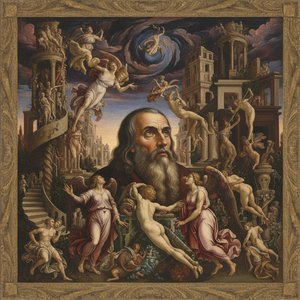
Laocoön (detail)
複製画のサイズ
El Greco's 'Laocoön,' a detail from his monumental 1610-1614 painting, isn’t merely a depiction of a classical myth; it’s a visceral exploration of human suffering and the relentless power of fate. The image, rendered in stark monochrome, immediately commands attention with its dynamic composition and profoundly unsettling atmosphere. It's a work that speaks to the core of the human condition – vulnerability, defiance, and ultimately, surrender—a theme powerfully echoed in the original sculpture that inspired it.
The scene unfolds within a shadowy, undefined landscape, hinting at a forest or rocky terrain, providing a dramatic backdrop for the central figures. Three nude male forms dominate the composition, their muscular bodies sculpted with an intensity characteristic of El Greco’s Mannerist style. The figures are not idealized; they are rendered with raw emotion and anatomical precision, emphasizing the strain and terror etched onto their faces and bodies. The artist masterfully uses elongated limbs and distorted perspectives to heighten the sense of movement and instability, mirroring the agonizing struggle of Laocoön and his sons.
El Greco’s distinctive style is immediately apparent in the painting's technique. Loose, expressive brushstrokes create a textured surface, full of visible marks that contribute to the work’s dramatic intensity. The artist employs energetic lines – not always perfectly straight – to define the forms, creating a sense of movement and urgency. The stark contrast between light and shadow is crucial; directional lighting sculpts the figures, highlighting their musculature while plunging them into darkness, amplifying the feeling of impending doom. This masterful use of chiaroscuro draws the viewer’s eye directly to the central drama.
The composition itself is carefully orchestrated. The vertical orientation emphasizes the height and elongated forms of the figures, creating a sense of overwhelming scale. The placement of Laocoön and his sons at the center immediately establishes them as the focal point, drawing the viewer into their desperate struggle. The ambiguity of depth – the background fading into darkness – adds to the painting’s mystery and reinforces the feeling that we are witnessing a timeless tragedy.
‘Laocoön’ is rooted in Greek mythology, recounting the story of a Trojan priest who warned his countrymen against the deceitful Trojan Horse. However, El Greco transcends mere illustration; he imbues the scene with profound symbolic weight. The serpents attacking Laocoön represent not just physical danger but also the forces of fate and divine retribution. The figures’ gestures – arms raised in defiance, faces contorted in anguish – convey a powerful sense of anxiety, fear, and ultimately, resignation.
The monochromatic palette—shades of gray, white, and black—contributes significantly to the painting's somber mood. It evokes a feeling of timelessness and universality, stripping away any distractions and focusing solely on the raw emotion of the scene. The absence of color amplifies the drama and reinforces the sense that this is not just a story from the past but an eternal struggle against insurmountable odds.
El Greco's ‘Laocoön,’ like much of his work, anticipates later artistic movements. Its expressive intensity and fragmented forms foreshadow elements of Expressionism and Cubism, demonstrating the artist’s profound influence on subsequent generations. The painting remains a powerful testament to El Greco’s ability to capture not just the physical likeness of his subjects but also their inner turmoil. It is a work that continues to resonate with viewers today, prompting reflection on themes of mortality, faith, and the inescapable nature of suffering.

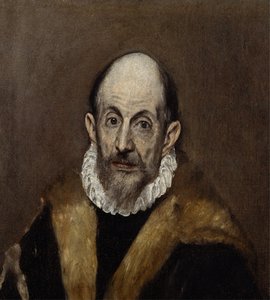
1541 - 1614 , ギリシャ
Explore the dramatic transition from High Renaissance harmony to Mannerist tension. Discover how masters like El Greco redefined art through distortion and spiritual intensity. An expert guide for art enthusiasts seeking deep historical context and museum-quality inspiration.

Explore the dramatic evolution of Mannerism from High Renaissance perfection to El Greco's spiritual intensity. Discover the history, techniques, and enduring legacy of this transformative era through an expert art-history lens.

Explore the dramatic evolution from Mannerist distortion to Baroque grandeur. Discover how light, shadow, and emotion redefined art history through a masterclass in technical mastery and religious fervor.


最新の美術ニュース、限定オファー、そしてインテリアのアイデアをいち早くお届けします。
お客様のプロジェクトについてお聞かせください。当社の美術専門家が、お客様に合わせた3つのパーソナライズされた芸術提案をご提供いたします。
あなたにぴったりの3作品を無料で厳選いたします


 プレビュー
プレビュー
 シェアする
シェアする シェアする
シェアする
 詳細を見る
詳細を見る

 ダウンロード
 似ている作品
 X線調査
X線調査 スライドショー


 詳細を見る
詳細を見る









 ガラスオプションは、110cm未満のサイズでのみご利用いただけます。