x
迅速な制作と多彩な仕上げオプションを備えた、ミュージアムクオリティのジークレーまたはキャンバスプリント。 ( 手描きの絵画を購入 画像を購入)





























作品のオリジナル比率に合わせた、当店の規定サイズからお選びください。

特定のフレームやスペースに合わせて、ご自身でサイズを指定することも可能です。選択されたサイズが元の画像の比率と一致しない場合、作品をトリミングするか、鏡面反射または単色での塗りつぶしによって画像を拡張いたします。制作を開始する前に、ご確認用のデジタルモックアップをお送りいたします。
画面上のプレビューには、実際のトリミングや拡張は反映されませんのでご注意ください。最終的な構図を正確に確認できるのは、モックアップのみとなります。
カスタムサイズも承っておりますが、元の比率を維持するためには、あらかじめ用意されたリストからサイズを選択することをお勧めいたします。

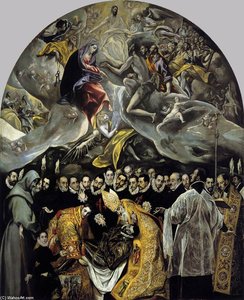
The Last Supper
複製画のサイズ
El Greco’s “The Last Supper,” painted in 1568, isn't merely a depiction of a biblical scene; it’s a visceral exploration of human emotion and spiritual tension. This masterpiece, housed within the Pinacoteca Nazionale di Bologna, transcends its religious subject matter to become a profound meditation on betrayal, faith, and the weight of impending doom. Far removed from the serene depictions favored by his contemporaries, El Greco plunges us directly into the heart of Christ’s final meal with his disciples, utilizing a revolutionary Mannerist style that would profoundly influence generations of artists to come.
The painting immediately captivates with its dynamic composition and unsettling realism. Unlike Leonardo da Vinci's meticulously balanced “Last Supper,” El Greco deliberately eschews harmony in favor of dramatic asymmetry. Figures are elongated and distorted, their faces contorted in expressions of shock, disbelief, and even anger. The spatial relationships are skewed, creating a sense of claustrophobia and intensifying the emotional impact. Notice how Christ’s hand, raised in a gesture of blessing, dominates the scene, drawing our eye while simultaneously radiating an aura of quiet authority amidst the surrounding turmoil.
El Greco's style is firmly rooted in the burgeoning Mannerist movement, which arose as a reaction against the perceived excesses of the High Renaissance. Rather than striving for idealized beauty and anatomical perfection, Mannerists prioritized expressive distortion, heightened color palettes, and complex spatial arrangements. El Greco masterfully embodies these principles, employing elongated figures that seem to ripple with inner energy. His use of color is equally striking – vibrant reds, blues, and yellows clash dramatically against muted browns and grays, creating a sense of unease and amplifying the emotional intensity of the scene.
Beyond its formal innovations, “The Last Supper” is rich in symbolic meaning. The arrangement of the apostles around the table isn’t simply a realistic depiction; it's a carefully constructed tableau designed to convey theological ideas about betrayal, sacrifice, and redemption. Observe how Judas, often identified by his distinctive green garment, sits isolated from the group, representing the act of treachery that will ultimately lead to Christ’s crucifixion. The gesture of reaching for bread and wine symbolizes the Eucharist—the central sacrament of Christianity—and the promise of eternal life.
Furthermore, El Greco's background in Byzantine iconography is evident in his use of symbolism. The figures are not rendered as individual portraits but rather as archetypal representations of humanity’s spiritual journey. The overall atmosphere of the painting suggests a profound sense of foreboding and impending tragedy, reflecting the psychological drama at the heart of the biblical narrative.
“The Last Supper” stands as a testament to El Greco's unique artistic vision—a fusion of Byzantine tradition and Western innovation. His dramatic use of color, distorted figures, and intense emotional expression broke with established conventions and paved the way for future generations of artists who sought to convey subjective experience through their work. Reproductions of this powerful image offer a remarkable opportunity to connect with one of art history’s most compelling and enigmatic figures, allowing us to contemplate the profound themes of faith, betrayal, and human suffering that continue to resonate today.

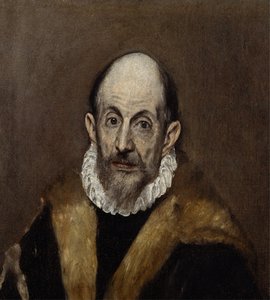
1541 - 1614 , ギリシャ
Explore the dramatic transition from High Renaissance harmony to Mannerist tension. Discover how masters like El Greco redefined art through distortion and spiritual intensity. An expert guide for art enthusiasts seeking deep historical context and museum-quality inspiration.

Explore the dramatic evolution of Mannerism from High Renaissance perfection to El Greco's spiritual intensity. Discover the history, techniques, and enduring legacy of this transformative era through an expert art-history lens.

Explore the profound history and technical brilliance of oil on panel painting. From Renaissance masters to modern techniques, discover why this rigid support offers unparalleled precision and permanence for fine art lovers and collectors.


最新の美術ニュース、限定オファー、そしてインテリアのアイデアをいち早くお届けします。
お客様のプロジェクトについてお聞かせください。当社の美術専門家が、お客様に合わせた3つのパーソナライズされた芸術提案をご提供いたします。
あなたにぴったりの3作品を無料で厳選いたします


 プレビュー
プレビュー
 シェアする
シェアする シェアする
シェアする
 詳細を見る
詳細を見る

 ダウンロード
 似ている作品
 X線調査
X線調査 スライドショー

 詳細を見る
詳細を見る









 ガラスオプションは、110cm未満のサイズでのみご利用いただけます。