x































作品のオリジナル比率に合わせた、当店の規定サイズからお選びください。

特定のフレームやスペースに合わせて、ご自身でサイズを指定することも可能です。選択されたサイズが元の画像の比率と一致しない場合、作品をトリミングするか、鏡面反射または単色での塗りつぶしによって画像を拡張いたします。制作を開始する前に、ご確認用のデジタルモックアップをお送りいたします。
画面上のプレビューには、実際のトリミングや拡張は反映されませんのでご注意ください。最終的な構図を正確に確認できるのは、モックアップのみとなります。
カスタムサイズも承っておりますが、元の比率を維持するためには、あらかじめ用意されたリストからサイズを選択することをお勧めいたします。

the risen christ
複製画のサイズ
El Greco's “The Risen Christ,” a work rendered in stark monochrome, isn’t merely a depiction of a biblical event; it’s an intensely felt meditation on faith, vulnerability, and the profound drama of resurrection. Born Doménikos Theotokópoulos in Crete around 1541, El Greco forged a uniquely powerful style that defied easy categorization, blending Byzantine tradition with Italian Mannerism and a deeply personal spiritual vision. This particular image, likely created between 1608 and 1614 during his time in Toledo, Spain, captures the essence of this distinctive approach – a deliberate stripping away of color to amplify form, emotion, and the sheer physicality of the subject.
The painting immediately commands attention with its dramatic composition. A full-length figure dominates the frame, positioned in profile facing right, his body elongated and sculpted with an almost sculptural quality characteristic of El Greco’s style. The diagonal thrust of his outstretched arm, a gesture simultaneously offering blessing and bearing witness to the miracle, guides the viewer's eye upwards and towards the upper right corner, creating a dynamic sense of movement within the otherwise static scene. The stark black background isn’t merely an absence of color; it actively isolates the figure, intensifying its presence and emphasizing the vulnerability inherent in his resurrected state.
What immediately strikes the viewer is El Greco's masterful manipulation of line. Rather than relying on subtle gradations of color to create volume, he employs bold, decisive lines to define the musculature of Christ’s body – a deliberate departure from the smoother, more idealized forms prevalent in earlier Renaissance art. These lines aren’t simply outlines; they possess a palpable energy, suggesting movement and the raw physicality of resurrection. Subtle variations in tone within these lines create an illusion of depth and volume, lending a remarkable sense of realism to the otherwise stark monochrome palette.
The texture of the painting, though achieved through photographic reproduction, hints at the artist’s original technique – oil paints applied with thick impasto. The slight variations in tone on Christ's skin suggest brushstrokes, adding a tactile quality to the image and reinforcing the sense that we are observing a tangible, vulnerable human being. The smooth surfaces of his garments contrast sharply with the textured musculature, further emphasizing the duality between earthly form and divine grace.
The nudity of Christ is profoundly significant. It’s not presented as shame or exposure, but rather as a symbol of purity, vulnerability, and sacrifice – qualities inextricably linked to his resurrection. The outstretched arm, a gesture of benediction and offering, speaks to the transformative power of faith and the boundless grace bestowed upon humanity. The dramatic lighting, seemingly emanating from above and slightly to the left, casts strong contrasts between light and shadow, highlighting Christ’s anatomy and imbuing the scene with an almost theatrical intensity.
Beyond its religious subject matter, “The Risen Christ” resonates with broader themes of human experience. The figure's pose – head turned back in contemplation, a gesture of both humility and triumph – invites viewers to reflect on their own faith, hope, and the enduring power of belief. It’s a work that transcends its specific religious context, offering a timeless meditation on mortality, redemption, and the mysteries of existence.
El Greco's influence extends far beyond his own lifetime. His innovative style anticipated elements of Expressionism and Cubism centuries later, demonstrating an extraordinary ability to capture emotional intensity and fragmented forms. The Museo de El Greco in Toledo offers a comprehensive exploration of the artist’s life and work, allowing visitors to immerse themselves in the world of this enigmatic genius. Reproductions of “The Risen Christ,” available through Most-Famous-Paintings.com and similar platforms, provide an accessible way to experience the power and beauty of this iconic masterpiece.
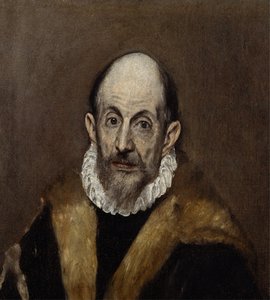
1541 - 1614 , ギリシャ

Explore the captivating world of El Greco! Discover his unique style, spiritual intensity, and lasting impact on art history. Learn about this Renaissance master's life, iconic paintings & legacy.

Explore the dramatic world of Spanish Baroque art! Discover masters like Zurbarán & the powerful influence of religious zeal on painting techniques – a guide for collectors and enthusiasts.

メトロポリタン美術館の至宝25選。モネ、ゴッホ、レンブラント…名画に秘められた物語と技法を紐解きます。印象派からルネサンスまで、時代を超えて輝く芸術作品をウォールアートで暮らしに取り入れませんか?Most-Famous-Paintings.comで全コレクションをご覧ください。

Explore the captivating world of Manuel Benedito Vives, a celebrated Spanish painter influenced by Sorolla. Discover his masterful portraits, luminous landscapes & enduring legacy – a favorite of the Spanish Royal Family. Art collectors will appreciate this in-depth study.

エル・グレコの傑作25選:魂を揺さぶる宗教画の世界へ。スペイン絵画の巨匠、マニエリスム様式と Toledo の光彩を紐解きます。Most-Famous-Paintings.com で名画のアートプリントや複製画をお楽しみください。コレクションはこちら →


最新の美術ニュース、限定オファー、そしてインテリアのアイデアをいち早くお届けします。
お客様のプロジェクトについてお聞かせください。当社の美術専門家が、お客様に合わせた3つのパーソナライズされた芸術提案をご提供いたします。
あなたにぴったりの3作品を無料で厳選いたします


 手描き複製画を注文する
 シェアする
シェアする シェアする
シェアする
 詳細を見る
詳細を見る

 ダウンロード
 似ている作品
 X線調査
X線調査 スライドショー

 詳細を見る
詳細を見る









 ガラスオプションは、110cm未満のサイズでのみご利用いただけます。