x
当社のアーティストが、お客様のご希望のサイズと額縁に合わせて、キャンバスに手描きで制作する油彩画です。 ( プリント版に切り替え 画像に切り替え)





























作品のオリジナル比率に合わせた、当店の規定サイズからお選びください。

特定のフレームやスペースに合わせて、ご希望のサイズをご入力いただけます。選択されたサイズが元の画像の比率と異なる場合、アートワークをトリミングするか、手描きで要素を追加して絵画を拡張いたします。デジタルモックアップ を制作し、制作開始前にご確認(承認)をいただきます。
画面上のプレビューは、実際のトリミングや拡張を正確に反映しているものではありません。最終的な構図は、モックアップによってのみ正確にご確認いただけます。
カスタムサイズもご利用いただけますが、元の比率を維持するためには、あらかじめ用意されたリストからサイズを選択することをお勧めいたします。

Coffee Table
複製画のサイズ
Ernst Ludwig Kirchner’s “Coffee Table” is far more than a mere depiction of an interior scene; it is a distilled essence of the anxieties and profound complexities inherent in German Expressionism. Painted circa 1923, during a pivotal period when Kirchner had relocated to Davos alongside his wife, Erna Schilling, the artwork captures a snapshot of daily life infused with deep psychological resonance. The painting invites us into a modest restaurant setting, where a dining table is occupied by six individuals—including the artist himself and his wife—whose identities remain deliberately obscured. This ambiguity fosters a sense of quiet contemplation, allowing the viewer to peer into the unspoken dialogues and inner lives of these figures as they exist within a shared, yet deeply personal, moment.
The composition unfolds with a meticulous eye for detail that balances domestic intimacy with artistic tension. One can almost feel the weight of the atmosphere through the rendering of cups brimming with drink, plates laden with food, and cutlery arranged with purposeful precision. Yet, Kirchner’s true focus lies not in these tangible objects, but in the human presence itself. The figures are positioned in close proximity, their arrangement conveying a sense of closeness that is simultaneously interrupted by an underlying tension. This duality makes the piece particularly captivating for collectors who appreciate art that offers both aesthetic beauty and intellectual depth.
Kirchner’s signature Expressionist style dominates every inch of the canvas, creating a textured surface that seems to vibrate with its own internal energy. His use of bold, rhythmic brushstrokes is characteristic of the movement, rejecting the polished perfection of academic idealism in favor of a raw, emotive truth. The color palette is masterfully balanced; while it favors earthy, grounded tones, these are punctuated by sudden, brilliant splashes of vibrant reds and yellows. This deliberate use of color mirrors the emotional intensity of the scene, transforming a simple meal into a luminous event that commands attention.
For interior designers and lovers of fine art, the technical brilliance of this piece offers incredible versatility. The painting’s ability to harmonize muted, sophisticated tones with energetic highlights allows it to serve as a powerful focal point in a variety of modern settings. Whether placed in a minimalist gallery-style room or a more textured, eclectic space, a high-quality reproduction of “Coffee Table” brings a sense of historical gravity and artistic vitality to any wall.
To understand the emotional impact of this work, one must look toward the historical context of post-World War I Germany. The era was defined by a pervasive sense of disillusionment and a search for meaning amidst reconstruction. Kirchner and his contemporaries sought to confront uncomfortable truths about the human experience, using art as a vessel for expressing inner turmoil. Within this piece, the inclusion of a carved bench frame bearing a figural relief of a mother and child serves as a poignant symbol of maternal care and stability amidst the pervasive anxieties of the time. This motif aligns perfectly with the broader Expressionist exploration of familial bonds and the vulnerability of life.
Ultimately, “Coffee Table” is an invitation to join the conversation. It captures a moment of intimate familiarity and serene tranquility that, despite its underlying tension, remains profoundly inviting. For those seeking to adorn their homes with a piece that speaks of history, emotion, and the enduring beauty of the human spirit, this masterpiece stands as a timeless choice. Owning a reproduction of such a significant work allows one to bring a fragment of the German Expressionist soul into the contemporary living space, fostering an environment of constant inspiration and reflection.
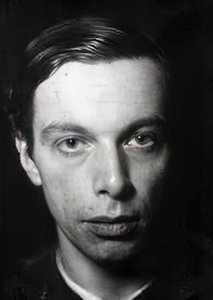
1880 - 1938 , ドイツ
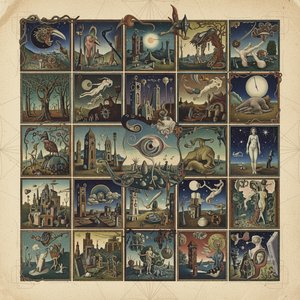
マックス・エルンストの傑作25選。シュルレアリスムを代表する画家、その夢と無意識の世界を描いた絵画や版画を紐解きます。リビングやオフィスに飾るモダンアート、インテリアに最適な作品を見つけませんか?Most-Famous-Paintings.comで全コレクションをオンラインで探す。

クロード・モネの傑作25選。印象派を代表する光の画家、モネの世界を旅しませんか?睡蓮や風景画など、名画の背景にある物語と芸術技法をご紹介。Most-Famous-Paintingsで高品質な複製画とインテリアアートを見つけましょう。全コレクションはこちら。

Explore the powerful world of Ernst Ludwig Kirchner and German Expressionism. Discover his iconic paintings, Die Brücke group, and the movement's exploration of urban anxiety & modern identity. Expert analysis for collectors & enthusiasts.
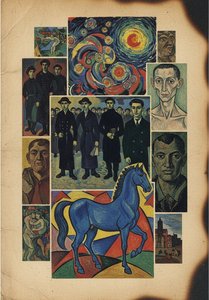
Explore 10 defining German Expressionism masterpieces – from Munch's 'The Scream' to Kandinsky’s abstracts. Discover the artists, stories & bold colors behind this powerful art movement. Find museum-quality reproductions at Most-Famous-Paintings.com.
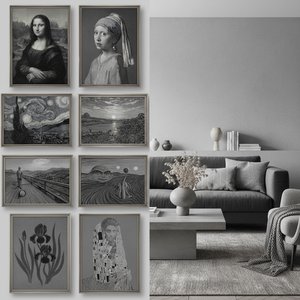
Explore 10 iconic gray paintings by masters like Rembrandt, Hopper & Whistler. Discover the stories behind these atmospheric artworks and find museum-quality art reproductions for your home decor at . Explore the full collection online.


最新の美術ニュース、限定オファー、そしてインテリアのアイデアをいち早くお届けします。
お客様のプロジェクトについてお聞かせください。当社の美術専門家が、お客様に合わせた3つのパーソナライズされた芸術提案をご提供いたします。
あなたにぴったりの3作品を無料で厳選いたします


 プレビュー
プレビュー
 シェアする
シェアする シェアする
シェアする
 詳細を見る
詳細を見る

 ダウンロード
 似ている作品
 X線調査
X線調査 スライドショー


 詳細を見る
詳細を見る









 ガラスオプションは、110cm未満のサイズでのみご利用いただけます。