x
 Oil On CanvasWallArtGerman Expressionism
 191419th Century
 90.0 x 61.0 cm




























作品のオリジナル比率に合わせた、当店の規定サイズからお選びください。

特定のフレームやスペースに合わせて、ご希望のサイズをご入力いただけます。選択されたサイズが元の画像の比率と異なる場合、アートワークをトリミングするか、手描きで要素を追加して絵画を拡張いたします。デジタルモックアップ を制作し、制作開始前にご確認(承認)をいただきます。
画面上のプレビューは、実際のトリミングや拡張を正確に反映しているものではありません。最終的な構図は、モックアップによってのみ正確にご確認いただけます。
カスタムサイズもご利用いただけますが、元の比率を維持するためには、あらかじめ用意されたリストからサイズを選択することをお勧めいたします。

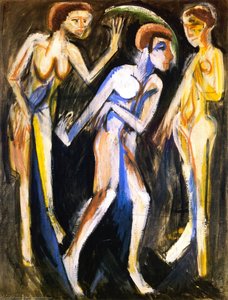
Dancer
複製画のサイズ
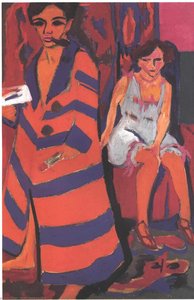
“Dancer,” painted in 1914 by Ernst Ludwig Kirchner, is more than just a depiction of a woman in white; it's a visceral plunge into the heart of German Expressionism. This oil on canvas, measuring 90 x 61 cm, pulsates with an intensity born from Kirchner’s profound engagement with the anxieties and emotional currents swirling through early 20th-century Europe. The painting immediately arrests the viewer with its bold color palette – a riot of reds, blues, and yellows that seem to vibrate with unspoken emotion – and its deliberately distorted forms, hallmarks of a movement determined to reject the comfortable illusions of realism.
Kirchner’s ‘Dancer’ exemplifies the core tenets of Expressionism, a movement that sought to express inner psychological states rather than objective reality. Born from a period of rapid industrialization, social upheaval, and artistic experimentation, Expressionism aimed to capture the anxieties, alienation, and spiritual crises felt by many in response to these changes. Unlike traditional artists who focused on depicting the world as it appeared, Kirchner and his contemporaries deliberately distorted form and color to evoke specific emotions – fear, loneliness, disorientation – within the viewer. The influence of artists like Edvard Munch and Egon Schiele is palpable here, sharing a similar commitment to portraying subjective experience over objective observation.
The painting’s symbolism isn't overtly didactic; instead, it invites interpretation. The dancer herself could represent the destabilization of traditional values in a rapidly changing world. Her isolated presence within the theatrical setting suggests themes of alienation and the loss of connection. Painted in 1914, just before the outbreak of World War I, ‘Dancer’ reflects the pervasive sense of unease and uncertainty that gripped Europe at the time. Kirchner's work was deeply influenced by his experiences living in cities undergoing rapid transformation – from Frankfurt to Chemnitz – witnessing firsthand the social and psychological consequences of modernity.
“Dancer” remains a powerfully evocative artwork, demonstrating Kirchner's mastery of color and form to convey intense emotion. Its dynamic composition and unsettling beauty continue to resonate with viewers today. A hand-painted reproduction offers an exceptional opportunity to bring this seminal work into your home or office – a testament to the enduring power of Expressionism and a captivating addition to any art collection. Consider its impact as a focal point, injecting a dose of raw emotion and intellectual stimulation into your space.

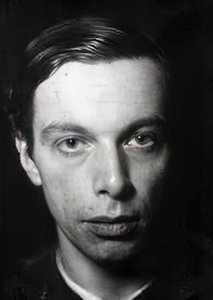
1880 - 1938 , ドイツ

Explore the visceral power of German Expressionism. From Ernst Ludwig Kirchner to Die Brücke, discover how bold colors and distorted forms unmask raw human emotion in this expert art history guide for collectors and enthusiasts.

Explore the profound history and technical mastery of woodcut relief printing. From ancient origins to German Expressionism, discover how artists use the subtractive process to create iconic works. A definitive guide for art students, collectors, and historians.


最新の美術ニュース、限定オファー、そしてインテリアのアイデアをいち早くお届けします。
お客様のプロジェクトについてお聞かせください。当社の美術専門家が、お客様に合わせた3つのパーソナライズされた芸術提案をご提供いたします。
あなたにぴったりの3作品を無料で厳選いたします


 プレビュー
プレビュー
 プリントを購入
 シェアする
シェアする シェアする
シェアする
 詳細を見る
詳細を見る

 ダウンロード
 似ている作品
 X線調査
X線調査 スライドショー
 詳細を見る
詳細を見る









 ガラスオプションは、110cm未満のサイズでのみご利用いただけます。