x


 EtchingGerman Expressionism
 1929
1929 26.0 x 20.0 cm




























作品のオリジナル比率に合わせた、当店の規定サイズからお選びください。

特定のフレームやスペースに合わせて、ご希望のサイズをご入力いただけます。選択されたサイズが元の画像の比率と異なる場合、アートワークをトリミングするか、手描きで要素を追加して絵画を拡張いたします。デジタルモックアップ を制作し、制作開始前にご確認(承認)をいただきます。
画面上のプレビューは、実際のトリミングや拡張を正確に反映しているものではありません。最終的な構図は、モックアップによってのみ正確にご確認いただけます。
カスタムサイズもご利用いただけますが、元の比率を維持するためには、あらかじめ用意されたリストからサイズを選択することをお勧めいたします。

Three Faces
複製画のサイズ
To gaze upon Ernst Ludwig Kirchner’s etching, "Three Faces," is not merely to observe lines on paper; it is to step directly into the volatile emotional landscape of early 20th-century Berlin. This black and white study, dating from 1929, captures a moment of profound psychological tension through the stark medium of the etching process. The composition presents three distinct visages clustered together, each one offering a different facet of the human condition—a silent, arresting tableau that speaks volumes without uttering a single word. Kirchner, deeply immersed in the fervor and anxiety of German Expressionism, possessed an unparalleled ability to distill complex inner turmoil into stark, graphic forms.
The choice of etching as a medium is crucial to understanding the work's raw power. The inherent nature of etching lends itself to sharp contrasts—the deep blacks against the pristine white ground—which serve to heighten the drama of the expressions. Notice how Kirchner manipulates shadow and line weight; these are not decorative elements but carriers of emotional charge. The viewer’s eye is immediately drawn across the trio, forced into a comparative study. The contrast between the left face's palpable frown, the middle figure's seemingly bright smile, and the right face's more brittle, perhaps even strained grin creates an immediate visual dialogue. It suggests that emotion itself is rarely singular or simple.
Painted in 1929, this work emerges from a period of immense societal upheaval, standing at the precipice of global conflict and radical social change. Kirchner’s art was always deeply engaged with the pulse of modern life—the alienation of the city, the mask worn in public spaces, and the struggle to maintain authentic selfhood amidst rapid modernization. "Three Faces" can be interpreted as a commentary on societal performance; are we all merely performing happiness for an audience? The tension captured here resonates far beyond its specific date, speaking to the universal anxieties of feeling observed, judged, or misunderstood.
The grouping of three faces is inherently symbolic. It suggests a triangulation of experience—perhaps the self versus society, or genuine emotion versus social expectation. The differing expressions invite deep contemplation from the collector or admirer. Is the smile on the right one of joy, or is it the forced composure required to navigate difficult times? Kirchner masterfully uses these subtle variations in musculature and gaze to explore the chasm between inner reality and outer presentation. Owning a reproduction of this piece allows one to bring that thoughtful, questioning energy into a living space, transforming a mere wall hanging into a philosophical anchor.
For those seeking art that possesses both historical weight and immediate emotional impact, "Three Faces" is an unparalleled choice. Its graphic intensity translates beautifully across reproductions, allowing the stark power of Kirchner's original etching to grace any interior setting—from a minimalist gallery wall to a richly decorated study. It serves as a constant, quiet reminder that beneath every composed facade lies a complex, shifting emotional narrative waiting to be observed.

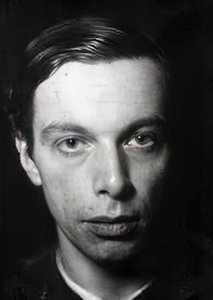
1880 - 1938 , ドイツ

メトロポリタン美術館の至宝25選。モネ、ゴッホ、レンブラント…名画に秘められた物語と技法を紐解きます。印象派からルネサンスまで、時代を超えて輝く芸術作品をウォールアートで暮らしに取り入れませんか?Most-Famous-Paintings.comで全コレクションをご覧ください。
ジェームズ・マクニール・ホイストラーの至高の25選。ノクターン、印象派、美しい色彩に満ちた作品群を紐解きます。Most-Famous-Paintingsで高品質なアートプリントとインテリアをお楽しみください。名画の世界へ – Most-Famous-Paintings.com
葛飾北斎の25選:『神奈川沖浪裏』や『富嶽三十六景』など、浮世絵の世界を深く探求。木版画の技法と日本美術の美をMost-Famous-Paintingsで。高品質なアートプリントで空間に感動を。コレクションはこちら。

Journey through 10 legendary etching masterpieces by Rembrandt, Dürer & Goya. Explore the history of printmaking and discover timeless art for your home. Find museum-quality reproductions at Most-Famous-Paintings.com.
エゴン・シーレの傑作25選。表現主義を代表するオーストリアの画家、その魂を揺さぶる人物画や自画像の世界へ。Most-Famous-Paintingsで名画の複製画とインテリアアートをお楽しみください。コレクションを見る▶


最新の美術ニュース、限定オファー、そしてインテリアのアイデアをいち早くお届けします。
お客様のプロジェクトについてお聞かせください。当社の美術専門家が、お客様に合わせた3つのパーソナライズされた芸術提案をご提供いたします。
あなたにぴったりの3作品を無料で厳選いたします


 プリントを購入
 シェアする
シェアする シェアする
シェアする
 詳細を見る
詳細を見る

 ダウンロード
 似ている作品
 X線調査
X線調査 スライドショー
 詳細を見る
詳細を見る









 ガラスオプションは、110cm未満のサイズでのみご利用いただけます。