x
 Acrylic On CanvasWallArtBiedermeier
 1834
1834 25.0 x 31.0 cm
 エルミタージュ美術館
オンラインプレビューをはるかに凌ぐ、高解像度で鮮明なデジタル画像をご購入いただけます。
各ファイルは、社内の専門家が高度なツールと熟練した手作業によるレタッチを用いて、細心の注意を払って準備されています。すべての画像において、卓越した鮮明度、正確な色彩再現性、そして繊細なディテールを保証いたします。
最終ファイルは、プロフェッショナルな編集・印刷環境ですぐにご利用いただけるよう最適化された状態で、72時間以内にメールにてお届けいたします。これは、一流のデザインスタジオ、出版社、ギャラリーから信頼されているものと同等の品質です。
Most-Famous-Paintings.com を選ぶことは、単に画像を手に入れることではありません。それは、プロの手によって精密に仕上げられ、満足保証が付いた高品質なデジタルアートワークを受け取ることを意味します。ご注文いただいた際に自動的に付随する内容は、以下の通りです:

ご注文から72時間以内に、高解像度のデジタル画像ファイルがメールでお手元に届きます。すぐにそのままご利用いただけます。

お客様の作品は、高度なAIツールと専門家による手作業の編集を組み合わせてプロフェッショナルに最適化されており、細部のディテール、鮮明さ、そして正確な色再現性を最大限に引き出しています。

ファイルを誤って削除したり、紛失してしまったりしましたか?ご安心ください。いつでも無料で再送いたします。

関税や手数料、配送料を気にすることなく、お気に入りのアートワークをすぐにお楽しみいただけます。デジタルダウンロードは常に免税です。

プロ仕様のツールとカラーマネジメント技術を用いることで、デジタル画像が元の色を最大限に忠実に再現することを保証いたします。

ご購入いただいたデジタル画像にご満足いただけない場合は、60日以内であれば、修正または100%の返金(理由を問う必要はありません)をさせていただきます。

ご満足いただけない場合は、デジタルファイルを受け取ってから60日以内であれば、理由を問わず全額返金いたします。

3枚購入で10%OFF - 5枚購入で15%OFF - 10枚以上購入で20%OFF。クリエイティブなプロジェクト、ギャラリー、エージェンシーに最適です。
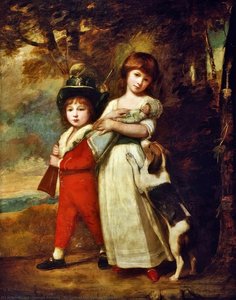
Ferdinand Georg Waldmüller's "Children," painted in 1834, isn’t merely a portrait; it’s a carefully constructed tableau of quiet dignity and poignant observation. The painting captures two young girls returning home from school along a winding path, bathed in the soft, diffused light characteristic of the Biedermeier style – an artistic movement deeply rooted in the appreciation of nature and the celebration of everyday life. Waldmüller, a pivotal figure within this aesthetic, eschewed grand historical or mythological subjects, instead focusing on scenes that offered glimpses into the lives of ordinary people, reflecting a shift away from the formal conventions of earlier art movements.
The scene unfolds with remarkable detail and restraint. The girls, rendered with an almost photographic precision, are dressed in simple, modest attire – a pink dress for one and a white one for the other – their faces conveying a sense of weariness mingled with contentment. Their clasped hands suggest a shared experience, a silent understanding forged through the journey home. The composition is deliberately balanced, drawing the eye along the path towards the distant, hazy mountains—a subtle reminder of the vastness and beauty beyond their immediate world. Waldmüller’s meticulous attention to texture – the rough fabric of their dresses, the worn earth beneath their feet – grounds the scene in a tangible reality.
To understand “Children,” one must appreciate the broader context of the Biedermeier period. Following the tumultuous years of the Napoleonic Wars and the subsequent Restoration, there was a desire for a return to simplicity and sincerity in art. Artists like Waldmüller sought inspiration in the natural world, rejecting the elaborate ornamentation and dramatic narratives favored by earlier styles. The Biedermeier aesthetic valued intimacy, domesticity, and the beauty of the commonplace. Waldmüller’s work embodies this philosophy perfectly; he doesn't attempt to elevate or idealize his subjects but rather presents them with honesty and respect.
The use of *plein air* painting – working directly from nature – was central to the Biedermeier approach, allowing artists to capture the subtle nuances of light and atmosphere. Waldmüller’s ability to render the soft, diffused light filtering through the trees is particularly striking, creating a sense of warmth and tranquility. The muted color palette—dominated by earthy tones and gentle blues—further enhances this effect, contributing to the painting's overall mood of quiet contemplation.
While seemingly straightforward, “Children” is rich in symbolic meaning. The girls’ journey home represents not just a return from school but also a transition into adulthood—a subtle acknowledgement of the challenges and responsibilities that lie ahead. The path itself can be interpreted as a metaphor for life's journey, with its twists and turns, its moments of hardship and joy. The distant mountains symbolize hope and possibility, suggesting that even in the face of adversity, there is always something to strive for.
Beyond its symbolic layers, “Children” evokes a powerful sense of empathy and nostalgia. Waldmüller’s masterful use of light and shadow, combined with his sensitive portrayal of the girls' expressions, creates an emotional connection that transcends time and place. The painting speaks to our shared humanity—to the simple pleasures of childhood, the bonds of family, and the enduring beauty of the natural world.
Reproduced on high-quality canvas or paper, “Children” offers a captivating addition to any interior space. The painting’s serene atmosphere and evocative imagery create a sense of calm and tranquility—making it an ideal choice for bedrooms, living rooms, or studies. Consider framing the artwork in a classic wooden frame to complement its Biedermeier aesthetic, or opt for a more contemporary minimalist design to create a striking contrast.
Ferdinand Georg Waldmüller’s “Children” remains a testament to the power of art to capture the essence of human experience. It is a timeless masterpiece that continues to resonate with viewers today, inviting us to pause and reflect on the simple joys of life and the enduring beauty of the natural world.


1793 - 1865 , オーストリア


最新の美術ニュース、限定オファー、そしてインテリアのアイデアをいち早くお届けします。
お客様のプロジェクトについてお聞かせください。当社の美術専門家が、お客様に合わせた3つのパーソナライズされた芸術提案をご提供いたします。
あなたにぴったりの3作品を無料で厳選いたします


 プレビュー
プレビュー
 プリントを購入
 シェアする
シェアする シェアする
シェアする
 詳細を見る
詳細を見る

 ダウンロード
 似ている作品
 X線調査
X線調査 スライドショー
 詳細を見る
詳細を見る