x





























作品のオリジナル比率に合わせた、当店の規定サイズからお選びください。

特定のフレームやスペースに合わせて、ご希望のサイズをご入力いただけます。選択されたサイズが元の画像の比率と異なる場合、アートワークをトリミングするか、手描きで要素を追加して絵画を拡張いたします。デジタルモックアップ を制作し、制作開始前にご確認(承認)をいただきます。
画面上のプレビューは、実際のトリミングや拡張を正確に反映しているものではありません。最終的な構図は、モックアップによってのみ正確にご確認いただけます。
カスタムサイズもご利用いただけますが、元の比率を維持するためには、あらかじめ用意されたリストからサイズを選択することをお勧めいたします。

Emotion (study)
複製画のサイズ
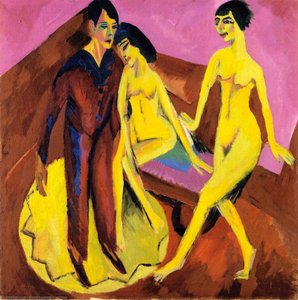
“Emotion (Study)” by Ferdinand Hodler is a captivating artwork that exemplifies the artist's mastery of capturing human emotion within a natural setting. Created in 1902, this oil painting showcases Hodler’s signature style and embodies the essence of Art Nouveau with its flowing lines and organic forms.
Ferdinand Hodler (1853-1918) was a Swiss painter renowned for his ability to portray everyday people in harmonious connection with nature. He sought to express the underlying rhythms of life, believing that parallel lines could represent both natural forms and human relationships. Hodler’s work often explored themes of solitude, community, and the cyclical nature of existence. “Emotion (Study)” is a prime example of his exploration of interpersonal dynamics and emotional states.
The painting depicts two women standing close together in a field, their postures conveying a sense of shared emotion. One woman clasps her hands together, suggesting introspection or anxiety, while the other holds her hands up to her face, perhaps expressing concern or empathy. Hodler’s use of color is striking; the green and blue dresses of the women complement the natural surroundings, creating a harmonious visual experience. The background features a grassy area that adds depth to the composition. Hodler's technique involves loose brushstrokes and a flattened perspective, characteristic of Post-Impressionism. This approach lends the painting a dreamlike quality, emphasizing the emotional rather than the purely representational aspects of the scene.
While seemingly simple in its depiction, “Emotion (Study)” is rich with symbolic meaning. The women's gestures suggest a complex interplay of emotions – perhaps worry, support, or shared vulnerability. The natural setting reinforces the idea of human connection within the larger world. Hodler’s use of parallel lines, a recurring motif in his work, can be interpreted as representing the interconnectedness of these two figures and their emotional bond. The painting evokes a sense of quiet contemplation and invites viewers to reflect on the nuances of human relationships and the power of unspoken emotions.
Hodler’s artistic legacy extends beyond “Emotion (Study).” Other notable works include "Rosebush in a Meadow" and "Little Girl Picking Flowers," both demonstrating his skill in capturing the beauty of nature and the human experience. “Emotion (Study)” is housed at the Villa Flora in Switzerland, a museum dedicated to Art Nouveau pieces. Today, handmade oil painting reproductions of “Emotion (Study)” are available, allowing art enthusiasts to appreciate Hodler’s profound exploration of emotion and connection.


1853 - 1918 , スイス

Explore the profound history and technical brilliance of oil on panel painting. From Renaissance masters to modern techniques, discover why this rigid support offers unparalleled precision and permanence for fine art lovers and collectors.


最新の美術ニュース、限定オファー、そしてインテリアのアイデアをいち早くお届けします。
お客様のプロジェクトについてお聞かせください。当社の美術専門家が、お客様に合わせた3つのパーソナライズされた芸術提案をご提供いたします。
あなたにぴったりの3作品を無料で厳選いたします


 プレビュー
プレビュー
 プリントを購入
 シェアする
シェアする シェアする
シェアする
 詳細を見る
詳細を見る

 ダウンロード
 似ている作品
 X線調査
X線調査 スライドショー

 詳細を見る
詳細を見る









 ガラスオプションは、110cm未満のサイズでのみご利用いただけます。