


x


作品のオリジナル比率に合わせた、当店の規定サイズからお選びください。

特定のフレームやスペースに合わせて、ご希望のサイズをご入力いただけます。選択されたサイズが元の画像の比率と異なる場合、アートワークをトリミングするか、手描きで要素を追加して絵画を拡張いたします。デジタルモックアップ を制作し、制作開始前にご確認(承認)をいただきます。
画面上のプレビューは、実際のトリミングや拡張を正確に反映しているものではありません。最終的な構図は、モックアップによってのみ正確にご確認いただけます。
カスタムサイズもご利用いただけますが、元の比率を維持するためには、あらかじめ用意されたリストからサイズを選択することをお勧めいたします。

Derrure
複製画のサイズ
Fernand Léger's 1933 drawing, *Derrure*, is more than just an intricate depiction of gears and machinery; it’s a profound meditation on the burgeoning relationship between humanity and technology. Executed in stark black and white, the artwork captures a dizzying close-up view of a complex mechanical device – a machine rendered with Léger's signature style that sought to reconcile the dynamism of modern life with a distinctly representational approach. The image immediately draws the viewer into a world of interlocking cogs, rotating shafts, and precisely crafted components, suggesting a relentless, almost hypnotic rhythm.
*Derrure* was created during the height of Léger’s career as a leading figure in the Parisian avant-garde. His work emerged from a period of intense social and technological change – the rise of industrialization, urbanization, and the increasing dominance of machines in daily life. Léger wasn't merely documenting this shift; he was actively engaging with it, seeking to translate its essence into his art. Tubism, initially developed alongside Pablo Picasso, aimed to capture the fragmented, multi-faceted forms of modern objects, particularly those found in factories and urban environments. This approach reflected a broader artistic movement that sought to break away from traditional representational styles and embrace new ways of seeing the world.
The drawing’s composition echoes Léger's interest in capturing the *movement* inherent within these mechanical systems. The overlapping gears, the suggestion of rotation, and the overall sense of organized chaos convey a powerful feeling of energy and dynamism – a visual representation of the machine’s relentless operation.
Beyond its technical brilliance, *Derrure* carries significant symbolic weight. The machine itself represents progress, industry, and the transformative power of technology. However, Léger doesn't present this as a purely celebratory image. There’s an underlying sense of unease, a feeling that the relentless drive of machinery is both exhilarating and potentially overwhelming. The intricate detail invites contemplation about humanity’s role within this increasingly mechanized world.
The inclusion of a clock within the drawing adds another layer of meaning, referencing time – a fundamental element in the operation of any machine, but also a symbol of human mortality and the passage of time. The stark black and white palette amplifies the emotional impact, creating a dramatic contrast that emphasizes the mechanical forms and evokes a sense of both fascination and apprehension.
Fernand Léger’s *Derrure* stands as a testament to his innovative approach to modern art. It exemplifies his ability to translate the complexities of the machine age into a visually compelling and intellectually stimulating work. This drawing, produced in 1933, offers a unique window into the artistic concerns of its time – a period marked by rapid technological advancement and profound social change. Its enduring appeal lies not only in its technical mastery but also in its poignant exploration of humanity’s relationship with the forces shaping our world.
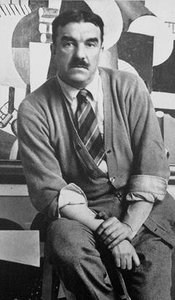
1881 - 1955 , フランス

Explore 10 Cubist masterpieces by Picasso, Braque & more! Discover the stories behind these revolutionary paintings and their impact on modern art. Find museum-quality reproductions for your home at Most-Famous-Paintings.com – where art comes to life.

Explore the art of transforming spaces with our comprehensive guide to wall decor. From historical movements to contemporary trends, discover how to curate impactful interiors and commission bespoke artwork for a truly personalized aesthetic.

Explore 10 revolutionary Cubist portraits by Picasso, Braque & more! Discover the stories behind these iconic paintings and how they shaped modern art. Find museum-quality reproductions to elevate your home decor on Most-Famous-Paintings.com.
Explore 10 defining Cubist Expressionism masterpieces by Picasso, Braque & more. Discover the stories behind these bold, geometric paintings and bring museum-quality art to your home with Most-Famous-Paintings.com. Explore the full collection online.

Delve into the power of 'Ivory Black' with 10 iconic paintings by masters like Rembrandt & Caravaggio. Explore dramatic chiaroscuro, gothic moods & timeless art history. Find museum-quality reproductions and elevate your home decor at


最新の美術ニュース、限定オファー、そしてインテリアのアイデアをいち早くお届けします。
お客様のプロジェクトについてお聞かせください。当社の美術専門家が、お客様に合わせた3つのパーソナライズされた芸術提案をご提供いたします。
あなたにぴったりの3作品を無料で厳選いたします


 Preview
 プリントを購入
 シェアする
シェアする シェアする
シェアする
 詳細を見る
詳細を見る

 ダウンロード
 似ている作品
 X線調査
X線調査 スライドショー

 詳細を見る
詳細を見る






































 ガラスオプションは、110cm未満のサイズでのみご利用いただけます。


