


x
 Acrylic On CanvasWallArtSurrealism
 1952Modern
 24.0 x 28.0 cm




























作品のオリジナル比率に合わせた、当店の規定サイズからお選びください。

特定のフレームやスペースに合わせて、ご希望のサイズをご入力いただけます。選択されたサイズが元の画像の比率と異なる場合、アートワークをトリミングするか、手描きで要素を追加して絵画を拡張いたします。デジタルモックアップ を制作し、制作開始前にご確認(承認)をいただきます。
画面上のプレビューは、実際のトリミングや拡張を正確に反映しているものではありません。最終的な構図は、モックアップによってのみ正確にご確認いただけます。
カスタムサイズもご利用いただけますが、元の比率を維持するためには、あらかじめ用意されたリストからサイズを選択することをお勧めいたします。

Rooster and logs
複製画のサイズ
Fernand Léger's 1952 painting, “Rooster and Logs,” is a captivating exploration of form and the burgeoning influence of the machine age on artistic expression. Executed during a period of significant transition for Léger – moving beyond his earlier Cubist explorations towards a more overtly expressive style – this work embodies his fascination with industrial geometry and its integration into everyday life. Measuring 24 x 28 cm, the painting’s compact scale belies the powerful visual statement it makes. The immediate impact is dominated by the vibrant red of the rooster, a bold focal point that commands attention against the stark black background. This deliberate contrast immediately evokes associations with machinery – the polished surfaces of engines and the fiery intensity of combustion – key elements in Léger’s evolving aesthetic.
While often categorized as Surrealist due to its dreamlike quality and unexpected juxtapositions, “Rooster and Logs” reveals a deeper engagement with Léger's own unique vision. The painting’s creation in 1952 aligns it within the broader context of Surrealism’s exploration of the subconscious, yet Léger resists pure abstraction. Instead, he employs simplified geometric forms – evident in the stylized depiction of the rooster and the blocky representation of the logs – to convey a sense of mechanized movement and structure. The inclusion of seemingly mundane objects—the scissors and pipe—further amplifies this symbolism, transforming them into visual metaphors for tools and instruments within an increasingly industrialized world. These elements aren’t merely decorative; they actively contribute to the painting's narrative about humanity’s relationship with technology.
Léger’s technique in “Rooster and Logs” is characterized by a deliberate flatness of picture plane, a hallmark of his mature style. The application of paint is broad and gestural, creating a textured surface that emphasizes the physicality of the forms. The use of black as a dominant background color isn't simply a stylistic choice; it serves to heighten the impact of the red rooster, pushing it forward in the composition and reinforcing its symbolic importance. The arrangement of the elements – the rooster perched atop the logs, with the scissors and pipe strategically placed—creates a dynamic tension within the frame, drawing the viewer’s eye across the canvas and inviting contemplation about the interplay between nature and industry.
Created in 1952, “Rooster and Logs” reflects Fernand Léger’s long and influential career. Having begun his artistic journey in Argentan, Normandy, he rose to prominence within the Parisian avant-garde, developing a distinctive style that blended Cubist principles with an acute awareness of modern technology. His work anticipated many of the concerns surrounding industrialization and its impact on human experience, making him a crucial figure in the transition from early 20th-century abstraction to later developments in art. This painting stands as a testament to his enduring fascination with form, color, and the evolving relationship between man and machine – a legacy that continues to resonate within contemporary art discourse.
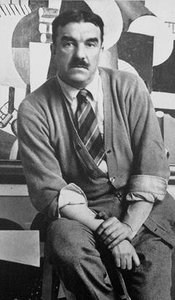
1881 - 1955 , フランス
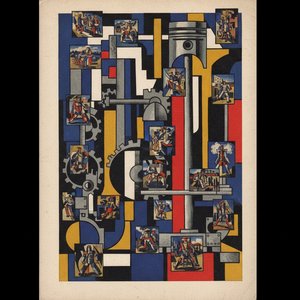
フェルナン・レジェの傑作25選。機械美と色彩が織りなすキュビズムの世界を紐解きます。Most-Famous-Paintingsで、フランス絵画の巨匠レジェの作品を高精細プリントで。インテリアアートやギフトにも最適です。全コレクションはこちら: Most-Famous-Paintings.com

Explore the art of transforming spaces with our comprehensive guide to wall decor. From historical movements to contemporary trends, discover how to curate impactful interiors and commission bespoke artwork for a truly personalized aesthetic.

Explore 10 iconic artworks capturing the Industrial Revolution’s grit & beauty. From Monet to Manet, discover realism, impressionism & powerful scenes of urban life. Find museum-quality reproductions for your home at Most-Famous-Paintings.com.
ホテルデザインを格上げするフレスコ画の魅力とは?古代から現代までの歴史、技法、デザインプロセスを解説。Most-Famous-Paintings.comでカスタムオーダーも可能です。空間を彩る壁画芸術の世界をご体験ください。

Transform your home into a breathtaking dreamscape with expert surrealist decor tips. Discover how to curate Salvador Dalí-inspired masterpieces, integrate symbolic textures, and commission bespoke hand-painted oil reproductions that bring the magic of the subconscious to your walls.


最新の美術ニュース、限定オファー、そしてインテリアのアイデアをいち早くお届けします。
お客様のプロジェクトについてお聞かせください。当社の美術専門家が、お客様に合わせた3つのパーソナライズされた芸術提案をご提供いたします。
あなたにぴったりの3作品を無料で厳選いたします


 プレビュー
プレビュー
 プリントを購入
 シェアする
シェアする シェアする
シェアする
 詳細を見る
詳細を見る

 ダウンロード
 似ている作品
 X線調査
X線調査 スライドショー
 詳細を見る
詳細を見る









 ガラスオプションは、110cm未満のサイズでのみご利用いただけます。


