


x





























作品のオリジナル比率に合わせた、当店の規定サイズからお選びください。

特定のフレームやスペースに合わせて、ご希望のサイズをご入力いただけます。選択されたサイズが元の画像の比率と異なる場合、アートワークをトリミングするか、手描きで要素を追加して絵画を拡張いたします。デジタルモックアップ を制作し、制作開始前にご確認(承認)をいただきます。
画面上のプレビューは、実際のトリミングや拡張を正確に反映しているものではありません。最終的な構図は、モックアップによってのみ正確にご確認いただけます。
カスタムサイズもご利用いただけますが、元の比率を維持するためには、あらかじめ用意されたリストからサイズを選択することをお勧めいたします。

The Moulin Rouge
複製画のサイズ
Fernand Léger's “The Moulin Rouge” is not merely a depiction of a Parisian cabaret; it’s a vibrant, pulsating embodiment of the early 20th century’s fascination with industrialization and its impact on human form. Painted around 1923, this artwork captures a fleeting moment of performance within the iconic setting of the Moulin Rouge, yet Léger's distinctive style transcends simple representation, offering instead a powerful meditation on movement, geometry, and the burgeoning spirit of modernity. The painting’s subject – a woman in striking yellow attire – is rendered with an almost sculptural quality, her elongated neck and large head echoing the rigid lines and mechanical forms that would become hallmarks of Léger's oeuvre. This isn’t a portrait in the traditional sense; it’s an exploration of how human figures were being perceived and reimagined through the lens of a rapidly changing world.
“The Moulin Rouge” reflects Léger’s broader artistic concerns, which were deeply intertwined with the rise of industrialization and its influence on human life. The woman's pose, reminiscent of a dancer or performer, can be interpreted as a symbol of humanity adapting to – and perhaps even being shaped by – the mechanical forces of the modern age. The handbag, a small detail, adds another layer of intrigue, suggesting both practicality and the potential for consumerism within this new environment. Léger was profoundly interested in the relationship between humans and machines, believing that artists could find beauty and meaning in the forms of industry.
Created during a period of immense social and technological change, “The Moulin Rouge” aligns with Léger’s broader engagement with Cubism and Constructivism. While influenced by Picasso and Braque, Léger developed his own distinct style, characterized by its emphasis on geometric abstraction and its exploration of industrial forms. This painting represents a crucial moment in the development of modern art, demonstrating how artists were responding to the challenges and opportunities presented by the machine age. It’s a testament to Léger's vision that he managed to translate the raw energy of the industrial landscape into a powerfully expressive work of art.
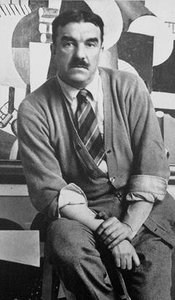
1881 - 1955 , フランス
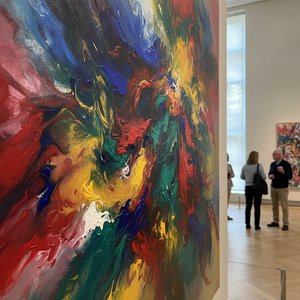
Explore the profound emotional depth of Lyrical Abstraction. Discover how masters like Raymond Parker used color and form to bridge Impressionism and Abstract Expressionism. Learn about this pivotal movement through our expert-led art history guide.

Explore the profound emotional depth of Color Field painting. Discover the history of mid-century abstraction, from Rothko to Newman, and learn how pure color transforms the viewer's experience through our expert art history guide.


最新の美術ニュース、限定オファー、そしてインテリアのアイデアをいち早くお届けします。
お客様のプロジェクトについてお聞かせください。当社の美術専門家が、お客様に合わせた3つのパーソナライズされた芸術提案をご提供いたします。
あなたにぴったりの3作品を無料で厳選いたします


 プレビュー
プレビュー
 プリントを購入
 シェアする
シェアする シェアする
シェアする
 詳細を見る
詳細を見る

 ダウンロード
 似ている作品
 X線調査
X線調査 スライドショー
 詳細を見る
詳細を見る









 ガラスオプションは、110cm未満のサイズでのみご利用いただけます。


