


x
迅速な制作と多彩な仕上げオプションを備えた、ミュージアムクオリティのジークレーまたはキャンバスプリント。 ( 手描きの絵画を購入 画像を購入)





























作品のオリジナル比率に合わせた、当店の規定サイズからお選びください。

特定のフレームやスペースに合わせて、ご自身でサイズを指定することも可能です。選択されたサイズが元の画像の比率と一致しない場合、作品をトリミングするか、鏡面反射または単色での塗りつぶしによって画像を拡張いたします。制作を開始する前に、ご確認用のデジタルモックアップをお送りいたします。
画面上のプレビューには、実際のトリミングや拡張は反映されませんのでご注意ください。最終的な構図を正確に確認できるのは、モックアップのみとなります。
カスタムサイズも承っておりますが、元の比率を維持するためには、あらかじめ用意されたリストからサイズを選択することをお勧めいたします。

untitled (4692)
複製画のサイズ
In the vast landscape of twentieth-century modernism, few works capture the rhythmic pulse of the machine age as poignantly as Fernand Léger’s "Untitled (4692)." Created during the transformative years between 1930 and 1935, this masterpiece serves as a crystallized moment of artistic rebellion. Rather than retreating into pure abstraction, Léger invites the viewer into a carefully orchestrated tableau where the boundaries between the human form and the inanimate object begin to blur. The painting presents a solitary, bearded figure seated in a state of quiet contemplation, cradling two delicate figurines within his hands. Yet, this is no traditional portrait; it is a sophisticated exploration of how life, time, and structure intersect within the modern urban experience.
The composition is a masterclass in Tubism—a term often applied to Léger’s unique evolution of Cubism. He moves away from the fractured, multi-perspective fragmentation of Picasso and Braque, opting instead for a singular, powerful viewpoint defined by interlocking planes and cylindrical forms. Through his brush, the man, the clocks, the bowl, and the vase are unified by a shared geometric language. The repetition of angular lines and simplified, robust shapes mimics the precision of industrial design, reflecting the artist's fascination with the beauty found in factory production and mechanical rhythm. For the discerning collector, this piece offers a profound sense of structural balance that brings both intellectual depth and a striking visual order to any interior space.
Beyond its aesthetic brilliance, "Untitled (4692)" is steeped in the historical anxieties and technological optimism of the interwar period. Léger was deeply moved by the legacy of Italian Futurism, absorbing their glorification of speed and dynamism while tempering it with a more grounded, humanistic approach. The presence of clocks within the composition acts as a poignant symbol of the relentless march of time—a constant, ticking reminder of the accelerating pace of modern society. These temporal elements, paired with the heavy, sculptural quality of the objects surrounding the figure, create a tension between the permanence of form and the fleeting nature of the moment.
To possess a reproduction of this work is to invite a piece of art history into one's home that speaks of resilience and evolution. The emotional impact of the painting lies in its ability to find harmony within chaos; it takes the disparate, often jarring elements of modern life—the mechanical, the domestic, and the human—and weaves them into a cohesive, beautiful whole. For interior designers seeking to anchor a room with a conversation piece that embodies strength and sophistication, Léger’s work provides an unparalleled sense of architectural elegance and avant-garde spirit.
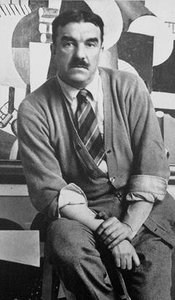
1881 - 1955 , フランス

Discover the profound intersection of geometry and emotion in Cubist Expressionism. Explore art history through our expert analysis of modern masters and find museum-quality, hand-painted oil reproductions of iconic masterpieces for your collection.


最新の美術ニュース、限定オファー、そしてインテリアのアイデアをいち早くお届けします。
お客様のプロジェクトについてお聞かせください。当社の美術専門家が、お客様に合わせた3つのパーソナライズされた芸術提案をご提供いたします。
あなたにぴったりの3作品を無料で厳選いたします


 プレビュー
プレビュー
 シェアする
シェアする シェアする
シェアする
 詳細を見る
詳細を見る

 ダウンロード
 似ている作品
 X線調査
X線調査 スライドショー

 詳細を見る
詳細を見る









 ガラスオプションは、110cm未満のサイズでのみご利用いただけます。


