


x
迅速な制作と多彩な仕上げオプションを備えた、ミュージアムクオリティのジークレーまたはキャンバスプリント。 ( 手描きの絵画を購入 画像を購入)





























作品のオリジナル比率に合わせた、当店の規定サイズからお選びください。

特定のフレームやスペースに合わせて、ご自身でサイズを指定することも可能です。選択されたサイズが元の画像の比率と一致しない場合、作品をトリミングするか、鏡面反射または単色での塗りつぶしによって画像を拡張いたします。制作を開始する前に、ご確認用のデジタルモックアップをお送りいたします。
画面上のプレビューには、実際のトリミングや拡張は反映されませんのでご注意ください。最終的な構図を正確に確認できるのは、モックアップのみとなります。
カスタムサイズも承っておりますが、元の比率を維持するためには、あらかじめ用意されたリストからサイズを選択することをお勧めいたします。

headiii
複製画のサイズ
In the somber landscape of post-war British art, few images command as much psychological gravity as Francis Bacon’s "Head II." Created in 1948, this masterpiece serves as a haunting window into the fractured psyche of a world reeling from global conflict. The painting is far more than a mere portrait; it is an exploration of the raw, unvarnably human condition, capturing the profound sense of existential angst that defined the mid-20th century. Through a fragmented and distorted visage, Bacon invites the viewer to confront the inescapable reality of mortality and the turbulent emotions that lie beneath the surface of our composed exteriors.
The subject matter of this work is deeply rooted in personal history, as Bacon meticulously crafted the portrait from photographs of Jessie Lightfoot, his beloved nanny who had passed away tragically young. This connection to loss imbues the piece with an inherent vulnerability. The head is presented in a profile that feels both intimate and confrontational, forcing an encounter with a gaze that seems to pierce through the veil of the canvas. It is a moment frozen in time—a study of a soul caught in the throes of intense psychological struggle.
Bacon’s stylistic approach, often categorized as “nightmarish realism,” rejects the comforts of idealized beauty in favor of a more profound, unsettling truth. Drawing subtle inspiration from the Cubist explorations of Picasso, Bacon deconstructs the human form to expose hidden anxieties. The technique employed here is nothing short of extraordinary; by layering thick, viscous oil paint with tempera on hardboard, he achieves an almost sculptural quality. This deliberate use of texture creates a physical presence that mirrors the painting's emotional weight.
The artist’s hand is visible in every aggressive impasto stroke, where ridges of pigment rise from the surface to create a sense of chaotic movement and disintegration. Yet, amidst this perceived turbulence, there is a paradoxical sense of control. The thin washes of color provide a depth that allows the darker, more dramatic elements to emerge with striking clarity. For collectors and interior designers, this interplay of light and shadow offers a sophisticated focal point, capable of anchoring a room with its intense, brooding energy and commanding presence.
Every element of "Head II" contributes to its larger symbolic narrative of fragmentation. The dark, void-like background serves to isolate the subject, stripping away all worldly context and leaving only the raw essence of the individual. This isolation emphasizes the theme of loneliness and the solitary nature of human suffering. The distorted features—the way the face seems to melt or shift—act as metaphors for the instability of identity in a post-war era where old certainitudes had been irrevocably shattered.
For those seeking to incorporate a piece of art history into their personal spaces, a high-quality reproduction of this work offers more than just decoration; it offers an intellectual and emotional dialogue. The painting’s ability to evoke complex emotions—from discomfort to profound empathy—makes it a captivating addition to any curated collection. It stands as a testament to the power of art to transform pain into something enduring, beautiful, and undeniably vital.

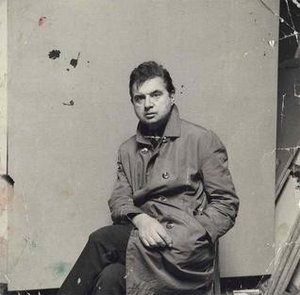
1909 - 1992 , アイルランド

Explore the profound history of Surrealist Expressionism. Discover how artists blended dream logic with raw emotion to navigate post-war trauma through masterful, evocative imagery and psychological depth.

Explore the profound history of sculpture, from classical realism to modern abstraction. Discover the mastery of form, texture, and medium through an expert art-historical lens designed for discerning collectors and enthusiasts.


最新の美術ニュース、限定オファー、そしてインテリアのアイデアをいち早くお届けします。
お客様のプロジェクトについてお聞かせください。当社の美術専門家が、お客様に合わせた3つのパーソナライズされた芸術提案をご提供いたします。
あなたにぴったりの3作品を無料で厳選いたします


 プレビュー
プレビュー
 シェアする
シェアする シェアする
シェアする
 詳細を見る
詳細を見る

 ダウンロード
 似ている作品
 X線調査
X線調査 スライドショー

 詳細を見る
詳細を見る









 ガラスオプションは、110cm未満のサイズでのみご利用いただけます。


