x
 キャンバスにアクリル絵具ウォールアートExpressionism
 1991モダン
 198.0 x 148.0 cm
迅速な制作と多彩な仕上げオプションを備えた、ミュージアムクオリティのジークレーまたはキャンバスプリント。 ( 手描きの絵画を購入 画像を購入)





























作品のオリジナル比率に合わせた、当店の規定サイズからお選びください。

特定のフレームやスペースに合わせて、ご自身でサイズを指定することも可能です。選択されたサイズが元の画像の比率と一致しない場合、作品をトリミングするか、鏡面反射または単色での塗りつぶしによって画像を拡張いたします。制作を開始する前に、ご確認用のデジタルモックアップをお送りいたします。
画面上のプレビューには、実際のトリミングや拡張は反映されませんのでご注意ください。最終的な構図を正確に確認できるのは、モックアップのみとなります。
カスタムサイズも承っておりますが、元の比率を維持するためには、あらかじめ用意されたリストからサイズを選択することをお勧めいたします。

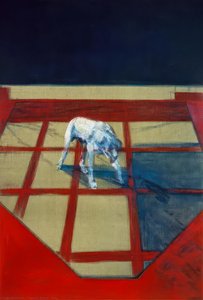
Study for a Portrait, March 1991
複製画のサイズ
Francis Bacon's Study for a Portrait, March 1991 stands as an arresting emblem of existential angst and psychological exploration within the canon of modern art. Executed in pastel on canvas in 1991, this piece resides at the National Galleries of Scotland and embodies Bacon’s singular ability to distill profound emotion into deceptively simple visual forms.
The painting depicts a solitary figure positioned before an open doorway—a motif recurrent throughout Bacon's oeuvre. This seemingly unassuming scene is imbued with dynamism through the deliberate use of perspective, drawing the viewer’s gaze toward an unseen horizon. The man’s stance exudes vulnerability, mirroring the internal turmoil that characterizes his artistic vision. Notably, a mirror reflects his image, amplifying the sense of isolation and creating a visual dialogue between the figure and its reflection—a technique characteristic of Surrealism and reflecting Bacon's preoccupation with duality.
Bacon’s masterful manipulation of pastel lends the artwork an ethereal quality. Unlike oil paint, pastel offers unparalleled subtlety in tonal gradation, allowing for nuanced rendering of textures and hues. The predominant shades of orange and red dominate the palette—colors often associated with passion, danger, and impending doom—creating a warm yet unsettling atmosphere. Bacon’s meticulous layering of pastel pigments contributes to the painting's textural richness and enhances its expressive power.
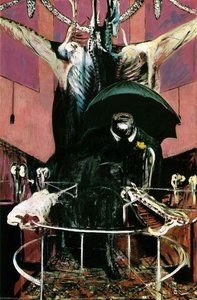
Bacon’s artistic trajectory was profoundly shaped by movements like Expressionism and Surrealism, which interrogated the boundaries between reality and imagination. Picasso’s fractured forms served as a crucial precedent for Bacon’s stylistic innovations—a deliberate rejection of traditional representational conventions in favor of conveying psychological states. The painting's context within the broader landscape of 20th-century Western art underscores Bacon’s commitment to confronting uncomfortable truths about human existence.
Beyond its formal elements, Study for a Portrait, March 1991 speaks to themes of vulnerability, uncertainty, and the inescapable confrontation with mortality. The doorway symbolizes transition—the passage from one state of being to another—while the mirror underscores the fragmented nature of identity. Bacon’s aim was not merely to depict what he saw but to convey what he felt—a visceral response to the human condition that continues to resonate powerfully with viewers today.
For those seeking a deeper understanding of Francis Bacon's artistic legacy, consider examining his other works and delving into biographical accounts. The National Galleries of Scotland’s website offers valuable resources for researching this seminal artist: Study for a Portrait March 1991. Additionally, exploring the broader context of Surrealism and Expressionism will illuminate Bacon’s artistic influences and contribute to a richer appreciation of his oeuvre.
To discover more reproductions of Francis Bacon's paintings or similar pieces inspired by his style, visit Study for a Portrait, March 1991 and explore the extensive collection on Most-Famous-Paintings.
Finally, gain insights into the artistic movements of the early 20th century by consulting 20th-century Western painting on Wikipedia.

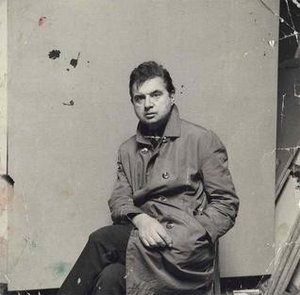
1909 - 1992 , アイルランド
Explore the ethereal beauty of pastel art. From Renaissance origins to Impressionist mastery, discover the history, technique, and velvety textures that define this luminous medium in our expert guide for art connoisseurs.


最新の美術ニュース、限定オファー、そしてインテリアのアイデアをいち早くお届けします。
お客様のプロジェクトについてお聞かせください。当社の美術専門家が、お客様に合わせた3つのパーソナライズされた芸術提案をご提供いたします。
あなたにぴったりの3作品を無料で厳選いたします


 プレビュー
プレビュー
 シェアする
シェアする シェアする
シェアする
 詳細を見る
詳細を見る

 ダウンロード
 似ている作品
 X線調査
X線調査 スライドショー
 詳細を見る
詳細を見る









 ガラスオプションは、110cm未満のサイズでのみご利用いただけます。