x
 Oil On CanvasWallArtExpressionism
 1954Modern
 160.0 x 124.0 cm
迅速な制作と多彩な仕上げオプションを備えた、ミュージアムクオリティのジークレーまたはキャンバスプリント。 ( 手描きの絵画を購入 画像を購入)





























作品のオリジナル比率に合わせた、当店の規定サイズからお選びください。

特定のフレームやスペースに合わせて、ご自身でサイズを指定することも可能です。選択されたサイズが元の画像の比率と一致しない場合、作品をトリミングするか、鏡面反射または単色での塗りつぶしによって画像を拡張いたします。制作を開始する前に、ご確認用のデジタルモックアップをお送りいたします。
画面上のプレビューには、実際のトリミングや拡張は反映されませんのでご注意ください。最終的な構図を正確に確認できるのは、モックアップのみとなります。
カスタムサイズも承っておりますが、元の比率を維持するためには、あらかじめ用意されたリストからサイズを選択することをお勧めいたします。

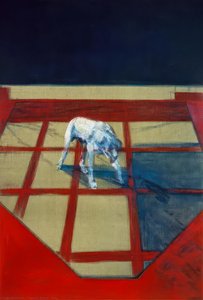
Study for a Running Dog
複製画のサイズ
Francis Bacon’s "Study for a Running Dog" (1954) is not merely a depiction of an animal in motion; it's a profound exploration of anxiety, primal fear, and the unsettling nature of existence. Painted entirely in muted shades of white, charcoal, and steel gray, this vertical composition presents a slim, almost ghostly dog fleeing across a stark, undefined space. The blurred, thinly painted figure suggests rapid movement, yet the lack of detail contributes to an overall sense of unease and disorientation. This work stands as a powerful example of Bacon's signature expressionistic style, echoing themes found in his more famous depictions of human figures.
"Study for a Running Dog" exemplifies Francis Bacon’s unique brand of expressionism. Departing from traditional representational art, Bacon distorted forms and employed a limited palette to evoke raw emotion rather than precise realism. The composition is dominated by diagonal lines that create a sense of instability and movement, while the dark, gray background amplifies the feeling of isolation. The technique appears to be oil paint applied with visible brushstrokes, creating a rough, uneven texture indicative of impasto layers. This tactile surface adds another layer of emotional intensity to the work. The flattened perspective further enhances the sense of confinement, drawing the viewer into the dog’s unsettling flight.
Created in 1954, "Study for a Running Dog" reflects the post-war anxieties prevalent in mid-20th century Europe. The aftermath of World War II left many grappling with existential questions and a sense of disillusionment. Bacon’s work often mirrored this mood, exploring themes of isolation, mortality, and the fragility of human existence. While not directly referencing specific historical events, the painting's unsettling atmosphere resonates with the broader cultural climate of the time. Early influences on Bacon included Pablo Picasso, whose cubist explorations of form undoubtedly informed Bacon’s own distorted representations. However, Bacon moved beyond mere abstraction to create works that were deeply personal and emotionally charged.
While Bacon resisted explicit symbolic interpretations of his work, "Study for a Running Dog" evokes powerful emotions in the viewer. The running dog itself can be interpreted as a symbol of vulnerability, fear, or perhaps even a desperate attempt to escape an unseen threat. Its ghostly appearance and blurred form suggest a sense of impermanence and fragility. The stark background and limited color palette contribute to a feeling of claustrophobia and isolation. The absence of any clear narrative allows the viewer to project their own anxieties and interpretations onto the image, making it a deeply personal and resonant experience. Ultimately, the painting conveys a sense of raw emotion and psychological tension, characteristic of Bacon’s artistic vision.

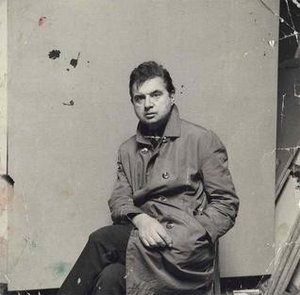
1909 - 1992 , アイルランド
Explore the profound emotional depth of Lyrical Abstraction. Discover how masters like Raymond Parker used color and form to bridge Impressionism and Abstract Expressionism. Learn about this pivotal movement through our expert-led art history guide.

Explore the profound emotional depth of Color Field painting. Discover the history of mid-century abstraction, from Rothko to Newman, and learn how pure color transforms the viewer's experience through our expert art history guide.

Explore the profound history and emotional depth of Abstract Expressionism. From Jackson Pollock to Mark Rothko, master the nuances of the New York School through our expert art history guide. Discover museum-quality hand-painted reproductions for your collection.

Explore the profound impact of Abstract Expressionism. Discover how post-war artists used gesture and emotion to redefine modern art through Action Painting and the New York School. A definitive guide for students and collectors seeking deep historical context.


最新の美術ニュース、限定オファー、そしてインテリアのアイデアをいち早くお届けします。
お客様のプロジェクトについてお聞かせください。当社の美術専門家が、お客様に合わせた3つのパーソナライズされた芸術提案をご提供いたします。
あなたにぴったりの3作品を無料で厳選いたします


 プレビュー
プレビュー
 シェアする
シェアする シェアする
シェアする
 詳細を見る
詳細を見る

 ダウンロード
 似ている作品
 X線調査
X線調査 スライドショー
 詳細を見る
詳細を見る









 ガラスオプションは、110cm未満のサイズでのみご利用いただけます。