


x
 AcrylicWallArtWisconsin Landscape Painting
 1985
1985 225.0 x 117.0 cm
 オーストラリア国立美術館
迅速な制作と多彩な仕上げオプションを備えた、ミュージアムクオリティのジークレーまたはキャンバスプリント。 ( 手描き画への切り替え 画像に切り替え)





























作品のオリジナル比率に合わせた、当店の規定サイズからお選びください。

特定のフレームやスペースに合わせて、ご自身でサイズを指定することも可能です。選択されたサイズが元の画像の比率と一致しない場合、作品をトリミングするか、鏡面反射または単色での塗りつぶしによって画像を拡張いたします。制作を開始する前に、ご確認用のデジタルモックアップをお送りいたします。
画面上のプレビューには、実際のトリミングや拡張は反映されませんのでご注意ください。最終的な構図を正確に確認できるのは、モックアップのみとなります。
カスタムサイズも承っておりますが、元の比率を維持するためには、あらかじめ用意されたリストからサイズを選択することをお勧めいたします。

Teapot
複製画のサイズ

In the quiet, rolling landscapes of early twentieth-century Wisconsin, the name Frank S. Bauer evokes a sense of profound connection to the American heartland. Born on July 9, 1856, in the rural township of Leroy, Bauer’s life was a tapestry woven from the threads of agricultural toil, civic duty, and an enduring artistic sensitivity. While history often remembers him through his political contributions as a member of the Wisconsin Assembly and his service as a postmaster, his true essence is captured in the silent, evocative beauty of his landscapes. His journey from a farm boy in Dodge County to a respected figure in state politics provided him with a unique vantage point, allowing him to observe the shifting rhythms of rural life with both the intimacy of a resident and the detached eye of an observer.
Bauer’s artistic development was deeply rooted in the very soil he inhabited. Though formal academic training remains undocumented, his mastery of the Wisconsin landscape suggests a profound, self-taught communion with nature. The undulating hills, the tranquil waterways, and the seasonal transformations of the Midwestern plains served as his primary instructors. His work often reflects a deep-seated reverence for the agricultural heritage of his home state, portraying farmhouses nestled within vast fields of grain or corn not merely as structures, and scenery, but as symbols of stability and rootedness. There is an inherent stillness in his compositions that invites the viewer to pause and reflect on the enduring spirit of the American pastoral.
The life of Frank S. Bauer was characterized by a remarkable duality. As a businessman and politician, he navigated the complexities of civic leadership, serving in the Wisconsin Assembly from 1905 to 1909 and later holding positions such as Biron Village President and school board clerk. This period of intense public engagement coincided with his creative output, creating a fascinating tension between the structured world of governance and the fluid, emotive world of landscape painting. One can imagine that the political currents he navigated—the debates over local infrastructure and the management of community resources—deepened his appreciation for the land's quiet permanence.
His artistic style, while difficult to categorize within rigid movements, leans toward a gentle impressionism that prioritizes atmosphere and light. He favored muted palettes that mirrored the soft, often overcast skies of the Wisconsin countryside, creating works that resonate with a sense of nostalgia and peace. His paintings do not shout; rather, they whisper of a bygone era of simplicity. Through his brush, the mundane elements of rural life—a simple teapot, a distant barn, or a sun-dappled field—are elevated to subjects of quiet dignity. This ability to find the extraordinary within the ordinary remains his most significant artistic achievement.
Though Bauer’s oeuvre is relatively sparse in the historical record, its significance lies in its role as a visual chronicle of a specific American epoch. His work serves as a bridge between the rugged frontier spirit of the nineteenth century and the more settled, organized society of the early twentieth century. To look upon a Bauer landscape is to witness the transition of the Wisconsin landscape from wild territory to a cultivated, cherished home. He captured the soul of a region during a time of great change, preserving the serenity of the farmstead even as the world around it began to accelerate.
Ultimately, the legacy of Frank S. Bauer is one of harmony. He achieved a rare balance between the responsibilities of a citizen and the passions of an artist. His life reminds us that true observation requires both presence and perspective—the ability to participate in the life of a community while remaining deeply attuned to the subtle, shifting beauty of the natural world. Today, his works stand as poignant reminders of the quiet strength found in the American landscape and the enduring power of a life lived in service to both people and place.

1856 - 1936 , United States of America
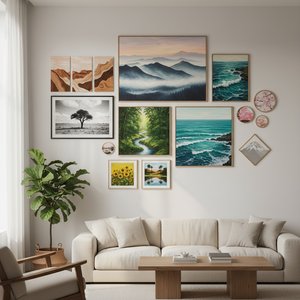
Journey through 10 breathtaking landscape paintings by Monet, Van Gogh & more! Explore iconic artworks, artistic techniques & find inspiration for your home decor. Museum-quality reproductions at Most-Famous-Paintings.com. Discover all masterpieces on Most-Famous-Paintings.com

Explore the rich history of landscape art with Most-Famous-Paintings. Discover renowned artists, movements like Impressionism & Romanticism, and expert guidance for collecting timeless pieces. Find your perfect serene escape today!

Explore the rich history of landscape art with Most-Famous-Paintings. Discover renowned artists, movements like Impressionism & tonalism, and expert guidance for collecting timeless pieces. Find your perfect serene escape today!
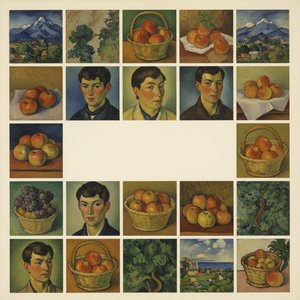
ポール・セザンヌの至高の25選。ポスト印象派を代表する画家、セザンヌの傑作と革新的な技法を紐解きます。Most-Famous-Paintingsで高品質な複製画やインテリアアートを見つけ、芸術の世界をご自宅に。今すぐコレクションをご覧ください。

Journey into the heart of Impressionism! Explore 10 masterpieces by Monet, Renoir & Degas that revolutionized landscape art. Discover their stories, techniques & find museum-quality reproductions to elevate your home decor on Most-Famous-Paintings.com.


最新の美術ニュース、限定オファー、そしてインテリアのアイデアをいち早くお届けします。
お客様のプロジェクトについてお聞かせください。当社の美術専門家が、お客様に合わせた3つのパーソナライズされた芸術提案をご提供いたします。
あなたにぴったりの3作品を無料で厳選いたします


 プレビュー
プレビュー
 シェアする
シェアする シェアする
シェアする
 詳細を見る
詳細を見る

 ダウンロード
 似ている作品
 X線調査
X線調査 スライドショー
 詳細を見る
詳細を見る









 ガラスオプションは、110cm未満のサイズでのみご利用いただけます。


