x
 メイソナイトMexican Folk Modernism
 1951
1951 23.0 x 31.0 cm
 ロサンゼルス・カウンティ・ミュージアム・オブ・アート
迅速な制作と多彩な仕上げオプションを備えた、ミュージアムクオリティのジークレーまたはキャンバスプリント。 ( 手描きの絵画を購入 画像を購入)





























作品のオリジナル比率に合わせた、当店の規定サイズからお選びください。

特定のフレームやスペースに合わせて、ご自身でサイズを指定することも可能です。選択されたサイズが元の画像の比率と一致しない場合、作品をトリミングするか、鏡面反射または単色での塗りつぶしによって画像を拡張いたします。制作を開始する前に、ご確認用のデジタルモックアップをお送りいたします。
画面上のプレビューには、実際のトリミングや拡張は反映されませんのでご注意ください。最終的な構図を正確に確認できるのは、モックアップのみとなります。
カスタムサイズも承っておりますが、元の比率を維持するためには、あらかじめ用意されたリストからサイズを選択することをお勧めいたします。

Weeping Coconuts or Coconut Tears
複製画のサイズ
Frida Kahlo's "Weeping Coconuts or Coconut Tears," painted in 1951, is not merely a still life; it’s a raw, intensely personal exploration of grief, resilience, and the duality of Mexican identity. Created during a period marked by increasing physical pain and emotional turmoil – following her devastating bus accident – the painting offers a glimpse into Kahlo's uniquely introspective world. Measuring a modest 23 x 31 cm on masonite, this work immediately draws the eye with its vibrant palette and seemingly chaotic arrangement of fruits, yet beneath the surface lies a carefully constructed narrative brimming with symbolic weight.
At first glance, the composition appears joyful – an exuberant display of apples, oranges, and coconuts. These aren’t simply decorative elements; they are imbued with potent symbolism deeply rooted in Mexican culture. The apples, traditionally associated with fertility and new beginnings, sit prominently in the lower left corner, perhaps representing a yearning for restoration or a desire to overcome past hardships. Oranges, symbols of warmth, vitality, and prosperity, are scattered throughout the scene, suggesting an attempt to cultivate happiness amidst suffering. However, it’s the coconuts that hold the painting's most poignant message. Their drooping posture, almost as if weeping, directly references the title and speaks volumes about Kahlo’s internal state – a quiet sorrow layered beneath a vibrant exterior.
Kahlo's style in "Weeping Coconuts" is a fascinating blend of traditional Mexican folk art with the burgeoning modernist movement. The use of bold, flat colors and simplified forms echoes the vibrant imagery found in indigenous textiles and murals. Yet, unlike purely decorative works, Kahlo’s approach is deeply personal and emotionally charged. There's a deliberate primitivism at play – an emphasis on direct representation and symbolic resonance rather than meticulous detail. This simplification allows the viewer to connect with the painting on a visceral level, bypassing intellectual analysis and tapping into raw emotion. The masonite support itself contributes to this effect, lending a textured, almost tactile quality to the work.
"Weeping Coconuts" was created during a time of significant personal upheaval for Kahlo. Following her accident in 1925, she endured numerous surgeries and chronic pain, profoundly impacting her life and art. The painting reflects this ongoing struggle with physical limitations and emotional vulnerability. It’s important to note that the work is housed at the Los Angeles County Museum of Art (LACMA), a testament to its enduring significance within the broader context of Kahlo's oeuvre and the global appreciation for her unique artistic vision. Her exploration of identity, pain, and resilience continues to resonate deeply with audiences today, making "Weeping Coconuts" not just a beautiful painting but a powerful window into the soul of one of the 20th century’s most compelling artists.
Most-Famous-Paintings offers meticulously crafted hand-painted reproductions of “Weeping Coconuts or Coconut Tears,” allowing you to experience the raw emotion and vibrant beauty of this iconic work in stunning detail. Each reproduction is created by skilled artists using archival quality materials, ensuring a faithful representation of Kahlo’s original vision for generations to come.

1907 - 1954 , メキシコ

Explore the life & art of Frida Kahlo – a journey through surrealism, identity, pain, and resilience. Discover her autobiographical masterpieces & lasting feminist legacy with Most-Famous-Paintings.

Embark on a profound journey through Frida Kahlo's most iconic masterpieces. Discover the deep symbolism, Mexican heritage, and resilient spirit behind her legendary works in this expert art-historical exploration designed for true art enthusiasts.
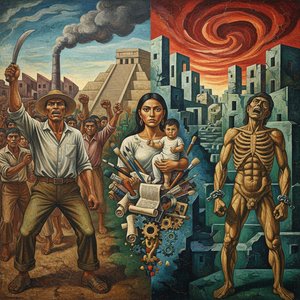
Explore the powerful world of Mexican muralism! Discover Diego Rivera, Frida Kahlo & Orozco's revolutionary art, social impact & lasting legacy. Expert insights & high-quality reproductions at Most-Famous-Paintings.

Embark on a visual journey through the vibrant colors and profound symbolism of iconic Mexican art. Explore the emotional depth of Frida Kahlo and other masters through our expert cultural analysis and premium hand-painted reproductions.

Explore the revolutionary murals of Diego Rivera and his profound impact on Mexican art & identity. Discover his techniques, iconic works like 'Man at the Crossroads,' and lasting legacy with Most-Famous-Paintings.


最新の美術ニュース、限定オファー、そしてインテリアのアイデアをいち早くお届けします。
お客様のプロジェクトについてお聞かせください。当社の美術専門家が、お客様に合わせた3つのパーソナライズされた芸術提案をご提供いたします。
あなたにぴったりの3作品を無料で厳選いたします


 プレビュー
プレビュー
 シェアする
シェアする シェアする
シェアする
 詳細を見る
詳細を見る

 ダウンロード
 似ている作品
 X線調査
X線調査 スライドショー
 詳細を見る
詳細を見る









 ガラスオプションは、110cm未満のサイズでのみご利用いただけます。