作品を販売する
ウィッシュリスト ショッピングカート Cart
x
プレビュープレビュー ARで試着ARで試着 プリントを購入 プリントを購入画像を購入 画像を購入 シェアするシェアする
詳細を見る詳細を見る お気に入りに追加 お気に入りに追加 ダウンロードダウンロード 似ている作品似ている作品 X線調査X線調査 スライドショースライドショー

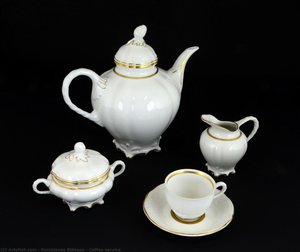
Chocolate Maker

Admire 'Chocolate Maker' by Fürstenberg Porcelain Company (1920). A stunning black & white reproduction of this exquisite Meissen piece. Elevate your art collection today!

Fürstenberg Porcelain Company is renowned for its exquisite Rococo and Neoclassical porcelain creations, including iconic tablewares and figurines; discover the timeless elegance of their artistry.

手描き油彩複製画

当社のアーティストが、お客様のご希望のサイズと額縁に合わせて、キャンバスに手描きで制作する油彩画です。 (プリントを購入 プリントを購入画像を購入 画像を購入)

P118B $10
P118H $10
P118W $10
P438Z $10
P508JH $12
P508YH $12
P805H $10
P805Z $10
P919BZ $10
P919G $10
P919XJ $10
P959ZH $10
P968JZ $12
W106C $8
W218G $10
W218JH $8
W218Y $10
W307PJ $10
W316G $10
W316PJ $8
W316Y $10
W398PJ $8
W4111J $10
W500HY $15
W500JH $15
W692G $12
W849H $8
W940BG $15
W953PJ $8

Standard
custom
CM
INCH

作品のオリジナル比率に合わせた、当店の規定サイズからお選びください。

高さ

特定のフレームやスペースに合わせて、ご希望のサイズをご入力いただけます。選択されたサイズが元の画像の比率と異なる場合、アートワークをトリミングするか、手描きで要素を追加して絵画を拡張いたします。デジタルモックアップ を制作し、制作開始前にご確認(承認)をいただきます。
画面上のプレビューは、実際のトリミングや拡張を正確に反映しているものではありません。最終的な構図は、モックアップによってのみ正確にご確認いただけます。
カスタムサイズもご利用いただけますが、元の比率を維持するためには、あらかじめ用意されたリストからサイズを選択することをお勧めいたします。

カスタマイズの例:顔をお客様の写真に置き換える、ペットを追加する(例:猫を犬に変更)、背景に隠れたメッセージを入れる、背景の風景や要素を変更するなど。
ご注文後、Most-Famous-Paintings.com チームより詳細な指示をお送りするとともに、仕上がりイメージ(モックアップ)をご提供いたします。

世界中への配送()は、通常の5週間ではなく、3〜4週間でお届けいたします。(20 8月)。品質には一切妥協いたしません。

why_choose_icon
世界中へ無料エクスプレス配送
why_choose_icon
高品質なリネンキャンバス
why_choose_icon
配送時完全保険付
why_choose_icon
関税・輸入税の払い戻し保証
why_choose_icon
忠実な色彩再現保証
why_choose_icon
60日間返品保証(製造上の欠陥のみ)
why_choose_icon
100% 全額返金保証
why_choose_icon
まとめ買い割引のご案内

合計金額

$ 272

reproduction

Chocolate Maker

複製技法

複製画のサイズ

-

合計金額

$ 272


アーティストの略歴

The Enduring Legacy of Fürstenberg Porcelain

Fürstenberg Porcelain, a name synonymous with German artistry and refined elegance, boasts a history deeply interwoven with the ambitions of royalty and the pursuit of porcelain perfection. Founded in 1747 by Duke Carl I of Brunswick-Wolfenbüttel, the manufactory wasn’t merely intended as a source of luxury goods; it was conceived as a statement – a demonstration of the duchy's cultural prowess and economic independence. The Duke, captivated by the delicate beauty of porcelain emanating from Meissen, sought to replicate its success within his own domain. He understood that mastering this complex craft would not only elevate Brunswick-Wolfenbüttel’s status but also provide a valuable source of revenue. The initial years were fraught with challenges, as the secrets of hard-paste porcelain remained closely guarded by their Saxon rivals. However, through diligent experimentation and the recruitment of skilled artisans – notably from Meissen itself – Fürstenberg steadily began to unlock the mysteries of its creation. The early production focused on imitating existing models, but quickly evolved into a distinctive style characterized by rococo flourishes, intricate gilding, and a palette favoring soft blues, greens, and pinks.

Early Innovations and Rococo Splendor

The first decades of Fürstenberg’s existence were marked by an intense focus on technical innovation. Johann Gottlieb Kirchner, the factory's early director, played a pivotal role in establishing the manufactory’s reputation for quality. He successfully developed a unique porcelain paste using local materials, allowing Fürstenberg to move beyond simple imitation and forge its own path. This period saw the creation of exquisite tablewares – plates, cups, saucers, and elaborate serving pieces – adorned with scenes inspired by mythology, pastoral life, and the fashionable rococo aesthetic. The factory’s artisans excelled in producing finely painted figures, often depicting allegorical subjects or charming genre scenes. A hallmark of Fürstenberg porcelain from this era is its exceptional detail; delicate facial expressions, flowing draperies, and meticulously rendered foliage all speak to the skill and artistry of the craftsmen involved. The courtly demand for these pieces fueled production, establishing a clientele that extended beyond Brunswick-Wolfenbüttel to other European courts. The factory also pioneered innovative forms, such as the *Zwischenring* – an intermediate ring used in the firing process to create exceptionally thin-walled porcelain vessels.

Neoclassical Refinement and Royal Patronage

As tastes shifted towards Neoclassicism in the late 18th century, Fürstenberg adapted with remarkable grace. The rococo’s exuberant curves gave way to cleaner lines, symmetrical compositions, and motifs drawn from classical antiquity. The influence of artists like Johann Heinrich Wilhelm Tischbein, who served as court painter to Duke Ferdinand of Brunswick-Wolfenbüttel, is evident in the porcelain produced during this period. Figures became more stately and dignified, reflecting the ideals of reason and order that characterized the Neoclassical era. The factory continued to receive significant royal patronage, with commissions for elaborate dinner services, decorative vases, and ornamental sculptures. Duke Ferdinand, a keen art collector himself, actively encouraged experimentation and innovation within the manufactory. This led to the development of new techniques, such as *relief fond* – a method of creating raised designs on porcelain surfaces that added depth and texture to the pieces. The factory’s commitment to quality remained unwavering, ensuring that Fürstenberg porcelain continued to be highly sought after by discerning collectors throughout Europe.

The 19th Century: Artistic Diversification

The 19th century witnessed a period of artistic diversification at Fürstenberg. While continuing to produce traditional tablewares and figures, the factory also embraced new styles and techniques. The rise of Romanticism inspired a renewed interest in historical subjects and exotic motifs. Porcelain pieces from this era often depicted scenes from medieval legends, literary works, and distant lands. The factory’s artisans experimented with different glazes and colors, creating a wider range of aesthetic effects. A significant development was the introduction of *porcelain painting on biscuit* – a technique that allowed for greater detail and realism in figure decoration. The factory also began to produce architectural porcelain elements, such as panels and tiles, used in interior design projects. This expansion into new areas helped Fürstenberg maintain its relevance in a rapidly changing art world. The influence of the Art Nouveau movement can be seen in some later 19th-century pieces, with their flowing lines and organic forms.

Fürstenberg Today: A Continuing Tradition

Today, Fürstenberg Porcelain continues to thrive as one of Germany’s leading porcelain manufacturers. The factory remains committed to its tradition of handcraftsmanship, employing skilled artisans who carry on the techniques developed over centuries. While embracing modern design aesthetics, Fürstenberg also honors its rich heritage by producing reproductions of classic models and continuing to create pieces in traditional styles. The factory's current collection includes a wide range of products – from elegant tablewares and decorative objects to contemporary art pieces. Fürstenberg porcelain is still highly prized by collectors worldwide, not only for its beauty and craftsmanship but also for its historical significance. The factory’s enduring legacy is a testament to the vision of Duke Carl I, who recognized the power of art to elevate culture and enhance prestige. The meticulous attention to detail, the exquisite painting, and the innovative techniques employed by Fürstenberg artisans continue to set it apart as a true masterpiece of German porcelain.

基本情報

  • Artistic Movement Or Style: Porcelain Manufacturing
  • Date Of Death: Living
  • Full Name: Fürstenberg Porcelain Company