A Portrait of Faith and Dignity: Examining George Romney’s “Thomas Greene”
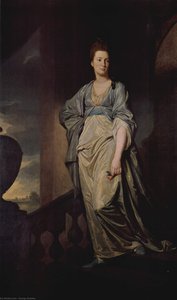
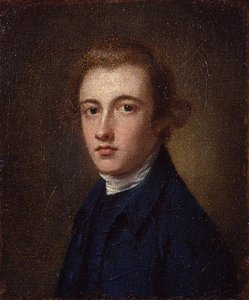
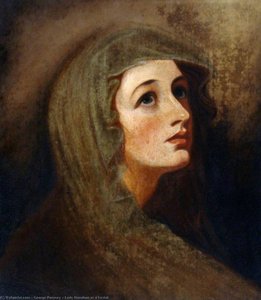
George Romney's "Thomas Greene," painted circa 1762-1763, stands as a quintessential example of Georgian portraiture—a genre defined by its meticulous attention to detail and its profound engagement with social status. Executed in monochrome, primarily black and white, the painting captures a solemn moment frozen in time, presenting us with an arresting depiction of Reverend Thomas Greene, a prominent clergyman of his era. The image itself is deceptively simple: a woman dressed in white, her head enveloped by a veil—likely signifying piety and devotion—faces the viewer with unwavering gaze. This directness is characteristic of Romney’s style, prioritizing psychological realism over mere likeness.
The composition skillfully employs chiaroscuro – the dramatic interplay between light and shadow – a technique heavily influenced by Rembrandt and Caravaggio, demonstrating Romney's mastery of artistic innovation. Light illuminates Greene’s face and upper torso, highlighting his features with remarkable precision, while enveloping the background in darkness, creating an atmosphere of contemplative seriousness. Two figures flank Greene on either side—one positioned to the left, the other on the right—adding depth to the scene and subtly hinting at a larger narrative context. Their attire suggests they are also members of the clergy or perhaps individuals associated with religious institutions, reinforcing the painting’s thematic core.
Beyond its technical brilliance, “Thomas Greene” resonates deeply with the cultural values of Georgian England. Portraiture during this period served not merely as commemoration but as a powerful tool for asserting social identity and demonstrating wealth and influence. Romney's depiction reflects the importance placed upon moral virtue and religious observance—values considered paramount in shaping the character of gentlemen and upholding societal standards. The woman’s gaze, unflinching and dignified, embodies resilience and inner strength – qualities admired within Georgian society.
The painting’s monochrome palette contributes significantly to its emotional impact. Absence of color amplifies the solemnity of the scene, forcing the viewer to focus on subtle nuances of expression and gesture. Romney's masterful manipulation of tonal variations conveys a sense of quiet contemplation and profound introspection—inviting us to consider Greene’s inner life alongside his outward appearance. It is this ability to communicate emotion through form alone that elevates “Thomas Greene” beyond mere visual representation, transforming it into an enduring symbol of faith and moral integrity.
- Artist: George Romney
- Date: Circa 1762-1763
- Medium: Oil on Canvas
- Style: Georgian Portraiture
- Technique: Chiaroscuro (Dramatic Light and Shadow)
Further Research: Explore Romney’s broader oeuvre, including his depictions of aristocratic families and landscapes, to gain a deeper understanding of his artistic vision and its influence on British art history. Consider examining similar portraits from the era for comparative analysis.