x


 Acrylic On CanvasWallArtRomanticism
 1799
1799 70.0 x 56.0 cm
 ウォーカー・アート・ギャラリー




























作品のオリジナル比率に合わせた、当店の規定サイズからお選びください。

特定のフレームやスペースに合わせて、ご自身でサイズを指定することも可能です。選択されたサイズが元の画像の比率と一致しない場合、作品をトリミングするか、鏡面反射または単色での塗りつぶしによって画像を拡張いたします。制作を開始する前に、ご確認用のデジタルモックアップをお送りいたします。
画面上のプレビューには、実際のトリミングや拡張は反映されませんのでご注意ください。最終的な構図を正確に確認できるのは、モックアップのみとなります。
カスタムサイズも承っておりますが、元の比率を維持するためには、あらかじめ用意されたリストからサイズを選択することをお勧めいたします。

A Monkey
複製画のサイズ
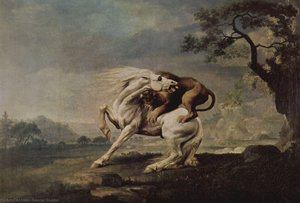
George Stubbs' "A Monkey," painted in 1799, isn’t merely a depiction of an animal; it’s a carefully constructed tableau brimming with layered meaning. The subject itself – a monkey seated upon what appears to be a weathered rock or piece of wood – possesses an almost unnerving stillness. Its head is turned slightly away from the viewer, lending it a contemplative air, as if lost in its own thoughts. The pose, combined with the subtle tension in its muscles and the alert expression around its eyes, suggests a creature both intelligent and wary. This isn’t a playful romp through a jungle; there's an underlying sense of observation, perhaps even judgment, radiating from this primate. The artist masterfully captures a fleeting moment of awareness, inviting us to contemplate the animal’s inner world.
Stubbs was renowned for his unparalleled anatomical accuracy, particularly in his depictions of animals. “A Monkey” exemplifies this skill, showcasing a meticulous attention to detail in rendering the monkey’s fur, musculature, and skeletal structure. This dedication stemmed from his early training as an assistant to a surgeon, Charles Atkinson at York County Hospital, where he dissected horses to understand their anatomy. This scientific rigor is evident in the painting's realistic portrayal of the animal’s form—a hallmark of the burgeoning Romantic movement. The emphasis on observation and detailed representation, rather than idealized beauty, was revolutionary for its time.
The painting reflects a shift away from Neoclassical ideals that prioritized order and restraint towards a celebration of nature's power and complexity – a core tenet of Romanticism.Beyond its anatomical brilliance, “A Monkey” is rich in symbolic potential. The monkey’s grasp of two apples—one held delicately in its hand, the other resting nearby—immediately evokes the biblical story of Adam and Eve. This imagery suggests themes of temptation, knowledge, and perhaps even a critique of humanity's relationship with nature. The shadowed background further reinforces this sense of mystery and foreboding. The artist’s choice to depict the monkey in a contemplative pose, rather than engaging in playful activity, adds another layer of complexity—suggesting an awareness of its own situation and the potential consequences of its actions.
Furthermore, some scholars suggest that the painting may be a commentary on the role of artists and their relationship to nature, mirroring the themes explored in Jean Siméon Chardin’s “The Monkey Painter,” which depicts a monkey holding a paintbrush.“A Monkey” stands as a testament to George Stubbs' extraordinary talent and his pivotal role in shaping the course of British art. Its meticulous detail, evocative atmosphere, and symbolic depth continue to captivate viewers today. Reproductions of this iconic painting offer an opportunity to experience firsthand the artistry and intellectual curiosity that defined one of England’s greatest painters. It is a piece that invites repeated viewing, revealing new nuances with each encounter—a true masterpiece of anatomical precision and Romantic vision.


1724 - 1806 , イギリス

Explore the rich history of animal painting across cultures & movements. Discover iconic artists, symbolism, collecting trends & expert art consultation at Most-Famous-Paintings.com.

Explore the life & work of Ramsay Richard Reinagle (1775-1862), a key figure in British sporting art and animal portraiture. Discover his landscapes, panoramas, and contributions to zoological illustration with Most-Famous-Paintings.

Explore the emotional depth of Romantic landscape painting (18th-19th century). Discover key artists like Friedrich & Cole, and the concepts of the sublime. Expert insights for art lovers & collectors.

Explore the rich history of 18th & 19th-century art! Discover Romanticism, Realism, and iconic masters like Delacroix & Courbet. Expert insights & high-quality reproductions at Most-Famous-Paintings.

ジョルジュ・ブラックの傑作25選。キュビスムを代表する画家、その革新的な色彩と技法に迫ります。名画から知られざる逸品まで、美術史に残る作品群をMost-Famous-Paintings.comで鑑賞。お部屋を彩るアートプリントも多数ご用意。今すぐオンラインでコレクションをご覧ください。


最新の美術ニュース、限定オファー、そしてインテリアのアイデアをいち早くお届けします。
お客様のプロジェクトについてお聞かせください。当社の美術専門家が、お客様に合わせた3つのパーソナライズされた芸術提案をご提供いたします。
あなたにぴったりの3作品を無料で厳選いたします


 手描き複製画を注文する
 シェアする
シェアする シェアする
シェアする
 詳細を見る
詳細を見る

 ダウンロード
 似ている作品
 X線調査
X線調査 スライドショー
 詳細を見る
詳細を見る









 ガラスオプションは、110cm未満のサイズでのみご利用いただけます。