


x
 Acrylic On CanvasWallArtCubist Analytical
 1913Modern
 62.0 x 46.0 cm
迅速な制作と多彩な仕上げオプションを備えた、ミュージアムクオリティのジークレーまたはキャンバスプリント。 ( 手描きの絵画を購入 画像を購入)





























作品のオリジナル比率に合わせた、当店の規定サイズからお選びください。

特定のフレームやスペースに合わせて、ご自身でサイズを指定することも可能です。選択されたサイズが元の画像の比率と一致しない場合、作品をトリミングするか、鏡面反射または単色での塗りつぶしによって画像を拡張いたします。制作を開始する前に、ご確認用のデジタルモックアップをお送りいたします。
画面上のプレビューには、実際のトリミングや拡張は反映されませんのでご注意ください。最終的な構図を正確に確認できるのは、モックアップのみとなります。
カスタムサイズも承っておりますが、元の比率を維持するためには、あらかじめ用意されたリストからサイズを選択することをお勧めいたします。

Aria de Bach
複製画のサイズ
This evocative black and white drawing, titled “Aria de Bach,” offers a poignant glimpse into the artistic explorations of Georges Braque during 1913. Measuring 62 x 46 cm, this seemingly simple composition—a guitar encircled by instruments of musical mastery—holds within it the complex tensions and groundbreaking innovations that defined Braque’s pivotal role in the birth of Cubism. The image isn't merely a depiction of musical instruments; it’s a carefully constructed fragment, an attempt to capture not just their appearance but also the *essence* of music itself – its structure, its emotion, its very spirit.
Created in 1913, “Aria de Bach” sits squarely within the burgeoning movement of Cubism, a style pioneered by Braque and Pablo Picasso. At this time, traditional representational art was undergoing a radical transformation. Artists like Braque were rejecting single viewpoints and instead sought to depict objects from multiple perspectives simultaneously. This is evident in the fragmented forms of the instruments, presented as if seen through various angles at once – a technique central to Cubism’s challenge to conventional perception. The drawing's stark black and white palette further emphasizes this fractured reality, stripping away any illusion of depth or traditional perspective.
The choice of musical instruments is profoundly symbolic. Braque was deeply interested in the underlying structures of music, believing that its formal elements – rhythm, harmony, and structure – could be translated into visual form. The guitar, a cornerstone of Western music, represents this connection directly. However, the deconstructed presentation of the instrument—its fragmented outlines and multiple viewpoints—reflects Braque’s core Cubist strategy: to dismantle traditional forms and rebuild them according to his own conceptual understanding. This isn't simply a drawing of instruments; it’s an *interpretation* of music through the lens of Cubism.
Born in Argenteuil, France, in 1882, Georges Braque’s early life was shaped by his family's profession as house painters and decorators. This experience instilled a deep understanding of form, color, and material – skills that would later inform his revolutionary approach to painting. “Aria de Bach” exemplifies this fusion of technical skill with artistic vision. It represents a crucial moment in Braque’s development, solidifying his position as one of the most important figures in early 20th-century art. This drawing is not just a beautiful object; it's a tangible link to a pivotal period in art history – a testament to Braque’s daring experimentation and enduring legacy.

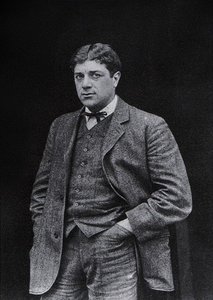
1882 - 1963 , フランス

Explore the profound artistry of black and white photography. From the chemistry of gelatin silver to the chiaroscuro of the Old Masters, discover how monochrome captures the eternal essence of light, form, and emotion for the discerning art collector.

Explore the profound history and technical mastery of woodcut relief printing. From ancient origins to German Expressionism, discover how artists use the subtractive process to create iconic works. A definitive guide for art students, collectors, and historians.


最新の美術ニュース、限定オファー、そしてインテリアのアイデアをいち早くお届けします。
お客様のプロジェクトについてお聞かせください。当社の美術専門家が、お客様に合わせた3つのパーソナライズされた芸術提案をご提供いたします。
あなたにぴったりの3作品を無料で厳選いたします


 プレビュー
プレビュー
 シェアする
シェアする シェアする
シェアする
 詳細を見る
詳細を見る

 ダウンロード
 似ている作品
 X線調査
X線調査 スライドショー
 詳細を見る
詳細を見る









 ガラスオプションは、110cm未満のサイズでのみご利用いただけます。


