


x
 Oil On CanvasWallArtAnalytical Cubism
 1909Modern
 34.0 x 38.0 cm




























作品のオリジナル比率に合わせた、当店の規定サイズからお選びください。

特定のフレームやスペースに合わせて、ご希望のサイズをご入力いただけます。選択されたサイズが元の画像の比率と異なる場合、アートワークをトリミングするか、手描きで要素を追加して絵画を拡張いたします。デジタルモックアップ を制作し、制作開始前にご確認(承認)をいただきます。
画面上のプレビューは、実際のトリミングや拡張を正確に反映しているものではありません。最終的な構図は、モックアップによってのみ正確にご確認いただけます。
カスタムサイズもご利用いただけますが、元の比率を維持するためには、あらかじめ用意されたリストからサイズを選択することをお勧めいたします。

Glass on a Table
複製画のサイズ
To gaze upon Georges Braque’s 1909 masterpiece, Glass on a Table, is to witness the very moment the foundations of Western representation began to splinter. This is not merely a depiction of an everyday object; it is a profound intellectual inquiry captured in oil on canvas. At its core, the painting presents a scene of shattered glass resting upon a surface, yet the fragmentation serves a much higher purpose than mere destruction. Through this work, Braque invites us into the dawn of Analytical Cubism, a revolutionary period where the artist sought to dismantle the singular viewpoint that had dominated art since the Renaissance. Instead of offering a window into a stable reality, Braque presents a visual puzzle, where light and form are deconstructed into interlocking planes, challenging the viewer to reconstruct the scene within their own mind.
The composition is a masterclass in the tension between chaos and order. While the subject matter—broken shards of glass scattered across a table—suggests a sense of disarray, there is an underlying structural rigor that speaks to Braque’s technical brilliance. The artist utilizes simultaneous perspectives, a hallmark of his collaboration with Pablo Picasso, to present multiple facets of the glass and the surrounding space at once. This technique creates a rhythmic movement across the 34 x 38 cm canvas, as the eye travels from one translucent edge to another, navigating a landscape of geometric intersections. The presence of a subtle, unexpected element—a bird perched amidst the shards—adds a layer of poetic mystery, grounding the abstract fragmentation with a touch of organic life that softens the analytical coldness of the geometry.
The emotional resonance of Glass on a Table is deeply tied to Braque’s meticulous approach to texture and tone. Eschewing the vibrant, almost aggressive palettes of his earlier Fauvist influences, Braque turned toward a more restrained, cerebral aesthetic. He employed a sophisticated layering technique known as grisaille, applying thin, delicate washes of grey pigment to establish a foundational architecture of light and shadow. This method allowed him to build complex contours that mimic the tactile quality of the glass itself. One can almost feel the sharp edges of the shards and the smooth, cold surface of the table through the subtle interplay of light reflecting off the painted planes.
For the discerning collector or interior designer, this painting offers a sophisticated balance of intellectual depth and aesthetic harmony. The muted tones and monochromatic elegance make it an incredibly versatile piece for modern environments, providing a focal point that commands attention without overwhelming a room's color palette. It serves as a conversation starter, embodying the transition from the observable world to the conceptual one. Owning a high-quality reproduction of this work means bringing into one's space not just a beautiful object, but a piece of art history—a tangible fragment of the revolution that redefined how humanity perceives reality.

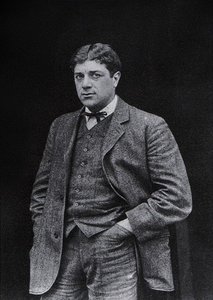
1882 - 1963 , フランス

Explore the revolutionary world of Cubism. Discover how masters Pablo Picasso and Georges Braque dismantled reality through geometric abstraction to redefine modern art history.


最新の美術ニュース、限定オファー、そしてインテリアのアイデアをいち早くお届けします。
お客様のプロジェクトについてお聞かせください。当社の美術専門家が、お客様に合わせた3つのパーソナライズされた芸術提案をご提供いたします。
あなたにぴったりの3作品を無料で厳選いたします


 プレビュー
プレビュー
 プリントを購入
 シェアする
シェアする シェアする
シェアする
 詳細を見る
詳細を見る

 ダウンロード
 似ている作品
 X線調査
X線調査 スライドショー
 詳細を見る
詳細を見る









 ガラスオプションは、110cm未満のサイズでのみご利用いただけます。


